


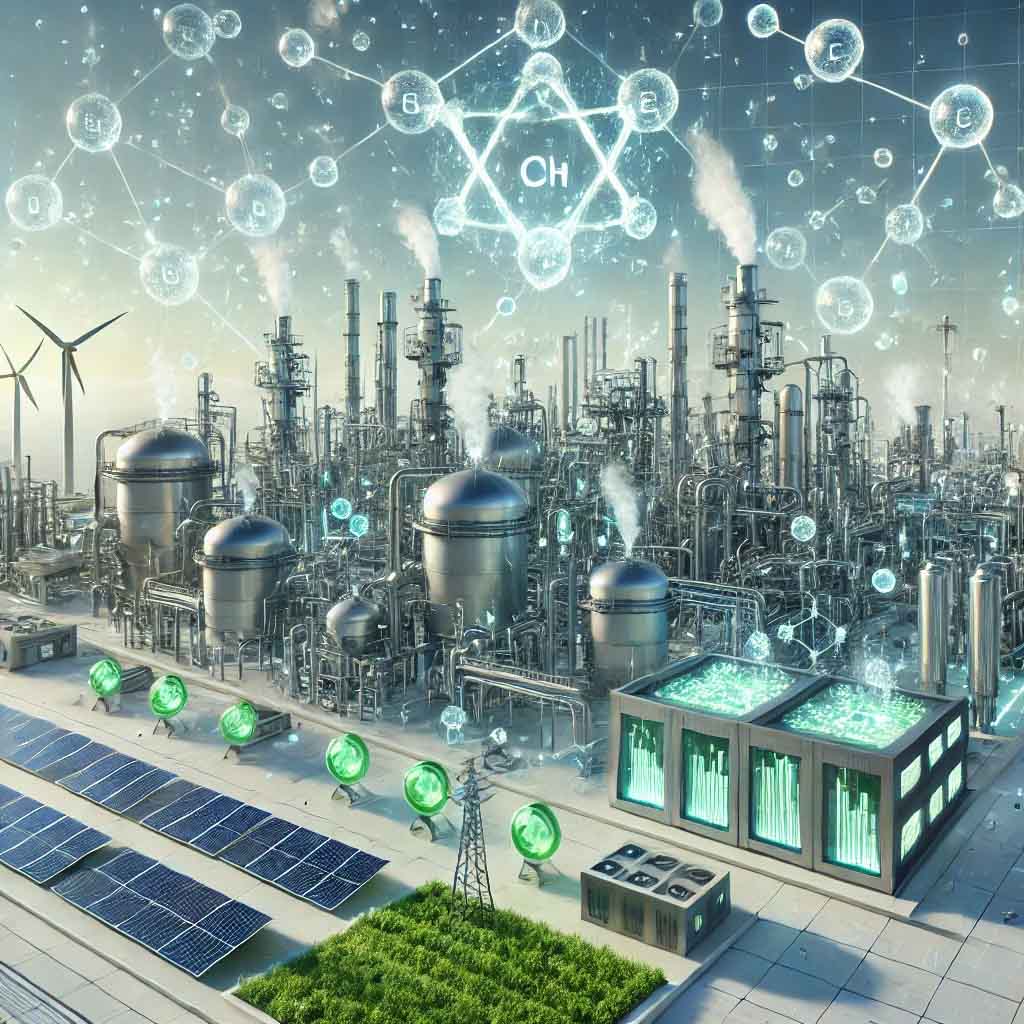
Reducing Emissions by Converting Ethanol to Ethylene is an innovative approach that aligns with the growing need for sustainable industrial practices. Traditional ethylene production relies heavily on petroleum-based feedstocks, contributing to environmental pollution and greenhouse gas emissions. However, converting ethanol, a renewable resource, into ethylene presents a cleaner, more eco-friendly alternative. This process not only reduces the carbon footprint of ethylene production but also supports the utilization of bio-based resources. In this article, we explore the potential of this method in reducing emissions, its technical process, and the advantages it offers in promoting a more sustainable future.
Click to use Silverigroup personal shopper services
Table of Contents
ToggleWhat is Converting Ethanol to Ethylene?
Converting ethanol to ethylene is a chemical process that transforms ethanol, a renewable biofuel, into ethylene, a key industrial compound widely used in the production of plastics, synthetic rubber, and other chemicals. The conversion occurs through a dehydration reaction, where ethanol molecules lose water and are transformed into ethylene gas. Traditionally, ethylene has been derived from petroleum-based feedstocks, which are energy-intensive and contribute significantly to greenhouse gas emissions. By using ethanol, which is produced from renewable sources such as corn or sugarcane, the process offers a more sustainable alternative, reducing the carbon footprint associated with ethylene production. This conversion not only promotes the use of biofuels but also supports the growing demand for cleaner industrial practices. It represents an important step towards greener chemical production while helping to reduce reliance on fossil fuels and mitigate environmental impacts.
Click to buy citric acid from Silvairgroup
| Aspect | Details |
|---|---|
| Raw Material | Ethanol (a renewable biofuel) |
| End Product | Ethylene (used in plastic, synthetic rubber production) |
| Process | Dehydration reaction (ethanol loses water to form ethylene) |
| Traditional Feedstock | Petroleum-based hydrocarbons |
| Environmental Impact | Reduces greenhouse gas emissions compared to petroleum |
| Sustainability | Ethanol is derived from renewable sources (e.g., corn, sugarcane) |
| Industrial Applications | Plastics, chemicals, synthetic fibers, and more |
| Carbon Footprint | Lower carbon footprint when using ethanol as feedstock |
Ethanol Conversion: A Sustainable Solution for Greenhouse Gas Emissions
Converting ethanol to ethylene offers a more sustainable and environmentally friendly alternative to traditional fossil-fuel-based methods of production. Here are key points explaining its impact on greenhouse gas emissions:
- Renewable Feedstock: Ethanol, derived from renewable sources such as corn and sugarcane, replaces fossil fuels in ethylene production, reducing reliance on petroleum-based feedstocks.
- Lower Carbon Emissions: The ethanol-to-ethylene process produces significantly fewer carbon emissions compared to traditional petroleum-based ethylene production methods, helping to combat climate change.
- Energy Efficiency: Ethanol conversion is more energy-efficient than conventional methods, further reducing the overall environmental impact of ethylene production.
- Circular Carbon Economy: Using ethanol from bio-based sources closes the loop in the carbon cycle, as the carbon dioxide released during production can be offset by the CO2 absorbed by plants used to grow ethanol feedstocks.
- Sustainable Chemical Production: This process contributes to the overall shift toward sustainable and green industrial practices, promoting cleaner, greener production methods in the chemical industry.
Click to buy Beluga Fresh Frozen from Silverigroup
By utilizing ethanol in the production of ethylene, we can achieve a significant reduction in greenhouse gas emissions and take an important step towards a more sustainable and eco-friendly industrial future.

Steps in Converting Ethanol to Ethylene
The conversion of ethanol to ethylene involves a well-defined process that transforms ethanol into one of the most widely used chemicals in various industries. Here are the key steps in this conversion:
-
Ethanol Dehydration: The first step is to remove water molecules from ethanol. This is achieved through a process called dehydration, typically using a catalyst, often aluminum oxide (Al₂O₃) or silica-alumina. In this step, ethanol (C₂H₅OH) is heated, and water molecules (H₂O) are removed, forming an intermediate compound, ethene (C₂H₄).
-
Catalytic Conversion: Ethanol undergoes a catalytic reaction under high heat, usually around 300-400°C, in the presence of catalysts like phosphoric acid or zeolite catalysts. These catalysts facilitate the breaking of bonds in ethanol to produce ethylene (C₂H₄).
-
Ethanol to Ethylene Reaction: In the dehydration process, the ethanol is broken down into ethylene (C₂H₄) and water (H₂O) in the reaction:
C₂H₅OH → C₂H₄ + H₂O
-
Separation and Purification: The ethylene produced needs to be separated from any by-products (like water) and impurities. This is typically done using distillation or membrane separation to ensure high purity for further industrial use.
-
Final Processing: After purification, ethylene is ready for use in various chemical applications, including the production of plastics, antifreeze, solvents, and other chemicals.
This process helps in reducing the environmental impact by using renewable ethanol as a feedstock, offering a greener alternative to traditional petroleum-based ethylene production methods.
How Converting Ethanol to Ethylene Reduces Carbon Footprint?
Converting ethanol to ethylene helps reduce the carbon footprint by utilizing a renewable feedstock rather than traditional fossil fuels. Ethanol, derived from plants like corn and sugarcane, absorbs carbon dioxide from the atmosphere during growth. When converted into ethylene, a crucial chemical used in many industrial processes, it releases significantly fewer greenhouse gases compared to petroleum-based ethylene production.
Additionally, the conversion process itself is more energy-efficient, further lowering emissions. By replacing fossil fuels with ethanol, industries can significantly reduce their reliance on non-renewable resources, contributing to a circular carbon economy where carbon is reused rather than continuously emitted. This helps combat climate change and promotes sustainable manufacturing practices.
Comparing Traditional Ethylene Production to Ethanol-Based Methods
Traditional ethylene production primarily relies on crude oil and natural gas as feedstocks. The conventional method, known as steam cracking, involves heating hydrocarbons like naphtha or ethane to high temperatures to break down the molecules and produce ethylene. This process is energy-intensive and generates substantial amounts of carbon dioxide and other greenhouse gases, contributing to global warming.
In contrast, ethanol-based ethylene production uses ethanol, a renewable bio-based feedstock derived from plants like corn and sugarcane. The process involves dehydrating ethanol to produce ethylene, and it results in lower carbon emissions compared to steam cracking. The carbon dioxide absorbed by plants during the growth phase of ethanol feedstocks offsets some of the carbon released during the conversion process. This makes ethanol-based production more sustainable and significantly reduces the overall carbon footprint of ethylene production.
While traditional methods of ethylene production contribute to environmental degradation, the ethanol-based approach helps reduce reliance on fossil fuels, making it a cleaner alternative. Ethanol-derived ethylene is considered a key player in advancing a circular economy, where carbon is reused and minimized. Furthermore, ethanol conversion is often more energy-efficient, lowering operating costs and reducing emissions across the entire supply chain. In summary, ethanol-based ethylene production is a much more sustainable and environmentally friendly alternative, offering the potential to reduce both carbon emissions and dependence on non-renewable resources.
Conclusion
In conclusion, converting ethanol to ethylene presents a significant opportunity for reducing emissions and promoting sustainability in chemical production. By using ethanol, a renewable resource, as a feedstock instead of fossil fuels, this process cuts down on the carbon footprint associated with traditional ethylene manufacturing. Additionally, the energy-efficient conversion process and the carbon sequestration benefits of ethanol plants further contribute to lowering overall greenhouse gas emissions. As industries continue to shift towards greener solutions, ethanol-based ethylene production stands out as a crucial step toward a more sustainable and eco-friendly future, reducing reliance on non-renewable resources and minimizing environmental impact.
FAQs
How does ethanol reduce emissions?
Ethanol reduces emissions by serving as a renewable feedstock, which absorbs carbon dioxide during plant growth. When converted to ethylene, the process releases fewer greenhouse gases compared to traditional petroleum-based methods, contributing to a lower carbon footprint.
How can you convert ethanol to ethylene?
Ethanol is converted into ethylene through a dehydration process. This involves removing a water molecule from ethanol, typically by heating it in the presence of a catalyst, such as phosphoric acid or alumina, resulting in the formation of ethylene gas.
What is the conversion rate of ethanol to ethylene?
The conversion rate of ethanol to ethylene typically ranges between 90% and 95%, depending on the specific conditions, catalyst used, and process efficiency. This high yield ensures that a significant portion of the ethanol is successfully converted into ethylene.
How to dehydrate ethanol to ethylene?
Ethanol is dehydrated to ethylene by heating it in the presence of a suitable catalyst, usually phosphoric acid or alumina, at high temperatures (around 300°C to 400°C). The heat causes the ethanol molecules to lose water, leaving behind ethylene.
How is ethanol produced into ethylene?
Ethanol is converted into ethylene through a dehydration reaction. By applying heat to ethanol in the presence of a catalyst, such as alumina, water is removed, and ethylene is produced as the primary output of the reaction.
What is the catalyst for ethanol to ethylene?
The catalysts commonly used in the ethanol-to-ethylene conversion process are phosphoric acid and alumina. These catalysts promote the removal of water from ethanol, facilitating the formation of ethylene.