


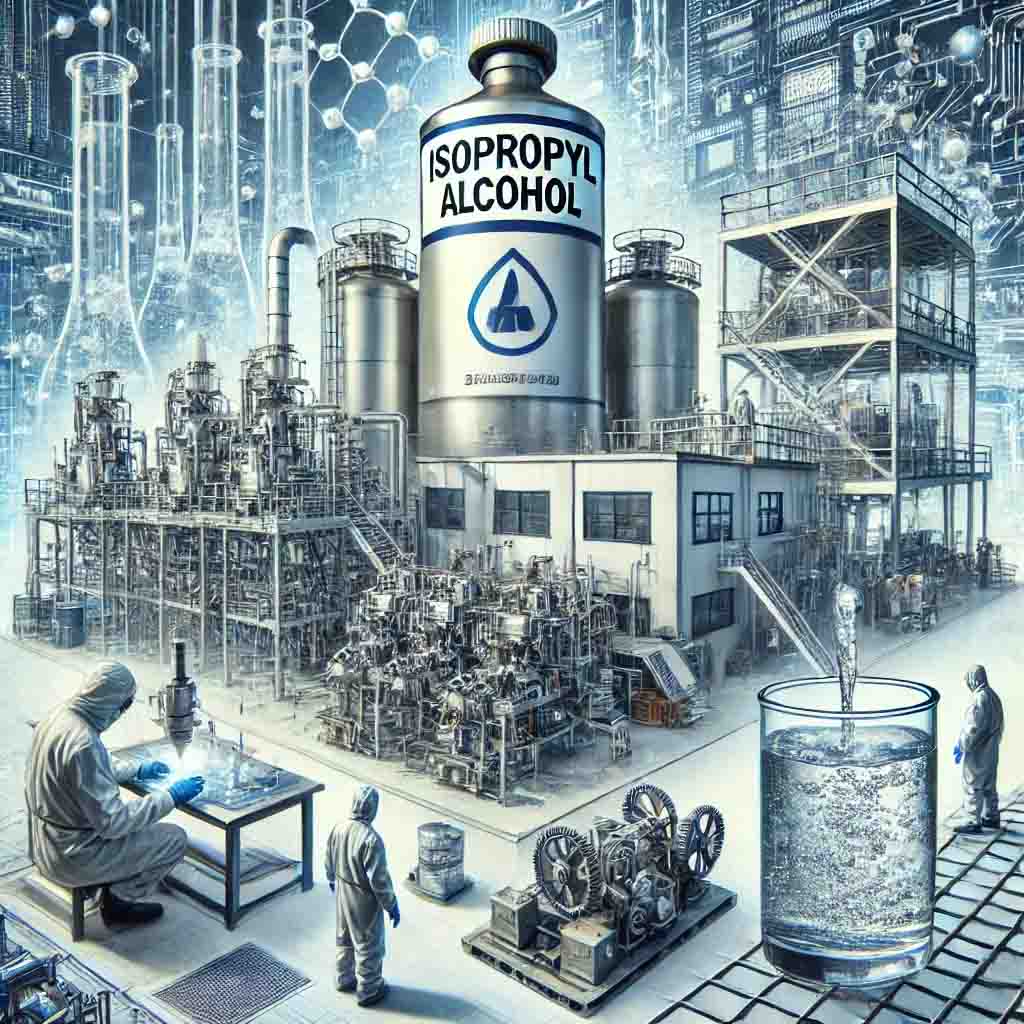
Isopropyl alcohol (IPA), often referred to as rubbing alcohol, is far more than just a household antiseptic. While commonly recognized as a disinfectant, the industrial uses of Isopropyl alcohol extend far beyond cleaning. In manufacturing environments, IPA is valued for its exceptional ability to dissolve oils, resins, and greases, making it an essential solvent in processes that demand high precision. Its rapid evaporation and minimal residue also make it a preferred choice for cleaning sensitive equipment and electronics, where precision is paramount. This article explores the diverse industrial applications of Isopropyl alcohol, demonstrating how this versatile compound supports everything from electronics assembly to pharmaceutical production. Whether in maintenance, production, or quality control, IPA proves to be an irreplaceable asset across a variety of industries.
Click to use Silverigroup personal shopper services
What is Isopropyl Alcohol?
Isopropyl alcohol (IPA), also known as isopropanol or rubbing alcohol, is a colorless, flammable liquid with a distinct odor. It is a simple alcohol compound with the chemical formula C3H8O, often used in various industrial applications due to its versatile properties. IPA is a secondary alcohol, meaning it has two carbon atoms attached to the hydroxyl (–OH) group, making it a highly effective solvent and disinfectant.
Click to buy citric acid from Silvairgroup
| Feature | Description |
|---|---|
| Chemical Name | Isopropyl Alcohol (Isopropanol) |
| Chemical Formula | C₃H₈O |
| Appearance | Colorless, clear liquid |
| Odor | Distinct, sharp odor |
| Boiling Point | 82.6°C (180.7°F) |
| Melting Point | -89°C (-128.2°F) |
| Density | 0.786 g/cm³ |
| Water Solubility | Completely soluble in water |
| Properties | Disinfectant, solvent, flammable |
| Primary Use | Cleaner, disinfectant, solvent in various industries |
| Stability at Different Temperatures | Stable at both low and high temperatures, highly flammable when exposed to heat |

Key Industrial Applications of Isopropyl Alcohol
Isopropyl Alcohol in Cleaning and Degreasing
Isopropyl alcohol (IPA) is widely used in industrial cleaning and degreasing applications due to its powerful solvent properties. It efficiently removes oils, grease, and other contaminants from metal surfaces, machinery, and equipment. IPA is especially valued in industries where precision cleaning is required, such as electronics and automotive manufacturing.
- Electronics Manufacturing: Used to clean circuit boards and electronic components without leaving residues.
- Automotive Industry: Removes grease and oil from parts during the manufacturing process.
- General Maintenance: Cleans tools, machines, and factory surfaces, ensuring optimal performance.
Click to buy Beluga Fresh Frozen from Silverigroup
Isopropyl Alcohol in Electronics Manufacturing
Isopropyl alcohol is essential in electronics manufacturing for cleaning sensitive components and ensuring high-quality assembly. Its ability to evaporate quickly without leaving residue makes it ideal for cleaning circuit boards, removing flux, and preventing contamination of delicate electronics.
- Cleaning Circuit Boards: Removes flux residues and prevents short circuits.
- Surface Preparation: Ensures the surfaces are free of dirt and oils before component assembly.
- Soldering Process: IPA helps in the final cleaning step after soldering to avoid conductive residue buildup.
Isopropyl Alcohol in Pharmaceutical Production
In the pharmaceutical industry, Isopropyl alcohol plays a crucial role in sterilization and disinfection. It is used to clean equipment, surfaces, and instruments, ensuring hygiene and preventing contamination. Its effectiveness in killing germs and bacteria makes it vital in pharmaceutical manufacturing and medical settings.
- Sterilizing Equipment: Ensures that production tools and machines are free of harmful pathogens.
- Surface Disinfection: Used to wipe down surfaces in cleanrooms and pharmaceutical labs.
- Hand Sanitizers: IPA is a key ingredient in hand sanitizing products due to its antimicrobial properties.
Isopropyl Alcohol in Cosmetics and Personal Care Products
Isopropyl alcohol is used in the production of cosmetics and personal care products, where it acts as a solvent and a preservative. It helps in the formulation of products such as perfumes, lotions, and deodorants by dissolving other ingredients and maintaining product stability.
- Solvent in Formulations: Dissolves oils and other compounds in cosmetic formulations.
- Preservative: Helps prevent microbial growth in products like lotions and creams.
- Astringent: Used in some skin care products for its ability to cleanse pores and tighten the skin.
Isopropyl Alcohol in Cleaning Medical Instruments
In the medical field, Isopropyl alcohol is an essential tool for sanitizing medical instruments and equipment. It is used in hospitals and clinics to clean thermometers, scalpels, and other tools to ensure they are free from harmful pathogens, thus reducing the risk of infection.
- Sterilizing Medical Equipment: IPA is effective in disinfecting surgical tools and diagnostic devices.
- Cleaning Thermometers: Ensures that thermometers are free of bacteria and viruses.
- Disinfecting Surfaces: Used in cleaning and sanitizing patient care surfaces in medical facilities.
Sustainability and Benefits of Using Isopropyl Alcohol in Industry
Isopropyl Alcohol (IPA) offers several benefits in industrial applications, particularly due to its versatile cleaning, disinfecting, and degreasing properties. From electronics to healthcare, its efficiency in removing contaminants ensures high-quality manufacturing and maintenance processes. One of IPA’s significant advantages is its ability to evaporate quickly without leaving residue, which is crucial in industries that require precision, such as electronics and pharmaceuticals.
In terms of sustainability, IPA is biodegradable, making it less harmful to the environment compared to many other industrial solvents. However, its environmental impact can still be minimized further with responsible handling and disposal. As industries focus more on sustainability, IPA’s effectiveness as a solvent and cleaner provides an alternative to harsher, more toxic chemicals.
Despite being flammable, IPA can be used safely with proper precautions. Its ability to meet industrial needs while being relatively safer and more sustainable continues to make Isopropyl Alcohol a valuable resource in various sectors.
| Features | Benefits | Sustainability and Environmental Impact |
|---|---|---|
| Industrial Applications | Cleaning, disinfecting, and degreasing | Used in electronics, pharmaceuticals, automotive, and healthcare |
| Functional Properties | Quick evaporation with no residue left behind | Effective in precision industries |
| Environmental Impact | Biodegradable and less harmful to the environment | Requires proper safety measures for use and disposal |
Safety Precautions for Industrial Uses of Isopropyl Alcohol
Isopropyl alcohol (IPA) is widely used in various industrial applications due to its versatility as a solvent, cleaner, and disinfectant. However, its flammability and chemical properties necessitate strict safety precautions to ensure the safety of workers and prevent accidents. Proper handling, storage, and usage protocols are essential to mitigate potential hazards associated with the industrial use of Isopropyl alcohol.
-
Flammability: IPA is highly flammable, so it should be kept away from:
- Open flames
- Sparks
- Heat sources Ensuring that the work environment is well-ventilated is also crucial to prevent the buildup of harmful fumes.
-
Personal Protective Equipment (PPE): When handling IPA, workers should wear:
- Gloves to protect against skin contact
- Goggles to prevent eye exposure
- Lab coats or protective clothing to minimize the risk of skin irritation In case of skin contact or eye splashes, immediate rinsing with water is essential, and medical attention should be sought if necessary.
-
Storage and Handling: Proper storage is critical to prevent accidents:
- Store IPA in well-sealed containers.
- Keep containers away from heat sources and direct sunlight.
- Clearly label containers to avoid mishandling or confusion with other chemicals.
-
Training and Emergency Response: Regular safety training is vital:
- Workers should be familiar with proper handling procedures.
- Emergency response plans for spills, leaks, or exposure incidents should be in place.
- Immediate action can minimize health risks and environmental damage.
By following these safety measures, industries can safely take advantage of the many benefits of Isopropyl alcohol without compromising health or safety.
Alternatives of Isopropyl Alcohol in Industry
While Isopropyl Alcohol (IPA) is widely used in various industrial applications for cleaning, degreasing, and disinfecting, there are several alternatives available that may be more suitable depending on the specific needs of an industry. These alternatives offer similar properties to IPA but might have advantages in terms of safety, environmental impact, or effectiveness in particular applications.
-
Ethanol
Ethanol is another type of alcohol widely used in cleaning and sanitizing applications. It shares many similar properties with IPA, including its ability to kill bacteria and viruses effectively. Ethanol is often favored in applications where lower toxicity is preferred, such as in the food and beverage industry and pharmaceuticals. -
Acetone
Acetone is commonly used in industries requiring powerful solvents for cleaning and degreasing. Acetone is particularly effective at removing oils, resins, and paints. While it evaporates quickly like IPA, it is a stronger solvent and works well in industries like automotive and aerospace. However, acetone is also highly flammable and must be handled with care. -
Green Solvents (e.g., d-Limonene)
For environmentally conscious industries, green solvents like d-limonene or other citrus-based cleaners are gaining popularity. D-limonene, derived from citrus peels, is an effective solvent used for cleaning and degreasing applications. These green solvents are biodegradable, non-toxic, and present less of an environmental hazard compared to IPA and other traditional solvents. -
Hydrogen Peroxide
Hydrogen peroxide is another alternative commonly used for disinfecting and cleaning in industries like healthcare and food processing. It is particularly effective as a sterilizer and offers less toxicity compared to alcohols, making it safer for use in sensitive environments.
Each of these alternatives has its unique benefits, and selecting the right one depends on the specific industrial requirements, safety standards, and environmental considerations.
The Future of Industrial Uses of Isopropyl Alcohol: Trends and Prospects
The future of Isopropyl Alcohol (IPA) in industrial applications appears promising, although it may evolve with advancements in technology and shifts in environmental regulations. Currently, IPA is widely used across various industries, including electronics, pharmaceuticals, automotive, and healthcare, due to its effective cleaning, disinfecting, and solvent properties. As industries continue to prioritize efficiency, cleanliness, and safety, the demand for IPA is expected to remain strong.
However, several trends suggest that the way IPA is used may change. Increasing concerns over environmental sustainability may lead to the development of greener, more eco-friendly alternatives to IPA, especially in cleaning and degreasing applications. While IPA is still favored for its effectiveness, there is growing interest in bio-based solvents and green chemicals that offer similar performance without harmful environmental impacts.
In the electronics and healthcare industries, where precision and sterility are critical, IPA’s role in cleaning and disinfection is likely to continue. However, advancements in automated cleaning systems and more specialized sterilization technologies may introduce new methods for these applications.
Conclusion
In conclusion, Isopropyl Alcohol (IPA) continues to play a crucial role in various industrial applications due to its versatile properties, including its effectiveness as a solvent, cleaner, and disinfectant. From electronics manufacturing to pharmaceuticals, automotive, and healthcare, IPA remains an essential chemical in numerous sectors. However, the growing emphasis on sustainability and environmental impact may drive industries to explore alternative solutions in the future. While IPA is highly effective, the development of greener, bio-based solvents may influence its usage over time.
Despite these emerging alternatives, IPA’s wide range of applications, rapid evaporation, and proven effectiveness in cleaning and sterilization processes ensure that it will likely remain a staple in many industries. As technology evolves and new innovations emerge, the industrial uses of Isopropyl alcohol will continue to adapt, maintaining its relevance and importance in modern industrial practices. By addressing safety concerns and environmental considerations, IPA will likely continue to be integral to industrial operations for the foreseeable future.