

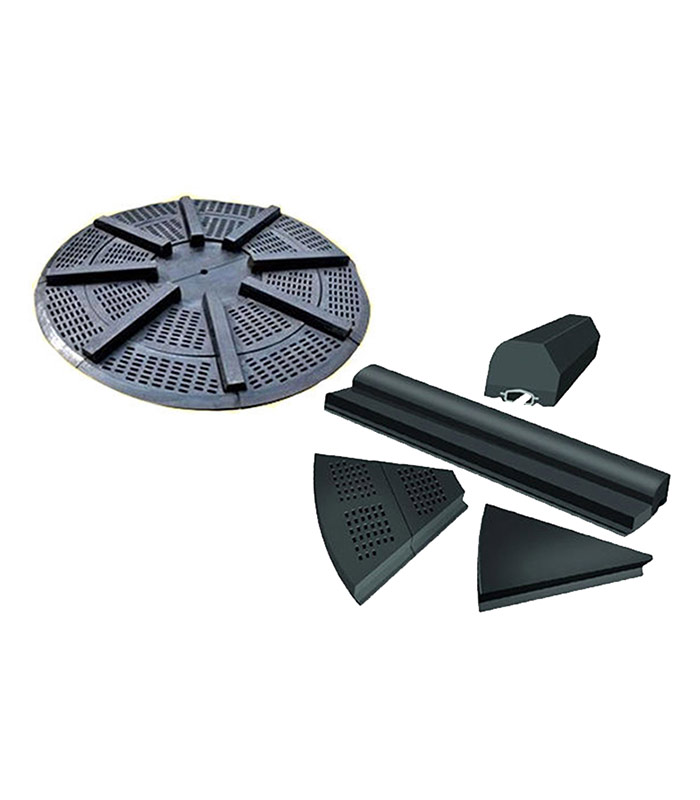
Ball Mill Rubber Liners are essential for protecting mill interiors and enhancing grinding efficiency. Key Ball Mill Liner components include shell plates, head liners, and lifter bars, each playing a crucial role in performance. Various Types of rubber lining for ball mills are available, making selection critical for specific applications. These liners are crafted from high-quality Ball mill liner material, which is designed to withstand the rigors of continuous grinding.
Click to use Silvari group personal shopper services
Understanding the Specification and maintenance of rubber lining for ball mill ensures optimal performance, while different scenarios of rubber lining for ball mills highlight their versatility. Learn how to choose rubber lining for ball mills to ensure durability and efficiency.
As an export and import company, Silvari group can supply top-quality ball mill rubber liners to clients worldwide, ensuring smooth delivery without any hassle regarding transportation and customs.
What are Ball Mill Rubber Liners?
The durability of ball mill rubber linings of ball mills ensures lower maintenance costs, as they need to be replaced less frequently than other linings. Their shock-absorbing properties help prevent structural damage to the mill and minimize downtime during maintenance, resulting in increased productivity. In addition, rubber liners are easier to install and replace due to their light weight, which also contributes to operational efficiency.
These liners also play a crucial role in optimizing the grinding process. By customizing the design and arrangement of the liners, the trajectory of the grinding media can be controlled, resulting in better energy transfer and higher grinding performance. This level of customization allows rubber liners to be used for a range of applications, from coarse grinding to fine grinding.
For industries that value durability and performance, ball mill rubber liners represent a valuable solution. Their ability to provide durable protection for industrial machinery while improving grinding performance makes them a preferred choice for operators looking to maximize the efficiency and lifespan of their mills.
Click to buy citric acid from Silvari group
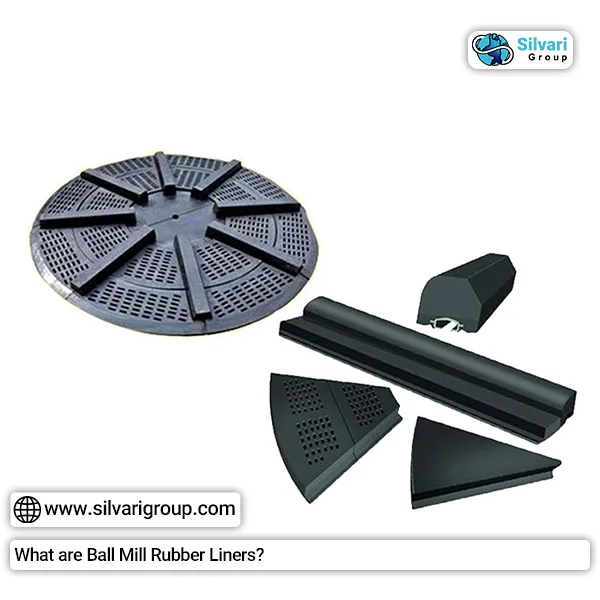
Ball Mill Liner Material
The effectiveness of a ball mill rubber lining depends largely on the quality of the material used. As a rule, these linings are made of high-quality rubber compounds that are designed for the tough requirements of grinding operations. The rubber material is known for its high resistance to abrasion, corrosion and impact and is therefore suitable for tough industrial use.
In addition, the rubber compound is flexible so that it can absorb the impact of grinding media, reducing wear on both the liner and the grinder housing.
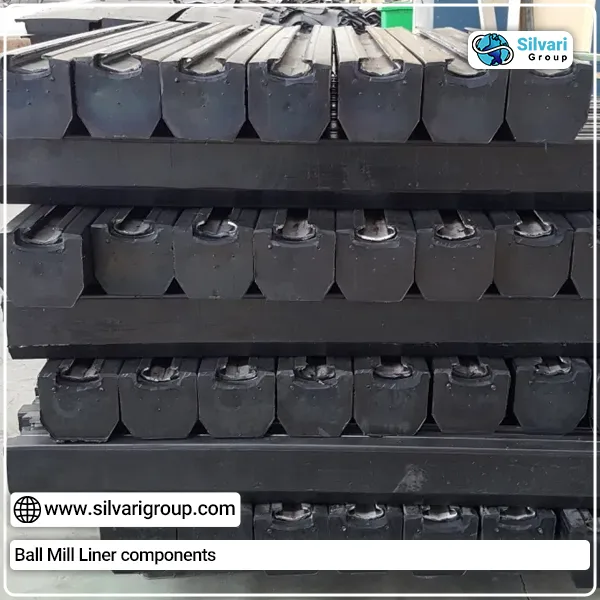
Ball Mill Liner components
A complete rubber liner for ball mills consists of various components designed to protect the different parts of the mill:
- Shell Plates: these are the main protective linings that line the cylindrical inner surface of the mill and protect it from direct impact and wear caused by the grinding process.
- Head liners: They are located at both ends of the mill and protect the head area of the mill. They prevent wear at these critical points and contribute to a longer service life.
- Lever bars: These bars are strategically positioned along the inside walls of the grinder to assist in lifting the grinding media. This facilitates the tumbling of the grinding media and improves the grinding process by ensuring even grinding and energy distribution.
- Discharge grids: Discharge grates are located at the outlet of the grinder and help control the flow of material exiting the grinder. They are crucial for maintaining the correct balance of material in the mill to achieve optimum grinding performance.
Click to buy antique products from Silvari group
Each of these Ball Mill Liner Components plays an important role in protecting the mill and ensuring efficient operation. By working together, they not only protect the structure of the mill, but also contribute to a more effective and consistent grinding process, making them essential for industries that rely on high-performance mills.
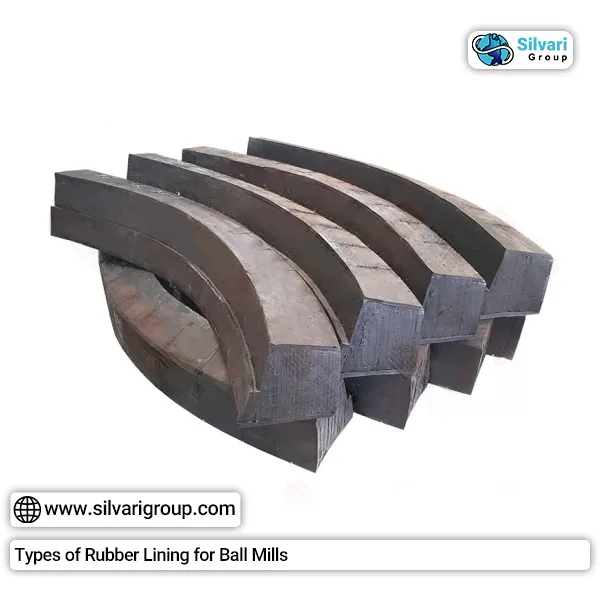
Types of Rubber Lining for Ball Mills
When selecting the right Types of Rubber Lining for ball mills, there are several options, each designed for different grinding conditions and material requirements. Understanding these types will help in selecting the best option to maximize mill efficiency and life. Here are the main types:
Natural rubber liners
These are made from high-quality natural rubber and are known for their elasticity and shock-absorbing properties. They are ideal for milling processes with softer materials where high impact resistance is required. The natural rubber composition helps to reduce noise levels and provides good wear resistance in moderate conditions.
Synthetic rubber liners
These liners are made from synthetic rubber compounds such as neoprene or nitrile and offer increased chemical and heat resistance. They are suitable for environments where they are frequently exposed to chemicals, such as in the chemical industry. Due to their higher resistance, they are a good choice for grinders that work with abrasive materials.
lick to buy industrial products from Silvari group
Wear resistant rubber linings
These are specially formulated rubber linings with additives for increased wear resistance. They are designed for heavy-duty, high-abrasion environments and are therefore suitable for industries such as mining where harder ores and minerals are processed.
Silicone Rubber Liners for Ball Mills
Silicone rubber liners are a specialized type of lining used in ball mills, offering distinct advantages in applications that demand high thermal and chemical resistance. Unlike traditional rubber materials, silicone is known for its ability to maintain flexibility and durability even under extreme conditions, making it a suitable choice for particular milling environments.
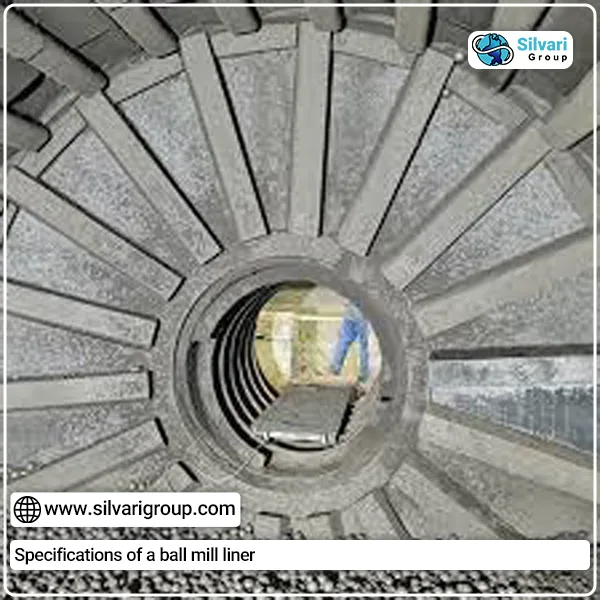
Specifications of a ball mill liner
Specifications of ball mill rubber liners include aspects like thickness, hardness, and the type of rubber used. Typically, rubber liners are made from high-grade natural or synthetic rubber, offering properties such as impact resistance, wear resistance, and flexibility. The thickness of the liner is crucial as it determines the level of protection provided to the mill’s shell. Hardness, measured in Shore A scale, is adjusted to balance durability and shock absorption. Properly specified liners can optimize the movement of grinding media inside the mill, enhancing milling efficiency and reducing energy consumption.
Scenarios of Rubber Lining for Ball Mills
Rubber linings in ball mills are adaptable to a wide range of industrial applications, all of which benefit from the unique properties of rubber as a lining material. In the field of industrial machinery, rubber linings are increasingly favored as they improve the performance and durability of grinding equipment. These linings are particularly effective in environments that are subject to high levels of wear and impact.
By absorbing shock and vibration, rubber linings protect the integrity of the mill, which can lead to lower maintenance costs and reduced downtime. This is vital in industrial environments where continuity of operation is critical to profitability.
In addition to their protective properties, rubber linings also improve the overall efficiency of grinding processes. Their light weight facilitates installation and replacement, further contributing to operational efficiency. The non-stick surface of rubber reduces material build-up in the mill, allowing for a more efficient grinding process and minimizing the need for frequent cleaning.
This is particularly beneficial in Industrial Machinery, where lower noise levels and quieter operation can create a more pleasant working environment. Overall, the integration of rubber linings in industrial ball mills not only increases the performance of the machines, but also supports a more sustainable and efficient production process.
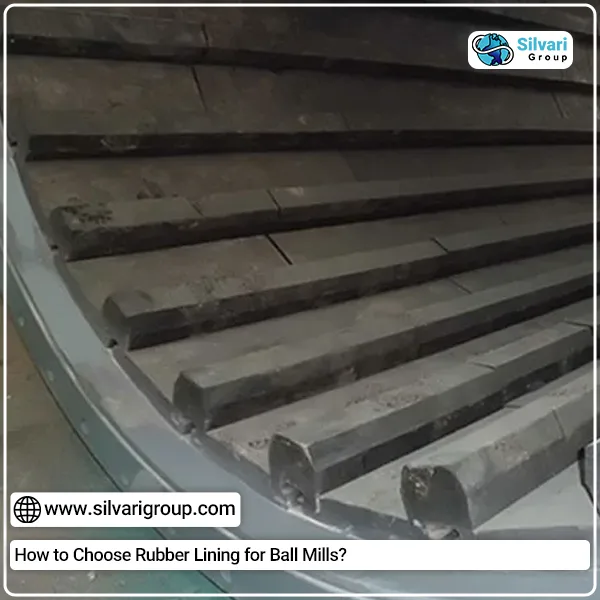
How to Choose Rubber Lining for Ball Mills?
Selecting the right rubber lining for ball mills is crucial for optimizing performance and ensuring durability. Here are some key factors to consider when making your choice:
- Material Composition: Different types of rubber offer varying levels of resistance to wear, heat, and chemicals. Consider the specific materials that will be processed in the mill. For instance, natural rubber is suitable for softer materials, while synthetic rubber options, such as neoprene or nitrile, provide enhanced chemical resistance. If the milling operation involves high temperatures or abrasive materials, opt for wear-resistant rubber liners that can withstand these conditions.
- Thickness and Hardness: The thickness and hardness of the rubber lining play a significant role in its performance. Thicker liners may provide better impact resistance, while the hardness (measured on the Shore A scale) can influence the ability of the lining to absorb shocks. A hardness range of 40-60 Shore A is commonly recommended for ball mill linings, balancing flexibility and durability. Assess the specific requirements of your milling operation to determine the appropriate thickness and hardness.
- Liner Design and Configuration: The design of the rubber lining should complement the specific milling process. Consider factors such as the geometry of the mill, the type of grinding media used, and the desired flow of materials within the mill. Lifter bars and discharge grates integrated into the rubber lining can enhance material movement and grinding efficiency. Consult with manufacturers to explore customized designs that align with your operational needs.
- Environmental Conditions: Evaluate the operating environment of the ball mill, including factors like temperature, humidity, and exposure to corrosive substances. Rubber linings designed for harsh environments may require specialized formulations to withstand these conditions. Ensure that the chosen lining material is compatible with the expected operating environment to avoid premature wear or failure.
Conclusion
In conclusion, ball mill rubber liners are essential for improving the performance and durability of industrial machinery. Understanding what ball mill rubber liners are and their various ball mill liner materials helps in selecting the right solution. The Ball Mill Liner components work together to provide effective protection during grinding operations.
With different types of rubber lining for ball mills, it’s crucial to consider your specific application needs. Proper specification and maintenance of rubber lining for ball mills directly influence their lifespan and efficiency. By examining the scenarios of rubber lining for ball mills, it’s clear that these liners are versatile and applicable across various industries. Finally, knowing how to choose rubber lining for ball mills ensures you make informed decisions for optimal performance.
As an experienced export and import company, we are committed to providing high-quality Ball Mill Rubber Liners to our clients worldwide. With a focus on customer satisfaction, we ensure seamless delivery and take care of transportation and customs processes. Please contact us for more information.
FAQs about Ball Mill Rubber Liners
How do I choose the right rubber lining for my ball mill?
When choosing rubber lining, consider factors such as material composition, thickness, hardness, design, and the specific operational conditions of your milling process.
What type of liner is used in a ball mill?
In ball mills, two main types of liners are commonly used: rubber liners and metal liners (typically made of steel or alloy). Rubber liners are favored for their ability to absorb impact and reduce noise, while metal liners are known for their durability and resistance to wear.
What material is used for ball mill liner plates?
Ball mill liner plates are made from various materials, primarily rubber and metal. Rubber liners are made from natural or synthetic rubber compounds, which provide excellent wear resistance and flexibility. Metal liners, on the other hand, are usually constructed from high-carbon steel or alloy materials designed to withstand significant wear and tear during grinding operations.
Can rubber liners be customized for specific applications?
Yes, many manufacturers offer customized rubber liners tailored to meet the unique requirements of specific milling operations.
Introduction: In the world of heavy industry, where precision, efficiency, and durability are paramount, the role of machinery and mechanical appliances cannot be underestimated. Manufacturers and industrial players constantly seek ways to enhance the performance and longevity of their equipment. Among the many essential components that contribute to this goal, the Ball Mill Rubber Liner stands out as a key player, offering unrivaled protection and efficiency. In this comprehensive product description, we will explore the definition, main features, types, advantages, and specifications of Ball Mill Rubber Liners, while also shedding light on their diverse applications across various industries.Ball mills are indispensable tools in many industrial processes, used for grinding materials into fine powders. These robust machines consist of a cylindrical drum, often made of steel, which rotates on its axis to pulverize a variety of materials. Within this drum, Ball Mill Rubber Liners are strategically installed as protective shields, providing a vital layer between the rotating drum and the materials being ground. These liners are precisely engineered to endure the abrasive and corrosive forces involved in grinding, making them a cornerstone of equipment protection.
Main Features:
- Exceptional Wear Resistance: Ball Mill Rubber Liners are known for their exceptional wear resistance, preventing premature wear and tear of the mill drum. This resistance ensures prolonged equipment life and minimizes maintenance costs.
- Impact Absorption: These liners effectively absorb impacts and shocks, reducing vibrations and noise levels. This feature contributes to a safer and more comfortable working environment in industrial settings.
- Anti-Corrosion Properties: Ball Mill Rubber Liners are highly resistant to corrosion, making them ideal for applications in chemically aggressive environments, such as those in the mining and chemical industries.
- Easy Installation and Replacement: The design of Ball Mill Rubber Liners allows for easy installation and replacement, minimizing downtime and improving operational efficiency.
- Customizable Design: Manufacturers offer a range of customizable options, allowing users to select liners that suit their specific needs, materials, and operating conditions.
End Liners:
These liners are placed at the discharge end of the ball mill and are designed to protect the mill’s outer shell from damage. They also aid in reducing pulp lifters’ wear.
Shell Liners:
Shell liners are designed to protect the inner shell of the ball mill. They come in various configurations, including single wave, double wave, and multi-wave patterns to optimize grinding efficiency.
Grate Liners:
Grate liners are employed in ball mills with a discharge grate, ensuring efficient pulp discharge while preventing oversize material from escaping.
Advantages:
- Enhanced Equipment Longevity: Ball Mill Rubber Liners significantly extend the life of ball mills by protecting the inner drum from abrasion and damage, resulting in reduced maintenance costs.
- Improved Safety: These liners absorb shocks and reduce vibrations, contributing to a safer working environment and minimizing the risk of accidents.
- Increased Operational Efficiency: Reduced downtime for installation and replacement, combined with the ability to tailor liners to specific needs, results in improved operational efficiency and cost-effectiveness.
- Versatile Applications: Ball Mill Rubber Liners can be used in a wide range of industries, from mining and mineral processing to cement, chemical, and pharmaceutical industries.
Specifications:
- Material: High-quality rubber compounds engineered for abrasion resistance and durability.
- Thickness: Variable, depending on the liner type and application.
- Installation: Custom-fit to specific ball mill dimensions and design.
- Attachment: Liners are bolted or clamped onto the mill shell.
Usage in Different Industries:
- Mining and Mineral Processing: Ball Mill Rubber Liners are extensively used in mining operations to protect the mill drum from abrasive ore and rock, ensuring uninterrupted production and minimized downtime.
- Cement Industry: In cement manufacturing, these liners shield the ball mills from the grinding of clinker and other materials, extending the life of these vital machines.
- Chemical and Pharmaceutical Industry: Ball mills are crucial for mixing and blending processes in these industries. The rubber liners protect the mill’s inner shell from corrosive chemicals and abrasive materials.
- Power Generation: Power plants employ ball mills for grinding coal into a fine powder, and rubber liners help maintain the integrity of the mills amidst the abrasive nature of coal.
- Construction Materials: Manufacturers producing construction materials like concrete and ceramics utilize ball mills with rubber liners to ensure product quality and consistency.
- Food Processing: In the food industry, ball mills with rubber liners are used to grind and mix ingredients, ensuring consistent quality in food products.
Category of Product:
Ball Mill Rubber Liners fall under the category of protective and wear-resistant components for industrial machinery. They are essential for maintaining the integrity and performance of ball mills and are a critical part of equipment protection in various heavy industries.
In conclusion, Ball Mill Rubber Liners are the unsung heroes of industrial machinery, providing exceptional wear resistance, impact absorption, and corrosion protection. Their versatility makes them suitable for diverse industries, ensuring the longevity and efficiency of essential grinding equipment. Manufacturers and industrial players looking to enhance equipment protection and operational efficiency should consider the myriad advantages of these high-quality rubber liners, customized to meet their specific needs. As we look to the future of industrial excellence, Ball Mill Rubber Liners will continue to play a pivotal role in safeguarding critical machinery and optimizing productivity