
Wondering how to keep your pool clean and safe for swimming? Using sodium hypochlorite is a great way. But what is sodium hypochlorite and how does it work? Is it safe to use in your pool? Learning to use sodium hypochlorite for pool cleaning is key. It helps keep your pool healthy and safe. By knowing how to use it right, you can enjoy a clean pool for years.
Key Takeaways:
- Use sodium hypochlorite to clean your pool for effective sanitization
- Understand the proper dosage and application of sodium hypochlorite
- Learn about the different forms of sodium hypochlorite available
- Follow safety precautions when handling sodium hypochlorite
- Regularly test your pool water to ensure proper chemical balance
- Use sodium hypochlorite as part of a comprehensive pool maintenance routine
Understanding Sodium Hypochlorite and Its Role in Pool Maintenance
Sodium hypochlorite is a chemical used to keep pool water clean. It kills bacteria, algae, and other harmful microorganisms. This makes it a key part of pool cleaning with sodium hypochlorite. The benefits of sodium hypochlorite for pool maintenance are many. It sanitizes the water, stopping harmful microorganisms from growing. To understand pool cleaning with sodium hypochlorite, we need to know how it works. It releases hypochlorous acid, a strong disinfectant. This acid kills microorganisms in the pool, keeping the water clean and safe for swimming.
What is Sodium Hypochlorite?
Sodium hypochlorite is a chemical with the formula NaOCl. It’s used as a disinfectant, including in pool maintenance. Its effectiveness and low cost make it a favorite among pool owners.
How Sodium Hypochlorite Works in Pool Water
Sodium hypochlorite releases hypochlorous acid, a strong disinfectant. This acid kills bacteria, algae, and other microorganisms. The benefits of sodium hypochlorite for pool maintenance include sanitizing the water and stopping harmful microorganisms from growing.
Different Forms of Sodium Hypochlorite Available
Sodium hypochlorite comes in liquid and granular forms. The choice depends on the pool’s needs. Liquid is used for regular pool maintenance, while granular is for shock treatments.
Essential Safety Precautions When Handling Pool Chemicals
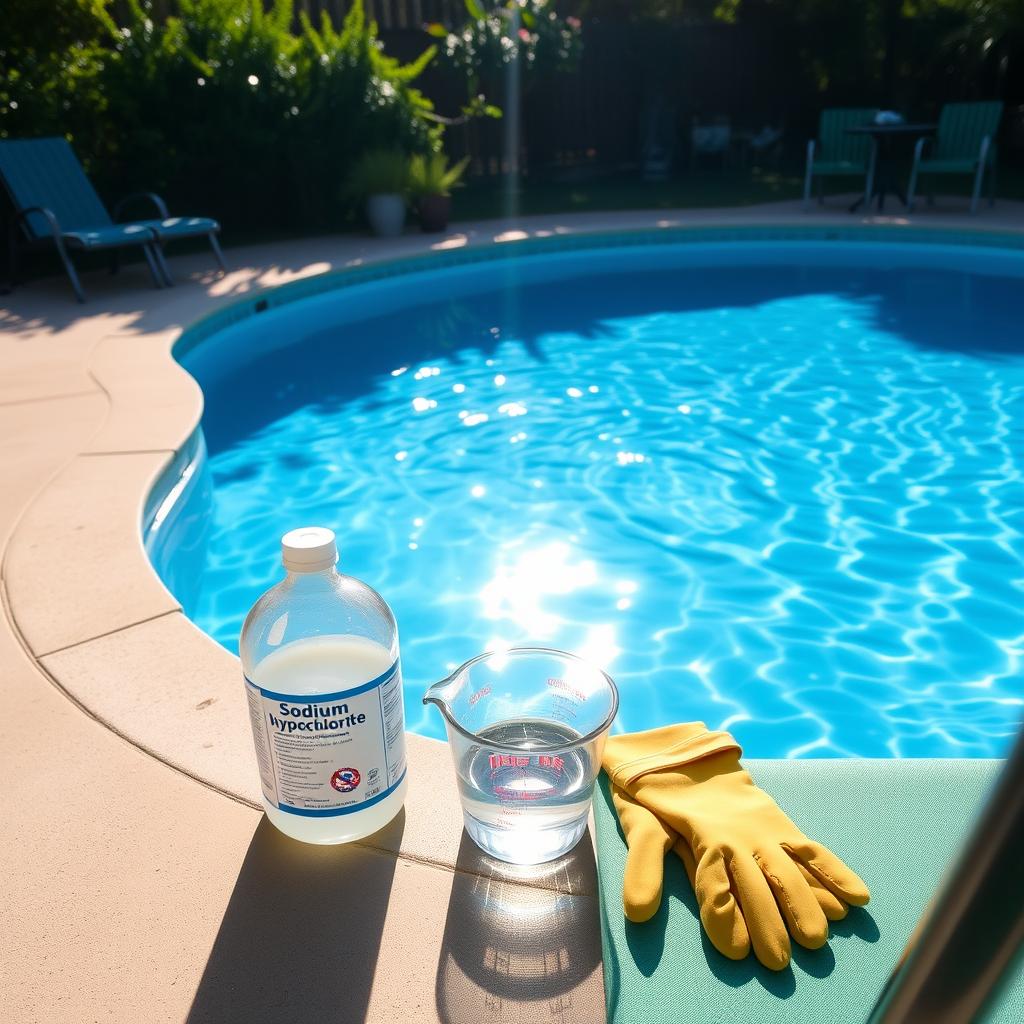
When you’re how to effectively clean your pool with sodium hypochlorite, safety comes first. Working with pool chemicals needs careful safety steps to avoid injuries and exposure. It’s key to follow safety steps to prevent accidents and keep the pool safe for swimming. Pool owners should wear gloves, goggles, and a mask when using sodium hypochlorite and other chemicals. It’s also important to make sure the area is well-ventilated to avoid harmful fumes. Proper storage and disposal of these chemicals are crucial to prevent accidents and protect the environment.
Here are some key safety precautions to keep in mind:
- Always read and follow the instructions on the label
- Wear protective gear, including gloves, goggles, and a mask
- Ensure the area is well-ventilated
- Keep chemicals out of reach of children and pets
By following these safety steps, pool owners can make sure everyone has a safe and healthy swim. Remember, how to effectively clean your pool with sodium hypochlorite is not just about using the right chemicals. It’s also about taking the right safety precautions to avoid accidents and injuries.
| Chemical | Safety Precaution |
|---|---|
| Sodium Hypochlorite | Wear protective gear, ensure good ventilation |
| Other Pool Chemicals | Follow instructions, keep out of reach of children and pets |
Required Tools and Equipment for Pool Cleaning
Having the right tools and equipment is key for pool cleaning. It makes the job easier and keeps the pool safe and healthy. To start with sodium hypochlorite pool cleaning tips, you’ll need to gather the right gear.
Basic Pool Cleaning Equipment
You’ll need vacuums, skimmers, and brushes. These tools help get rid of dirt, debris, and algae from the pool’s surface and floor.
Protective Gear Checklist
It’s important to wear protective gear when using sodium hypochlorite and other chemicals. This includes gloves, goggles, and a mask. It keeps you safe while cleaning the pool.
Chemical Testing Supplies
To check the pool water’s chemical balance, you’ll need testing kits and strips. These tools help you see the pH levels, chlorine levels, and other important parameters.
Some essential tools and equipment for pool cleaning include:
- Pool vacuum
- Skimmer
- Brush
- Gloves
- Goggles
- Mask
- Testing kits
- Testing strips
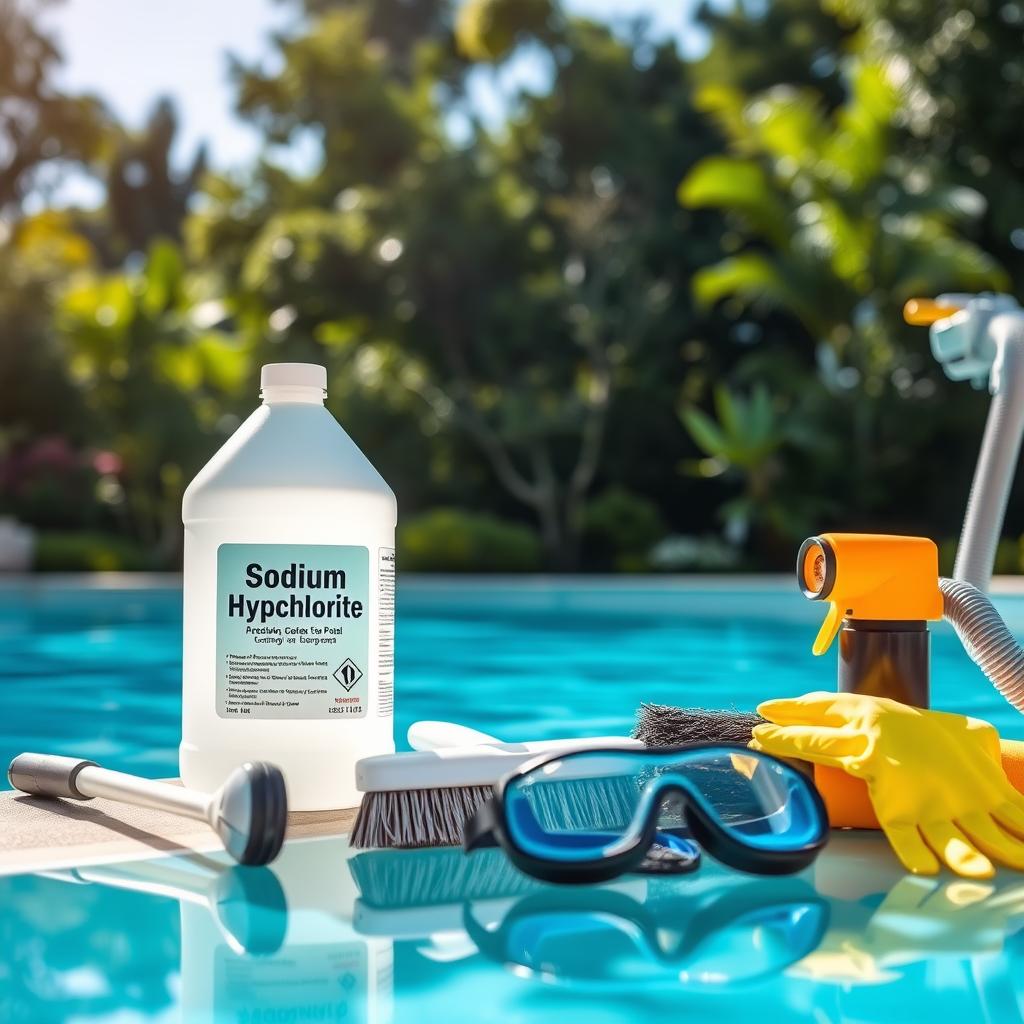
With these tools and equipment, you’ll be ready to clean and maintain your pool effectively. You can use sodium hypochlorite and other chemicals safely and efficiently.
| Equipment | Description |
|---|---|
| Pool Vacuum | Removes dirt and debris from the pool floor |
| Skimmer | Removes floating dirt and debris from the pool surface |
| Brush | Cleans the pool walls and floor |
Testing Your Pool Water Before Treatment
Before using sodium hypochlorite to clean your pool, test the water first. Check the pH levels, chlorine levels, and other parameters. Testing the water is key to figuring out the right amount of sodium hypochlorite. This ensures the treatment works well without making the water too chlorinated.
Click to use Silverigroup personal shopper services
To test your pool water, focus on these key areas:
- pH levels
- Chlorine levels
- Alkalinity levels
- Cyanuric acid levels
These tests help you find the right sodium hypochlorite dosage. Remember, how often you test can change based on pool use and weather.
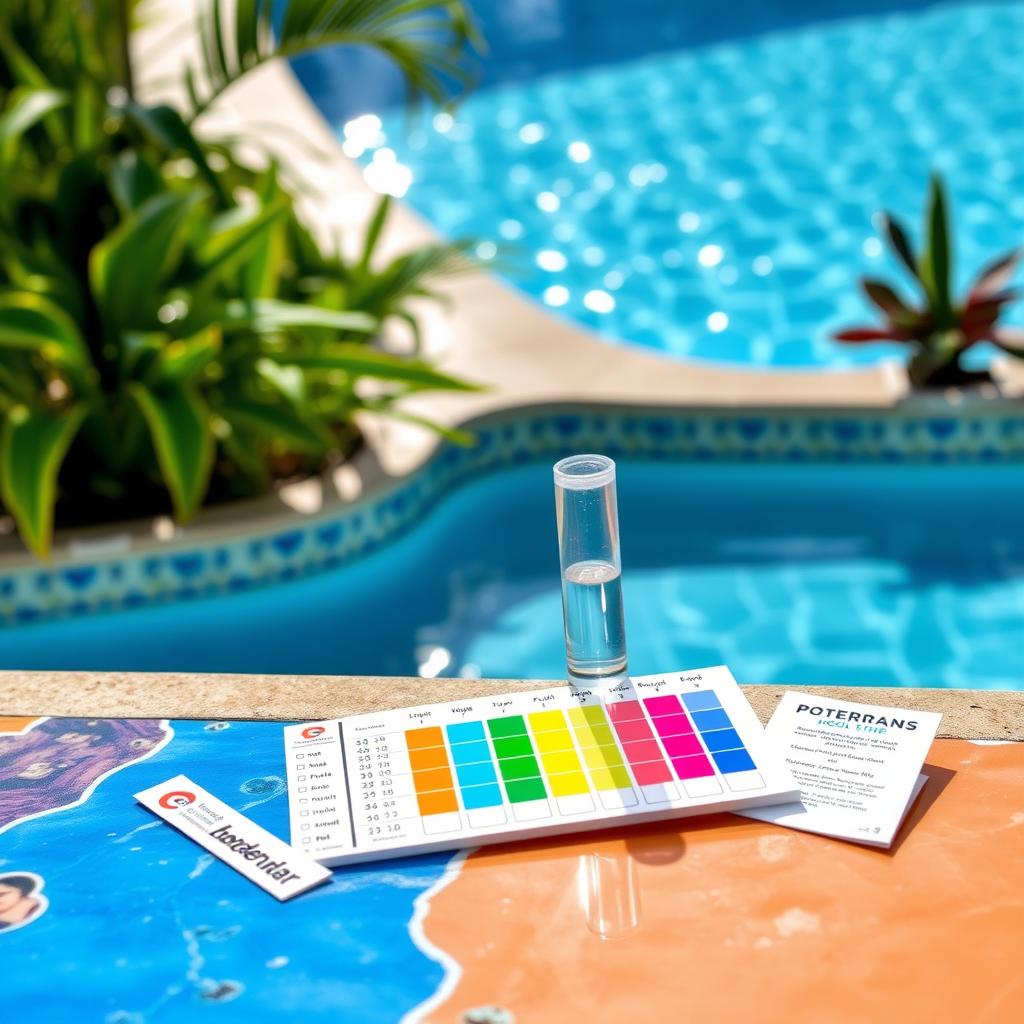
Regular testing and using sodium hypochlorite keeps your pool safe and clean. It also stops problems like algae and cloudy water. Always follow the sodium hypochlorite instructions and stay safe.
Click to buy citric acid from Silvairgroup
| Parameter | Recommended Level |
|---|---|
| pH levels | 7.2-7.8 |
| Chlorine levels | 1-3 ppm |
| Alkalinity levels | 80-120 ppm |
| Cyanuric acid levels | 30-50 ppm |
How to Use Sodium Hypochlorite to Clean Your Pool Effectively
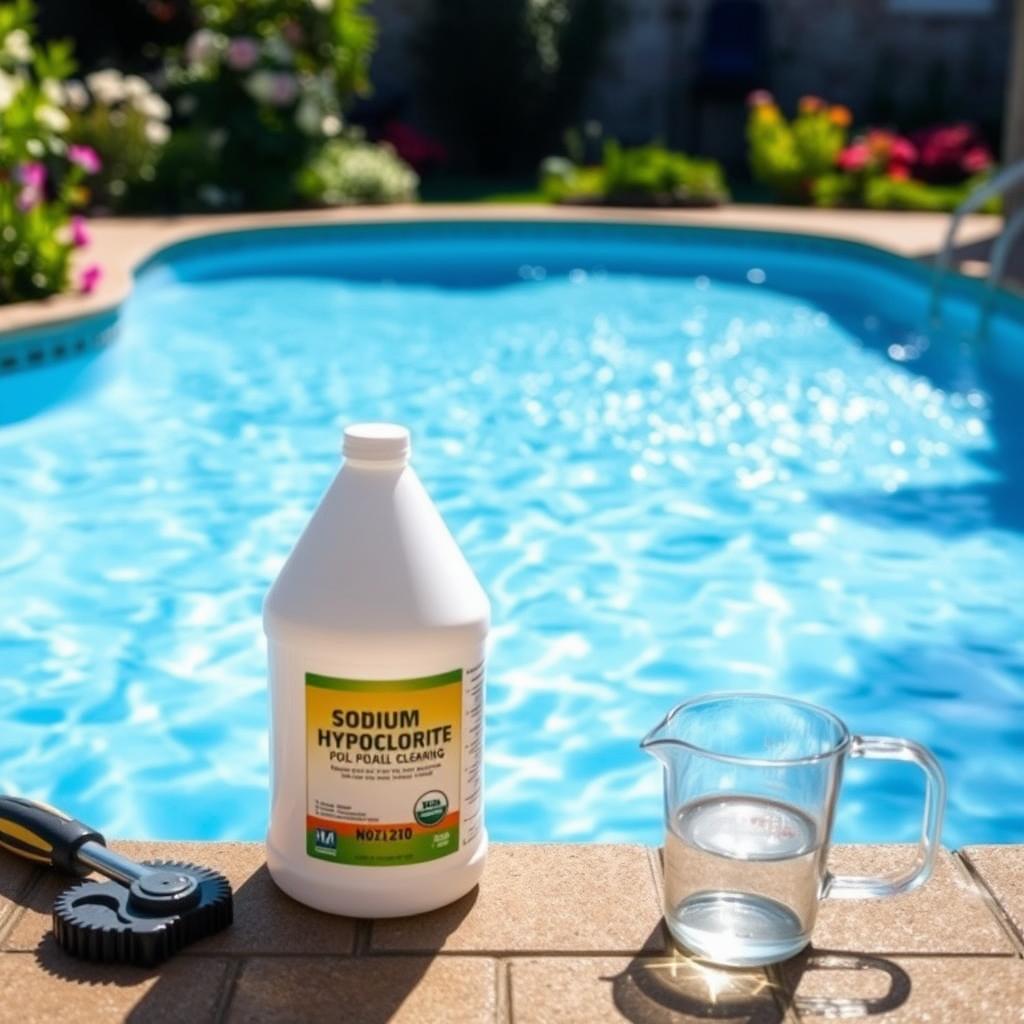
Using sodium hypochlorite to clean your pool is a common method. It keeps the water clean and safe. It’s a favorite among pool owners because it sanitizes and disinfects well. To clean your pool right, follow a simple guide. First, figure out how much sodium hypochlorite you need. This depends on your pool’s size and the chlorine levels.
Calculating the Correct Amount
Getting the right amount is key. Too little won’t clean the pool well. Too much can harm people swimming.
Application Methods
You can apply sodium hypochlorite in different ways. You can do it manually or use an automated system. Automated systems are easier and more consistent.
Click to buy frozen a grade beluga fish from Silverigroup
Timing Considerations
When you apply the treatment matters too. Do it when the pool is less busy. This way, it works better and doesn’t bother swimmers.
Maintaining Proper Chemical Balance
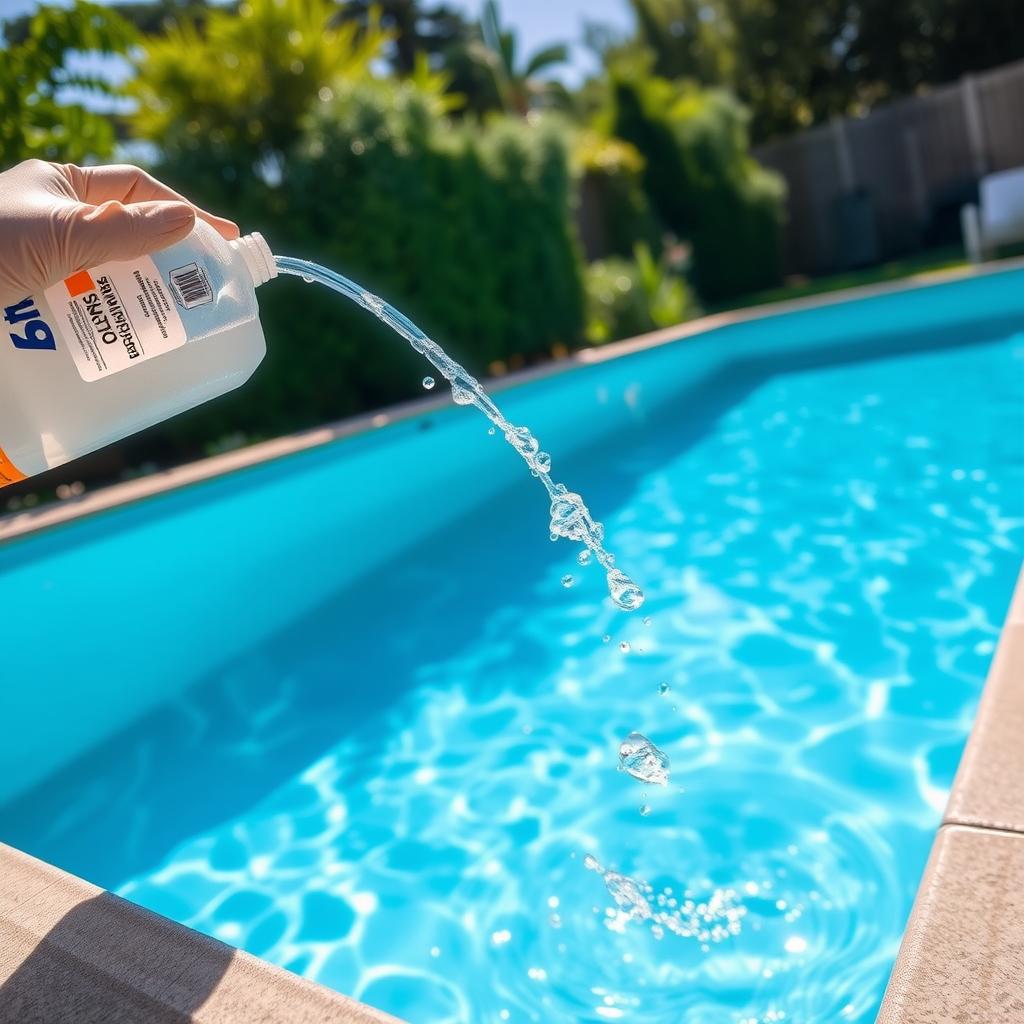
Keeping the chemical balance right is key for your pool’s health and safety. The balance of chemicals in the water affects its clarity, safety, and how well treatments work. To effectively clean your pool with sodium hypochlorite, you need to test the water often and adjust the levels of chlorine, pH, and other chemicals as needed.
A balanced chemical environment makes sodium hypochlorite work better. It also stops algae growth and eye irritation. Important things to think about when keeping the chemical balance include:
- Regularly testing the water for chlorine, pH, and other chemical levels
- Adjusting the levels of these chemicals as necessary to maintain a balanced environment
- Monitoring the pool’s clarity and safety
| Chemical | Recommended Level |
|---|---|
| Chlorine | 1-3 ppm |
| pH | 7.2-7.8 |
Common Mistakes to Avoid When Using Sodium Hypochlorite
Using sodium hypochlorite for pool cleaning can lead to mistakes. These mistakes can make the cleaning less effective or even harmful. Knowing these common errors is key to using sodium hypochlorite correctly. Improper storage is a big concern. It can cause accidents or contaminate the pool water. Some common mistakes include:
- Improper storage of sodium hypochlorite, which can lead to accidents or contamination
- Incorrect application of the chemical, which can be ineffective or harmful
- Neglecting safety precautions, which can result in injuries
To avoid these mistakes, pool owners should follow sodium hypochlorite pool cleaning tips. Proper storage and handling are vital for safety and water quality. Also, following the recommended application guidelines is important for effective results.
Storage Errors
Storing sodium hypochlorite wrong can be dangerous. It should be kept in a well-ventilated area, away from sunlight and heat.
Application Mistakes
Using the wrong amount of sodium hypochlorite can be a problem. It’s important to use the right amount based on the pool size and water volume.
Safety Oversights
Ignoring safety can lead to injuries. Always wear gloves and goggles when handling sodium hypochlorite.
Signs Your Pool Needs Additional Treatment
Keeping your pool clean and safe is key. Sometimes, your pool might need more than regular care. Look for signs to see if your pool needs extra help. Using sodium hypochlorite is a good way to keep it clean, but sometimes more is needed.
Visual Indicators
Some visual signs that your pool needs more treatment include:
- Visible algae growth, which can appear as greenish patches on the pool walls or floor
- Unusual odors, which can be a sign of bacterial growth
These signs mean you might need to change your cleaning routine. Using sodium hypochlorite can help prevent these problems.
Chemical Level Warning Signs
Imbalanced chemical levels are another sign. Check your pool’s pH and chlorine levels often. Sodium hypochlorite can help keep these levels right.
By spotting these signs and acting fast, you can keep your pool in top shape. Always follow the right steps when using sodium hypochlorite to clean your pool. This ensures it works well and safely.
Seasonal Considerations for Pool Treatment
When it comes to how to use sodium hypochlorite to clean your pool, the season matters a lot. Each season brings its own needs for pool care because of weather and use changes. For example, summer means more cleaning and chemical tweaks because of all the swimmers.
Winter, on the other hand, is about getting the pool ready for cold weather. Knowing these seasonal needs helps pool owners keep their pool in top shape all year. Some important things to think about include:
- More cleaning and chemical tweaks needed in summer
- Winterizing and protecting against cold in winter
- Changing chemical levels and cleaning schedules with the seasons
By keeping these seasonal tips in mind, pool owners can use sodium hypochlorite well. This keeps the pool safe and healthy for swimming. Remember, how to use sodium hypochlorite to clean your pool changes with the seasons. Adjusting your care routine for each season keeps your pool clean, safe, and in great shape all year.
Troubleshooting Common Pool Problems
Pool owners often face issues, even with regular care. Finding the cause is key to fixing the problem. Pool cleaning with sodium hypochlorite helps keep water clean and safe.
Common issues include algae, cloudy water, and chemical imbalances. Here’s how to tackle these problems:
- To fight algae, boost chlorine or use an algaecide. This stops algae and prevents it from coming back.
- For cloudy water, tweak pH levels or add a clarifier. This clears the water and makes it clearer.
- Chemical imbalances? Test and adjust the levels. This keeps the water safe for swimming.
Knowing the causes and fixing them ensures a clean, safe pool. The benefits of sodium hypochlorite for pool maintenance make it a great choice. With the right care, pools stay clean and inviting all season.
Alternative Methods and Complementary Treatments
Sodium hypochlorite is a common choice for keeping pools clean and safe. But, there are other ways to maintain a pool. These include using extra sanitizers and shock treatments alongside sodium hypochlorite.
Additional Sanitizers
Some pool owners like to use bromine or ozone generators instead. These alternatives offer ongoing sanitation with fewer harsh chemicals. They can work together with sodium hypochlorite for a complete pool care plan.
Shock Treatments
Shock treatments add a lot of oxidizer to the water. This removes built-up contaminants and refreshes the water. Doing this now and then keeps the pool healthy and safe. Mixing shock treatments with sodium hypochlorite ensures the pool stays clean and safe for swimmers.
Using different methods and treatments has many benefits:
- Improved water quality
- Less chemical use
- Better pool safety
Exploring these options lets pool owners tailor their maintenance plan. Whether using sodium hypochlorite, other sanitizers, or shock treatments, the goal is to find a balance. This ensures a clean, safe, and healthy swimming pool.
Conclusion: Maintaining a Clean and Safe Swimming Pool
To keep a swimming pool clean and safe, you need to maintain it well. Understanding the importance of sodium hypochlorite is crucial. By following the steps in this article, you can use sodium hypochlorite to clean your pool effectively. Regular testing and correct application are essential. Also, being quick to solve problems like algae or chemical imbalances is important. This way, your pool will last longer and be a safe, fun place for everyone. By making the effort to use sodium hypochlorite to clean your pool right, you’re investing in a great swimming spot. It will be clean, safe, and ready for fun for many years.
FAQ: How to use sodium hypochlorite to clean your pool
What is sodium hypochlorite and how does it work for pool cleaning?
Sodium hypochlorite is a chemical used to keep pool water clean. It kills bacteria, algae, and other harmful organisms. This makes the water safe for swimmers.
What are the different forms of sodium hypochlorite available for pool cleaning?
You can find sodium hypochlorite in liquid and granular forms. The choice depends on your pool’s needs and your preference.
What safety precautions should be taken when handling pool chemicals like sodium hypochlorite?
Always wear protective gear like gloves, goggles, and a mask when handling sodium hypochlorite. Make sure the area is well-ventilated. Follow proper storage and disposal to avoid accidents and harm to the environment.
What tools and equipment are needed for effective pool cleaning with sodium hypochlorite?
You’ll need basic cleaning tools like vacuums and skimmers. Also, protective gear and chemical testing supplies are essential for handling sodium hypochlorite.
How do you test the pool water before applying sodium hypochlorite treatment?
Testing the pool water is crucial before treatment. Check the pH and chlorine levels. This helps determine the right amount of sodium hypochlorite to use.
What is the proper way to use sodium hypochlorite to clean a pool effectively?
To use sodium hypochlorite effectively, first calculate the right amount based on your pool’s size and chlorine levels. Choose the best application method and consider timing for the best results.
Why is maintaining the proper chemical balance in the pool water important?
Keeping the chemical balance right is key to safe and healthy pool water. Regularly test the water and adjust chlorine, pH, and other chemicals as needed. This prevents algae and eye irritation.
What are some common mistakes to avoid when using sodium hypochlorite for pool cleaning?
Avoid storing sodium hypochlorite improperly and using it incorrectly. Always follow safety guidelines. This ensures safe and effective use.
How can you tell when a pool needs additional treatment with sodium hypochlorite?
Look for signs like algae, unusual smells, and imbalanced chemicals. Catching these early helps prevent bigger problems and keeps the water clean.
How do seasonal changes affect the use of sodium hypochlorite for pool maintenance?
Seasonal changes affect pool needs. In summer, more cleaning and adjustments are needed due to more use. In winter, focus on winterizing and protecting against freezing.
How can you troubleshoot common pool problems like algae growth, cloudy water, and chemical imbalances?
To fix common problems, find the cause and apply the right solution. For algae, increase chlorine or use an algaecide. For cloudy water, adjust pH or use a clarifier. For imbalances, test and adjust chemical levels.
What are some alternative methods and complementary treatments that can be used in conjunction with sodium hypochlorite for pool maintenance?
Besides sodium hypochlorite, consider other sanitizers like bromine or ozone generators. Shock treatments can also refresh the water by removing contaminants.