
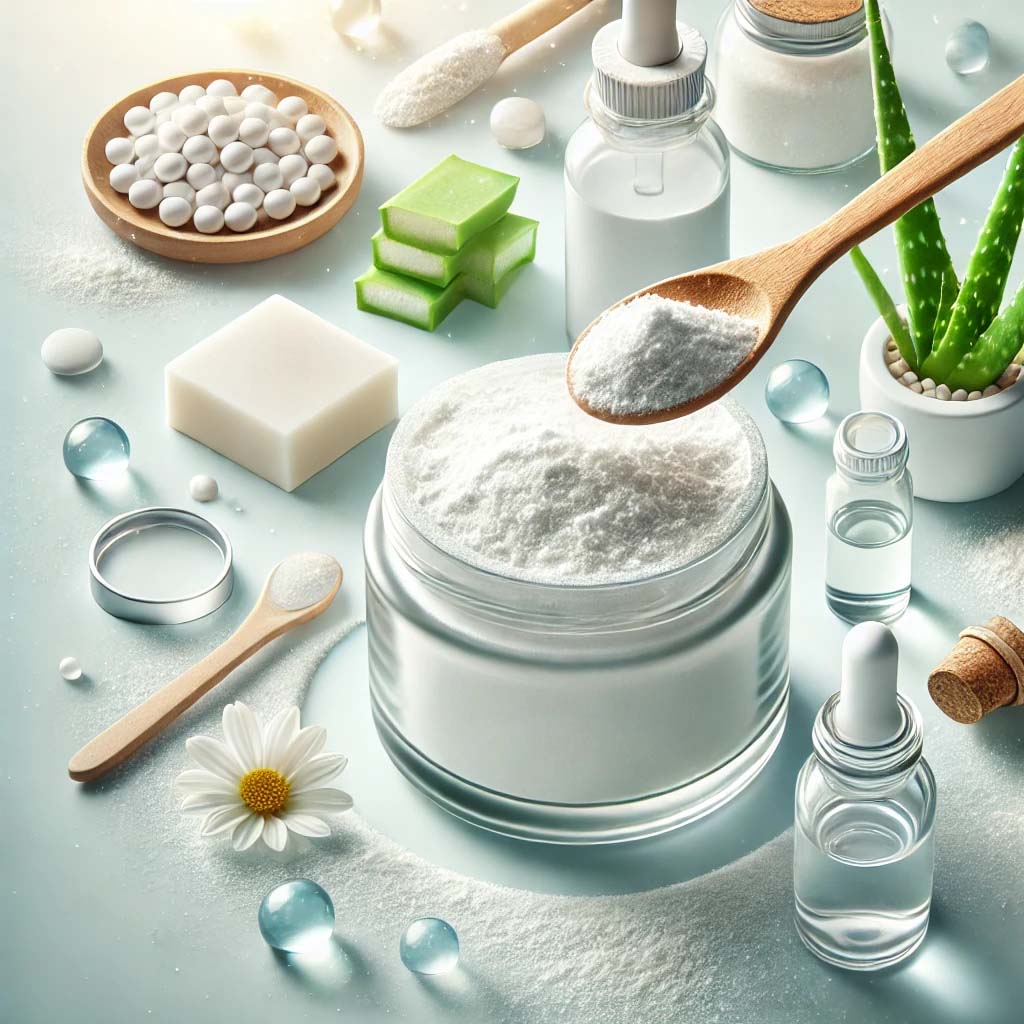
Achieving a flawless, even skin tone has become a priority for many individuals looking to address hyperpigmentation. Hydroquinone powder is a well-known solution for this purpose, offering effective results in reducing dark spots, age spots, and melasma. By inhibiting melanin production, hydroquinone helps to lighten and brighten the skin, giving it a smoother, more uniform appearance. However, it’s essential to understand how to properly use hydroquinone powder to avoid potential side effects like irritation. In this article, we will discuss how to use hydroquinone powder effectively, benefits, and its potential risks.
Click to use Silverigroup personal shopper services
What Is Hydroquinone Powder and How Does It Work?
Hydroquinone powder is a skin-brightening agent commonly used to treat hyperpigmentation issues, such as dark spots, melasma, and age spots. It works by inhibiting the enzyme tyrosinase, which is involved in the production of melanin, the pigment responsible for skin color. By reducing melanin production, hydroquinone helps to lighten and even out the skin tone, making it a popular choice in both over-the-counter and prescription skincare treatments.
When used topically, hydroquinone powder is typically mixed with a suitable base or serum before application. This formulation allows for effective penetration into the skin. It is often recommended for people with uneven skin tone or discoloration caused by sun exposure, hormonal changes, or aging. However, its use should be monitored carefully to avoid irritation or overuse, as it can cause sensitivity in some individuals. It is essential to follow instructions and consult a dermatologist before incorporating hydroquinone into your skincare routine for optimal results and safety.

Benefits of Hydroquinone Powder for Skin Treatment
Hydroquinone powder offers several benefits for skin treatment, particularly for those dealing with hyperpigmentation. Some of its key advantages include:
- Reduces Dark Spots: Hydroquinone helps lighten dark spots caused by sun exposure, acne scars, and age spots, providing a more even skin tone.
- Treats Melasma: It is effective in treating melasma, a common condition that causes brown or gray-brown patches on the face, particularly in women.
- Brightens Skin Tone: By inhibiting melanin production, hydroquinone helps to brighten the overall complexion, giving the skin a more radiant and uniform appearance.
- Improves Skin Texture: Regular use of hydroquinone can lead to smoother skin by reducing discoloration and promoting a more balanced texture.
- Promotes Youthful Skin: As it lightens dark spots and evens skin tone, hydroquinone can help restore a youthful appearance by reducing the signs of aging and pigmentation.
Click to buy citric acid from Silvairgroup
When used appropriately, hydroquinone powder provides significant improvement in skin clarity and brightness.

How to Use Hydroquinone Powder
Using hydroquinone powder effectively in your skincare routine requires careful preparation and application. Follow these steps to ensure the best results while minimizing the risk of irritation:
Prepare the Hydroquinone Powder
Hydroquinone powder should be mixed with a suitable base or serum for proper application. Depending on the concentration and your skin’s sensitivity, you may want to dilute it with a moisturizing agent like glycerin or aloe vera gel. It’s essential to consult a dermatologist before mixing hydroquinone powder to ensure proper proportions.
Click to buy Beluga Fresh Frozen from Silverigroup
Patch Test
Before applying hydroquinone powder to your entire face, perform a patch test. Apply a small amount to an inconspicuous area, such as the inside of your elbow, and wait 24 hours to check for any allergic reactions or irritation.
Cleanse Your Skin
Start by cleansing your face with a gentle cleanser to remove dirt, oil, and impurities. Pat your skin dry with a clean towel to avoid irritation.
Apply Hydroquinone
Once your skin is clean, apply the hydroquinone mixture directly to the areas with dark spots or pigmentation. Use a thin layer to avoid over-application, which could lead to irritation.
Moisturize and Protect
Follow up with a gentle moisturizer to lock in hydration and help reduce dryness. Always apply sunscreen during the day, as hydroquinone can make your skin more sensitive to sunlight.
Monitor for Side Effects
Use hydroquinone as directed, and if irritation, redness, or peeling occurs, reduce the frequency of use or stop altogether. Always consult with a dermatologist if issues persist.
By following these steps, you can effectively incorporate hydroquinone powder into your skincare routine for optimal results.
How Long Does Hydroquinone Powder Take to Work?
The time it takes for hydroquinone powder to show visible results can vary depending on the severity of pigmentation and the individual’s skin type. Typically, noticeable improvements in skin tone and dark spots may appear within 4 to 6 weeks of consistent use. However, it’s important to understand that full results can take up to 3 months or longer, especially for more stubborn pigmentation issues like melasma or sunspots.
For best results, hydroquinone should be used regularly as part of a daily skincare routine, and it’s crucial to apply sunscreen during the day to prevent further darkening from UV exposure. If after 3 months there are no improvements, it’s recommended to consult a dermatologist for advice or explore other treatment options.
Potential Side Effects of Hydroquinone Powder
While hydroquinone powder is effective for treating hyperpigmentation, it can cause potential side effects, especially if not used correctly. Common side effects include skin irritation, redness, dryness, or peeling, particularly for individuals with sensitive skin. Overuse or prolonged application can lead to ochronosis, a rare condition where the skin becomes blue-black in color. Hydroquinone can also make the skin more sensitive to the sun, increasing the risk of sunburn. To minimize these risks, it’s important to use the product as directed, start with a lower concentration, and always apply sunscreen during the day. If irritation persists, discontinue use and consult a dermatologist.
Hydroquinone Powder vs. Other Skin Lightening Ingredients
Hydroquinone powder is a powerful and widely-used ingredient for skin lightening, but there are several other options available in the market. Here’s a comparison of hydroquinone with some common alternatives:
Hydroquinone vs. Vitamin C
Vitamin C is a natural antioxidant known for its brightening and skin tone-evening properties. Unlike hydroquinone, Vitamin C doesn’t inhibit melanin production directly but helps to reduce the appearance of dark spots and hyperpigmentation over time. It’s generally gentler but may take longer to show results.
Hydroquinone vs. Niacinamide
Niacinamide (Vitamin B3) is another popular skin-lightening ingredient that helps to reduce the appearance of dark spots and improve skin texture. While hydroquinone is often more effective for severe hyperpigmentation, niacinamide offers a milder, more gentle option that works well for sensitive skin.
Hydroquinone vs. Alpha Arbutin
Alpha Arbutin is a naturally derived compound that inhibits melanin production, much like hydroquinone. However, it is considered a gentler alternative with fewer side effects. It may take longer to achieve noticeable results compared to hydroquinone.
Hydroquinone vs. Kojic Acid
Kojic acid is another effective skin-lightening agent that works by inhibiting melanin production. It is often used as a safer alternative to hydroquinone, though it may not be as potent for severe pigmentation issues.
Overall, hydroquinone is the most potent option for rapid and effective skin lightening, but alternatives like Vitamin C, niacinamide, and alpha arbutin are great options for those with sensitive skin or those seeking more natural treatments.
Where to Buy Hydroquinone Powder ?
When purchasing hydroquinone powder, it’s essential to buy from reputable stores and trusted manufacturers to ensure product quality and safety. Look for suppliers who offer products with appropriate certifications, such as FDA approval or GMP (Good Manufacturing Practices) compliance. These certifications guarantee that the product has been tested for purity and meets safety standards. Be cautious of purchasing from unverified sources, as they may offer low-quality or contaminated products. Always check customer reviews and consult with a dermatologist to ensure you’re selecting a product that is both safe and effective for your skin.
conclusion
In conclusion, hydroquinone powder is a highly effective solution for treating hyperpigmentation and achieving a more even skin tone. When used properly, it can help reduce dark spots, melasma, and other pigmentation issues. However, it’s crucial to follow the correct usage guidelines, perform patch tests, and apply sunscreen to avoid potential side effects. Always buy hydroquinone from reputable sources with proper certifications to ensure product safety and quality. If you experience any irritation or discomfort, consult a dermatologist for advice. By using hydroquinone responsibly, you can achieve noticeable, safe, and lasting results for your skin.