


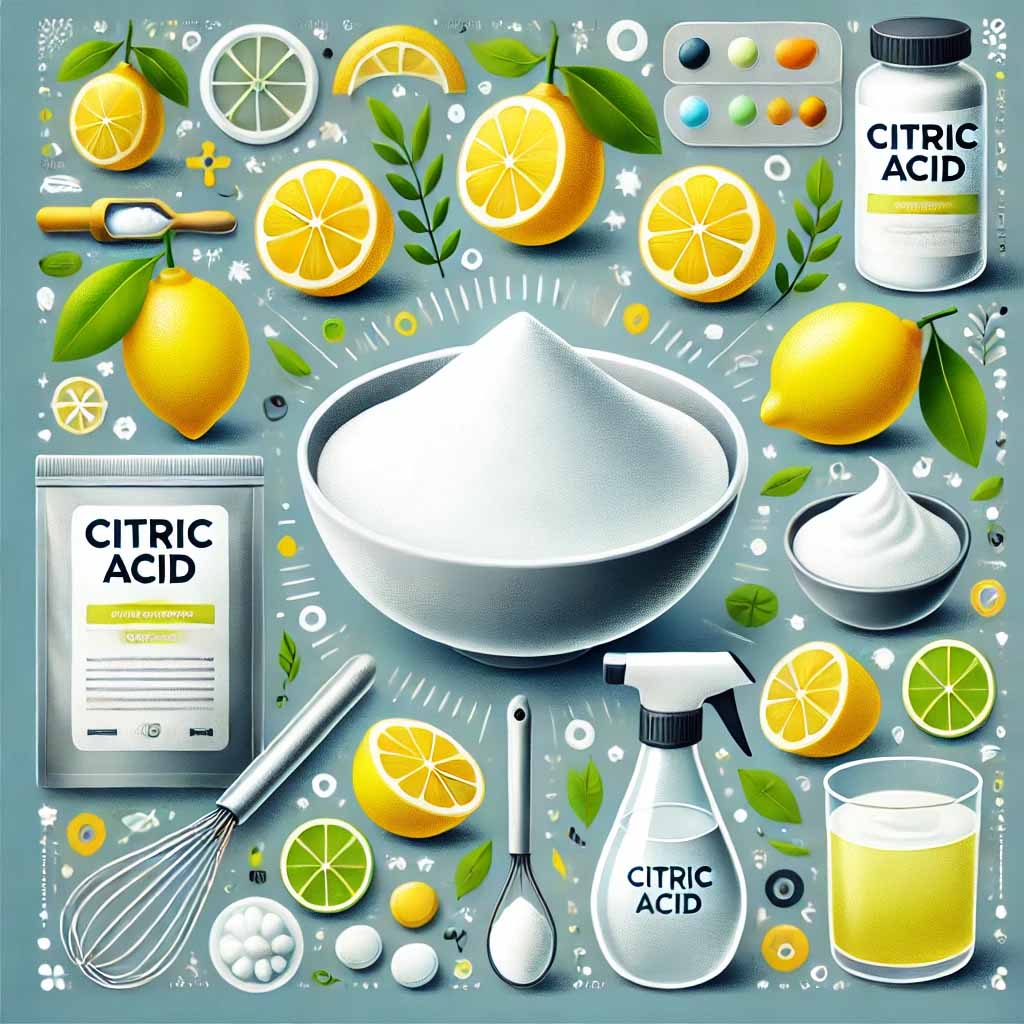
From preserving food to enhancing flavors, citric acid is a versatile ingredient with countless uses. But what is citric acid, and how do we use it? Citric acid is a natural compound found in citrus fruits, commonly used as a preservative, flavor enhancer, and cleaning agent. In cooking, it adds a tangy kick to dishes and extends the shelf life of foods. Beyond the kitchen, it’s a powerful ingredient in DIY cleaning solutions and even skincare products. In the following sections, we will explore its most important applications and how you can use it effectively.
Click to use Silverigroup personal shopper services
What is Citric Acid?
Citric acid is a weak organic acid naturally found in citrus fruits such as lemons, limes, and oranges. It has the chemical formula C₆H₈O₇ and is known for its sour taste and crystalline structure. In its pure form, citric acid appears as a white, odorless powder that easily dissolves in water. Structurally, citric acid is a tricarboxylic acid, meaning it has three carboxyl (-COOH) groups. This structure makes it highly soluble in water and gives it acidic properties. Citric acid is a key intermediate in the Krebs cycle (citric acid cycle)—a fundamental metabolic process in all aerobic organisms responsible for energy production.

Although it occurs naturally in fruits, most industrial citric acid is produced through fermentation using the fungus Aspergillus niger, which converts sugars into citric acid. This method ensures a high yield and makes citric acid widely available for commercial use. Thanks to its stability and non-toxic nature, citric acid is a safe and essential compound in various biological and chemical processes.
Click to buy citric acid from Silvairgroup
| Aspect | Details |
| Chemical Formula | C₆H₈O₇ |
| Appearance | White, odorless, crystalline powder |
| Solubility | Highly soluble in water |
| Acid Type | Tricarboxylic acid (contains three -COOH groups) |
| Natural Source | Found in citrus fruits like lemons and oranges |
| Biological Role | Key compound in the Krebs cycle for energy production |
| Industrial Production | Made via fermentation using Aspergillus niger |
| Properties | Weak organic acid with a sour taste |
Click to buy Beluga Fresh Frozen from Silverigroup
Industrial Applications of Citric Acid
Citric acid is widely used across various industries due to its acidity, chelating properties, and ability to act as a preservative. Below, we explore its diverse industrial applications.
1. Citric Acid in Food and Beverage Manufacturing
Citric acid is one of the most commonly used food additives, primarily for its ability to enhance flavor, act as a preservative, and regulate pH. It is responsible for the tangy taste found in many soft drinks, candies, and processed foods. In beverages, citric acid is used to balance sweetness and acidity, making it a key ingredient in sodas, fruit juices, and energy drinks.
Additionally, citric acid acts as a preservative by preventing bacterial growth and oxidation, extending the shelf life of various packaged foods. It also helps stabilize emulsions in products like salad dressings and dairy-based drinks, preventing separation. In confectionery, citric acid enhances the sourness of gummies and hard candies, improving their overall taste profile.
2. Pharmaceutical and Medical Uses of Citric Acid
Citric acid plays an essential role in the pharmaceutical industry due to its buffering and anticoagulant properties. It is commonly used to regulate pH levels in medicines, ensuring stability and effectiveness. Many effervescent tablets, such as vitamin C supplements, use citric acid in combination with bicarbonates to create a fizzy reaction that enhances dissolution and absorption.

In medical applications, citric acid is used in anticoagulant solutions to prevent blood clotting during storage. It binds to calcium ions in the blood, reducing clot formation, which is essential for blood transfusions and laboratory tests. Furthermore, citric acid is found in oral care products, such as toothpaste and mouthwash, where it helps break down plaque and kill bacteria, contributing to better dental hygiene.
3. Citric Acid in Cosmetics and Personal Care Products
Citric acid is a popular ingredient in skincare and personal care products due to its exfoliating and pH-regulating properties. As an alpha hydroxy acid (AHA), citric acid gently removes dead skin cells, promoting a brighter complexion and smoother skin texture. It is commonly found in facial cleansers, toners, and anti-aging creams. In hair care products, citric acid is used to adjust the pH of shampoos and conditioners, preventing excessive alkalinity that can damage hair. It also helps remove mineral buildup from hard water, leaving hair softer and shinier. Additionally, citric acid is a key component in bath bombs, where it reacts with baking soda to create the characteristic fizzing effect.
4. Cleaning and Detergent Industry Applications
Citric acid is a powerful natural chelating agent, meaning it binds to metal ions such as calcium and magnesium. This makes it particularly useful in household and industrial cleaning products, where it helps break down limescale, soap scum, and hard water deposits. Many eco-friendly dishwashing liquids and laundry detergents contain citric acid because it enhances cleaning efficiency without the need for harsh chemicals. It is also used in descaling solutions for coffee machines, kettles, and dishwashers to remove mineral buildup. In industrial cleaning, citric acid is used to clean machinery and pipelines, preventing corrosion caused by metal ion deposits.
5. Citric Acid in Water Treatment and Metal Cleaning
Water treatment facilities utilize citric acid to adjust pH levels and remove unwanted metal ions from water sources. Due to its non-toxic nature, citric acid is an environmentally friendly alternative to synthetic chemicals for removing iron, copper, and other heavy metals from water systems.
In metal cleaning, citric acid is used as a rust remover and passivation agent to clean and protect stainless steel and other metals. Unlike harsh acid-based cleaners, citric acid provides a safer alternative that effectively removes oxidation without damaging surfaces. It is commonly used in industries such as aerospace, automotive, and manufacturing to maintain metal parts and equipment.
6. Agricultural and Industrial Biotechnology Uses
In agriculture, citric acid is used to enhance nutrient availability in soil by breaking down mineral deposits, making essential nutrients more accessible to plants. It is also used in animal feed formulations to improve digestion and nutrient absorption in livestock. Citric acid is widely applied in industrial fermentation as a pH regulator, ensuring optimal conditions for microbial growth in biotechnological processes. It is used in the production of biofuels, pharmaceuticals, and food-grade enzymes. Additionally, citric acid is a key ingredient in biodegradable pesticides and fertilizers, helping reduce environmental impact while maintaining soil health.
7. Citric Acid as a Preservative and pH Regulator in Manufacturing
Citric acid is an essential pH regulator in various manufacturing processes, ensuring that products remain stable and effective. In industries such as textiles and dyes, citric acid helps maintain the desired acidity levels required for proper dye fixation on fabrics. As a preservative, citric acid prevents microbial growth in industrial formulations such as paints, coatings, and adhesives. It extends the shelf life of these products without introducing harmful chemicals. Additionally, it is used in the production of biodegradable plastics, where it acts as a plasticizer to improve flexibility and durability.
Household Uses of Citric Acid
Citric acid is a versatile and eco-friendly household ingredient with numerous practical applications. It acts as a natural cleaning agent, preservative, and odor eliminator, making it a valuable alternative to chemical-based products. Here’s how you can incorporate citric acid into your daily household tasks.
1. Citric Acid for Natural Stain Removal
Citric acid is an excellent natural stain remover, particularly for tough stains caused by coffee, tea, wine, and rust. Its acidic nature helps break down stubborn residues and dissolve mineral deposits.
- To remove stains from white clothes, dissolve one tablespoon of citric acid powder in a cup of warm water, apply it to the stain, let it sit for a few minutes, and then wash as usual.
- For rust stains on fabrics or hard surfaces, create a paste by mixing citric acid with a little water, apply it to the affected area, let it sit for 15 minutes, then scrub and rinse.
2. Using Citric Acid to Descale Appliances
Hard water deposits can cause mineral buildup in household appliances such as kettles, coffee makers, dishwashers, and washing machines. Citric acid is an effective and safe descaler that removes limescale without harsh chemicals.
- For kettles and coffee makers: Mix one tablespoon of citric acid with one liter of water, run the solution through the appliance, let it sit for 15 minutes, then rinse thoroughly.
- For dishwashers and washing machines: Add half a cup of citric acid powder to an empty cycle and run it on the hottest setting to remove mineral deposits.
3. Citric Acid as a Natural Fabric Softener
Commercial fabric softeners often contain synthetic fragrances and chemicals. Citric acid provides a natural and eco-friendly alternative that softens fabrics and helps prevent detergent buildup.
- Mix one teaspoon of citric acid with one cup of water and add it to the fabric softener compartment of your washing machine. This will help break down soap residues, leaving clothes feeling softer and fresher.
4. Homemade Citric Acid-Based All-Purpose Cleaner
Citric acid is a powerful cleaning agent that can be used to make an all-purpose cleaner for kitchen counters, bathroom surfaces, and even glass.
- DIY Cleaner Recipe: Mix two tablespoons of citric acid powder, one cup of warm water, and a few drops of essential oil (such as lemon or tea tree oil) in a spray bottle. Shake well and use it to clean surfaces, removing grime, soap scum, and water stains.
5. Preserving Fresh Fruits and Vegetables with Citric Acid
Citric acid acts as a natural preservative, preventing oxidation and spoilage in fresh produce. It is commonly used to maintain the color and freshness of cut fruits and vegetables.
- To prevent browning, dissolve one teaspoon of citric acid in a bowl of water, then soak cut apples, pears, avocados, or potatoes for a few minutes before storing.
- Citric acid can also be added to homemade fruit preserves and canned vegetables to extend their shelf life.
6. Citric Acid for DIY Bath and Beauty Products
Citric acid is a key ingredient in homemade beauty and bath products, thanks to its skin-brightening properties and ability to create fizzing effects.
- Bath Bombs: Mix one cup of baking soda, half a cup of citric acid, and half a cup of cornstarch. Add essential oils and a few drops of water until the mixture holds its shape. Mold into balls and let dry before use.
- Face Toner: Dissolve half a teaspoon of citric acid in a cup of distilled water, apply with a cotton pad to gently exfoliate and brighten the skin. Always patch-test first to avoid irritation.
7. Eliminating Odors with Citric Acid
Citric acid helps neutralize bad odors by breaking down bacteria and mineral buildup. It is particularly useful for deodorizing garbage disposals, refrigerators, and even laundry.
- For garbage disposals: Mix two tablespoons of citric acid with a cup of warm water, pour it into the drain, let it sit for 10 minutes, then rinse with hot water.
- For laundry odors: Add one tablespoon of citric acid to the washing machine to remove musty smells from towels and workout clothes.
8. Citric Acid for Extending the Shelf Life of Homemade Jams and Pickles
Citric acid is commonly used in homemade jams, jellies, and pickles to balance pH levels and prevent spoilage. It helps preserve the color and flavor of the ingredients while inhibiting microbial growth.
- For jams and jellies: Add 1/4 teaspoon of citric acid per cup of fruit to help maintain a bright color and reduce sugar crystallization.
- For pickling: Citric acid enhances the acidity of pickling brines, ensuring longer preservation without altering the taste. Use half a teaspoon per quart of liquid for optimal results.
Citric Acid vs. Other Acids: Key Differences
Citric acid is a naturally occurring organic acid commonly found in citrus fruits, widely used for its mild acidity, preservative properties, and ability to regulate pH. Unlike stronger acids, such as sulfuric or hydrochloric acid, citric acid is safe for consumption and use in household products. It is often preferred in food and cosmetic applications due to its non-toxic nature and versatility. Other acids, like acetic acid (found in vinegar) and lactic acid (present in dairy and fermented foods), differ in strength, taste, and application. While acetic acid is more potent and has a distinct sour taste, citric acid is milder, making it ideal for flavor enhancement and preservation in culinary uses. Lactic acid, on the other hand, is commonly used in skincare and fermentation processes due to its ability to exfoliate and preserve.
Conclusion
In conclusion, citric acid is a versatile and natural compound with a wide range of applications in food, cleaning, cosmetics, and more. Its mild acidity, preservative properties, and ability to regulate pH make it an invaluable ingredient for both household and industrial uses. Whether you’re using it for flavor enhancement, stain removal, or as a natural preservative, citric acid provides a safe and eco-friendly alternative to many synthetic chemicals. By understanding its uses and benefits, you can incorporate citric acid into your daily routine for a healthier, more sustainable lifestyle.