


Polyester Thread: The Ultimate Solution for Durability
Polyester thread has emerged as a go-to material for many industries, known for its exceptional strength, resistance to wear, and adaptability. Its durability makes it an ideal choice for various applications, from everyday sewing projects to heavy-duty industrial uses.
In this article, we examine the types of polyester Thread, the characteristics of polyester Thread, and the use and price of polyester Thread.
What is polyester thread?
Polyester thread is a synthetic fiber made from polyester, a type of polymer derived from petroleum. It is created through a chemical process known as polymerization, where long chains of polyester molecules are spun into fibers and then twisted to form thread.
Polyester thread is renowned for its exceptional strength, elasticity, and resistance to shrinking, fading, and moisture. This makes it an ideal choice for various sewing applications, particularly in environments where durability and longevity are critical.
Its resistance to UV light and mildew also makes polyester thread suitable for outdoor projects, such as tents, awnings, and boat covers.
One of the key advantages of polyester thread is its adaptability to different sewing machines and fabrics. It can be used in both high-speed industrial sewing machines and domestic machines without breaking or fraying.
Additionally, polyester thread is highly versatile when it comes to color retention; it can withstand repeated washings and exposure to harsh chemicals without losing its vibrancy.
This combination of durability, resilience, and ease of use makes polyester thread a top choice for industries ranging from fashion to upholstery, where high-quality, long-lasting stitching is essential.
Polyester Thread Properties
Polyester thread possesses a unique set of properties that contribute to its versatility and performance:
Strength: Polyester is known for its exceptional tensile strength, making it resistant to tearing and breaking.
Elasticity: Polyester exhibits good elasticity, allowing it to stretch and recover without losing its shape.
Resilience: Polyester is resilient to wrinkling, maintaining a neat and wrinkle-free appearance.
Resistance: Polyester is resistant to chemicals, stains, and mildew, ensuring its durability and longevity.
Breathability: Polyester can be engineered to be breathable, allowing moisture to evaporate and preventing discomfort.
Luster: Polyester offers a lustrous appearance, adding a touch of elegance to fabrics and garments.
Colorfastness: Polyester is colorfast, maintaining its vibrant hues even after repeated washings.
Dimensional stability: Polyester exhibits excellent dimensional stability, retaining its size and shape over time.
Thermal insulation: Polyester can provide thermal insulation, keeping you warm in cold weather and cool in hot conditions.
Quick-drying: Polyester dries quickly, making it convenient for active wear and outdoor apparel.

Main types of polyester thread
Polyester thread is available in several different types, each engineered to meet specific needs depending on the application and fabric. The most common types include spun polyester thread, filament polyester thread, and core-spun polyester thread.
Spun polyester thread is made from short polyester fibers that are spun together to create a smooth, strong thread. This type is widely used in garment production, home textiles, and general sewing because it mimics the softness and flexibility of cotton but with enhanced durability and strength.
Click to use Silvari group personal shopper services
Its versatility makes it suitable for both hand sewing and use in various types of sewing machines.
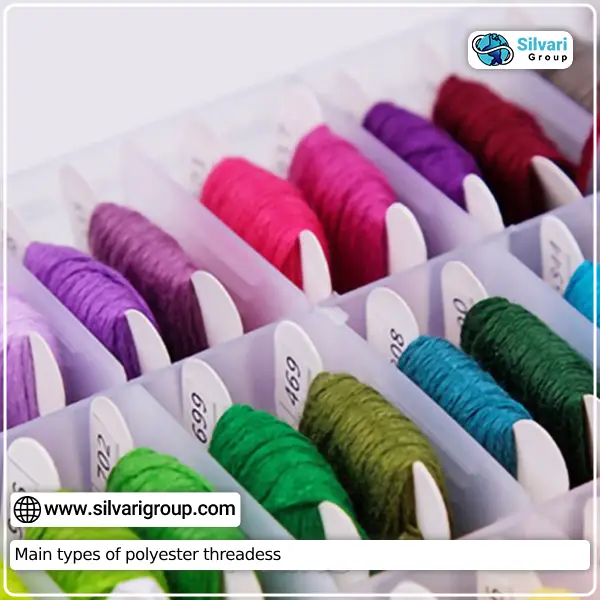
Filament polyester thread, on the other hand, is made from long, continuous strands of polyester, giving it exceptional strength and a smooth, shiny finish. Due to its high tensile strength and resistance to fraying, filament polyester is often used in industrial applications, such as for stitching automotive upholstery, sails, or outdoor furniture.
Its glossy appearance also makes it a popular choice in decorative stitching and embroidery, where both durability and aesthetic appeal are crucial.
Core-spun polyester thread combines the best of both worlds by featuring a strong polyester core wrapped with either cotton or polyester. This hybrid construction provides the strength and resilience of polyester, with the added benefit of the outer wrap enhancing the thread’s flexibility and smoothness during sewing.
Core-spun polyester thread is frequently used in high-speed sewing operations, such as in denim production, where the thread needs to endure heavy stress while maintaining a smooth, clean finish.
Each type of polyester thread offers unique advantages, ensuring that there’s a perfect option available for every sewing requirement—from lightweight garments to heavy-duty industrial applications.
Polyester Thread Uses
Polyester thread finds applications in a wide range of industries and products, including:
Apparel: Polyester is used in various types of clothing, from casual wear to sportswear and formal attire. Its durability, wrinkle resistance, and quick-drying properties make it a popular choice for garments that require frequent washing and wear.
Home textiles: Polyester is commonly used in home textiles such as curtains, draperies, bed linens, and upholstery. Its strength, stain resistance, and easy care make it a practical and durable option for these items.
Industrial textiles: Polyester thread is essential in industrial applications, including automotive upholstery, safety harnesses, sails, and tarpaulins. Its high-tenacity properties ensure durability and resistance to harsh conditions.
Technical textiles: Polyester is used in technical textiles such as geotextiles, filtration fabrics, and medical textiles. Its specific properties, such as UV resistance and chemical resistance, make it suitable for these specialized applications.
Embroidery: Polyester thread is widely used in embroidery, offering a wide range of colors, textures, and finishes. Its durability and colorfastness ensure long-lasting and vibrant embroidery designs.
Sewing: Polyester thread is a popular choice for sewing, providing strength, durability, and versatility. It is compatible with various sewing machines and fabrics.
Industrial stitching: Polyester thread is used in industrial stitching applications, such as sewing leather, heavy-duty fabrics, and technical textiles. Its strength and resistance to abrasion make it ideal for these demanding tasks.
Polyester Thread Sizing
The size of polyester thread plays a crucial role in determining its performance in different applications. Thread sizing is typically measured in tex or denier, both of which indicate the thickness and weight of the thread.
Tex is a universal measurement system where higher numbers represent thicker threads, and denier refers to the weight of 9,000 meters of the thread, also reflecting its thickness. Larger sizes, such as 40 wt (weight) or higher, are ideal for projects requiring greater strength and durability, such as sewing heavy fabrics like denim, canvas, or upholstery.
In contrast, smaller thread sizes, like 60 w or finer, are better suited for more delicate fabrics or detailed work such as embroidery.
These finer threads produce clean, precise stitches without overwhelming lightweight fabrics, making them ideal for applications like quilting, fine garment stitching, and detailed embroidery designs. Choosing the wrong size can lead to visible puckering in light fabrics or insufficient strength in heavier materials.
Selecting the right polyester thread size ensures not only that your stitches hold up under the demands of the fabric, but also that they complement the overall look of the project.

Polyester Thread Limitations
While polyester thread offers many benefits such as durability, strength, and versatility, it does come with certain limitations that should be considered depending on the project.
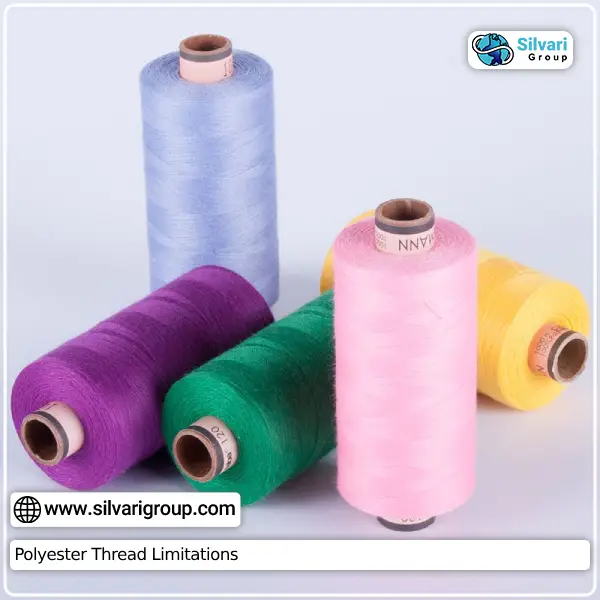
One of the primary limitations of polyester thread is its low heat resistance. Polyester can melt or deform when exposed to high temperatures, which can be problematic in applications involving heat, such as ironing or industrial processes that use extreme temperatures.
Another limitation is its lack of natural breathability compared to threads made from natural fibers like cotton or linen. Polyester thread doesn’t absorb moisture well, which can affect the overall breathability of a garment or fabric. This makes it less ideal for sewing projects that require a high degree of comfort, particularly in warm or humid environments.
While polyester’s strength and resilience are unmatched, its synthetic nature means that it may not provide the same soft, breathable qualities as natural-fiber threads, which are sometimes preferred in high-end garment production or textiles meant for comfort.
Additionally, although polyester thread resists fading and is strong against environmental stressors, it can be less flexible than other thread options. In some delicate fabrics, its stiffness can lead to fabric distortion or puckering during the sewing process, especially if the wrong tension is applied.
Polyester Thread price
The price of polyester thread can vary significantly depending on factors such as the type, quality, size, and brand. Generally, polyester thread is considered an affordable option compared to natural fiber threads like cotton or silk.
Type
Basic spun polyester threads used for general sewing or domestic applications tend to be more cost-effective, typically sold in small spools that cater to home sewers or craft enthusiasts. These threads are widely available and offer good value for everyday projects.
Filament polyester, offers higher tensile strength and resistance to wear, making it more expensive than standard spun polyester. Industrial-grade polyester thread, which is used for heavy-duty sewing in sectors like upholstery, automotive, and outdoor gear manufacturing, is priced higher due to its enhanced durability and performance.
Quality and Manufacturer
brand and quality play a role in pricing. Premium brands that focus on colorfastness, strength, and consistent thread quality tend to price their products higher than generic or budget brands. The investment in high-quality polyester thread often pays off in terms of longevity, reduced breakage during sewing, and a more professional finish.
Conclusion
In this article, we examined the types of polyester thread, the characteristics of polyester thread, and the use and price of polyester thread.
Polyester thread stands out as a versatile and durable option for a wide range of sewing applications, from everyday garment construction to heavy-duty industrial use. Its unique properties, such as high tensile strength, resistance to environmental factors, and colorfastness, make it a reliable choice for both hobbyists and professionals.
Despite some limitations, such as low heat resistance and reduced breathability compared to natural fibers, polyester thread’s affordability and performance make it an indispensable material in the textile and manufacturing industries.
Polyester Thread: The Ultimate Solution for Durability
Introduction: In the world of manufacturing and industry, having access to high-quality materials is crucial for the production of goods and raw materials across various sectors. Polyester thread, a versatile and indispensable product, stands out as a key player in this domain. This comprehensive product description will delve into the polyester thread’s definition, main features, types, benefits, and its applications in different industries. Whether you’re in the textile business, automotive manufacturing, or running a laboratory, this guide will help you understand why polyester thread is an essential choicePolyester thread is a type of synthetic thread made from polyester fibers. It is renowned for its exceptional strength, durability, and versatility, making it a preferred choice in various industries and laboratories. The term “polyester” refers to the material from which the thread is manufactured: a synthetic polymer composed of long-chain polymers, derived from petrochemical sources. Its composition grants it remarkable properties that set it apart from other threads in the market.
Main Features of Polyester Thread
Polyester thread boasts a wide array of features that make it a superior choice for manufacturers, laboratories, and various industries. Let’s explore some of its main characteristics:
- Exceptional Strength: Polyester thread is known for its remarkable tensile strength, making it resistant to wear and tear. This strength ensures that the thread remains intact even in high-stress situations, making it ideal for heavy-duty applications.
- Durability: Its resistance to UV radiation, moisture, and most chemicals ensures that polyester thread maintains its quality and integrity over extended periods. This durability is especially valuable for products and materials that need to withstand harsh environmental conditions.
- Versatility: Polyester thread is available in a wide range of colors and sizes, catering to diverse requirements across industries. It can be used for various sewing and stitching applications, including clothing, upholstery, automotive, and more.
- Low Stretch: Unlike some natural fibers, polyester thread exhibits minimal stretch, allowing for precise stitching and maintaining the integrity of the final product.
- Colorfastness: Polyester thread is highly resistant to fading and color bleeding, ensuring that products retain their vibrant and consistent color, even after repeated use and washing.
- Resistance to Mildew and Rot: In damp and humid conditions, polyester thread remains unaffected by mildew and rot, making it suitable for outdoor applications, marine industries, and more.
- Easy Care: Products made with polyester thread are easy to maintain. They can be machine-washed and do not require special care, making them a convenient choice for consumers.
Polyester thread is available in various types, each tailored to specific applications and industries. Let’s take a closer look at some common varieties:
Textile Polyester Thread:
Ideal for sewing garments, linens, and other textile products, this type of polyester thread is available in a wide range of colors to match different fabrics and styles.
Upholstery Polyester Thread:
Designed to withstand the rigors of furniture and upholstery manufacturing, this heavy-duty thread is known for its strength and durability. It’s perfect for stitching cushions, sofas, and other furniture items.
Automotive Polyester Thread:
This specialized thread is engineered to meet the stringent demands of the automotive industry. It is heat-resistant, ensuring that upholstery and interior components retain their integrity under high-temperature conditions.
Outdoor Polyester Thread:
Whether for tents, sails, or outdoor gear, this type of polyester thread is crafted to resist UV rays, water, and environmental wear, making it an ideal choice for outdoor applications.
Industrial Polyester Thread:
Industrial settings require robust materials, and industrial polyester thread is designed to meet these demands. It is often used for sewing heavy-duty machinery covers, bags, and more.
Embroidery Polyester Thread:
Crafters and embroiderers appreciate the sheen and vibrant colors of this thread. It adds an artistic touch to fabric and is available in various weights for different embroidery styles.
Lab Polyester Thread:
In laboratories, precision and reliability are essential. Lab polyester thread is designed for delicate work, such as securing small samples and ensuring they remain intact during testing.
Benefits of Polyester Thread
Polyester thread offers a multitude of benefits for manufacturers, laboratories, and various industries. Here are some key advantages that make it a top choice:
- Cost-Effective: Polyester thread is affordable and cost-effective, making it a budget-friendly option for manufacturers and businesses.
- Longevity: Its durability ensures that products made with polyester thread last longer, reducing the need for frequent repairs or replacements.
- Stitch Consistency: Polyester thread provides uniform and consistent stitching, enhancing the overall quality and appearance of products.
- Color Options: With a wide range of color options, polyester thread allows for creative design and customization, catering to different market preferences.
- Resistance to Environmental Factors: Its resistance to UV rays, moisture, and chemicals ensures that products maintain their quality in various conditions.
- Ease of Maintenance: Products made with polyester thread are easy to clean and maintain, reducing the hassle for end-users.
- Sustainability: Polyester thread is a more sustainable option compared to some natural fibers, as it requires fewer resources and chemicals during production.
Applications of Polyester Thread in Different Industries
Polyester thread’s versatility and durability make it an essential component in various industries. Let’s explore how this remarkable thread is applied in different sectors:
Textile and Fashion Industry
Polyester thread is a staple in the textile and fashion industry. It is widely used for:
- Garment Production: From t-shirts to formal wear, polyester thread’s strength and color options make it a reliable choice for sewing clothing.
- Embroidery: The consistent sheen and availability of vibrant colors make it perfect for intricate embroidery designs.
- Lingerie: The durability and colorfastness of polyester thread ensure that delicate lingerie items retain their quality.
- Home Textiles: Bed linens, curtains, and tablecloths often feature polyester thread, providing both durability and aesthetic appeal.
Automotive Industry
In the automotive industry, polyester thread plays a crucial role in:
- Upholstery: The strength and resistance of polyester thread to heat and abrasion make it ideal for car seat and interior upholstery.
- Convertible Tops: For convertible cars, polyester thread is used in stitching durable and weather-resistant convertible tops.
- Airbag Manufacturing: The high tensile strength of polyester thread ensures the integrity of airbags, contributing to vehicle safety.
Outdoor and Marine Industry
Polyester thread’s resilience against environmental factors is invaluable for products in these sectors:
- Sailmaking: The thread’s UV resistance and durability make it a popular choice for sailmaking, ensuring the longevity of sails.
- Tents and Awnings: Polyester thread ensures that tents and awnings can withstand various weather conditions, from rain to sun.
- Boat Covers: Boat covers and marine upholstery rely on polyester thread to resist water, UV radiation, and salt exposure.
Industrial Applications
In industrial settings, the robust nature of polyester thread is harnessed for various purposes:
- Heavy-Duty Bags: Polyester thread is used in the production of heavy-duty bags for carrying tools, equipment, and materials.
- Machine Covers: Manufacturers often employ polyester thread to stitch machine covers and protect industrial equipment.
- Safety Harnesses: The strength and reliability of polyester thread are crucial for safety harnesses used in construction and other industries.
Laboratory and Scientific Applications
Even in laboratories, polyester thread has a role to play:
- Specimen Securing: Polyester thread is used for securing and attaching samples to ensure they remain intact during testing and analysis.
- Equipment Covers: Lab equipment covers are often stitched with polyester thread to protect sensitive instruments.
Polyester thread, with its wide range of types and applications, proves to be a versatile and dependable component across multiple industries. Its adaptability to various needs and resistance to environmental factors make it a go-to choice for manufacturers, laboratories, and businesses worldwide.
Conclusion
In summary, polyester thread is a powerhouse material with qualities that cater to the needs of manufacturers, laboratories, and diverse industries. From its exceptional strength, durability, and versatility to a broad range of types, this synthetic thread offers various advantages, including cost-effectiveness and ease of maintenance. Its applications span across the textile, automotive, outdoor, industrial, and laboratory sectors, ensuring that products made with polyester thread stand the test of time. For businesses seeking reliable, cost-effective, and sustainable solutions, polyester thread is an indispensable choice that guarantees long-lasting quality in a wide array of products and applications