

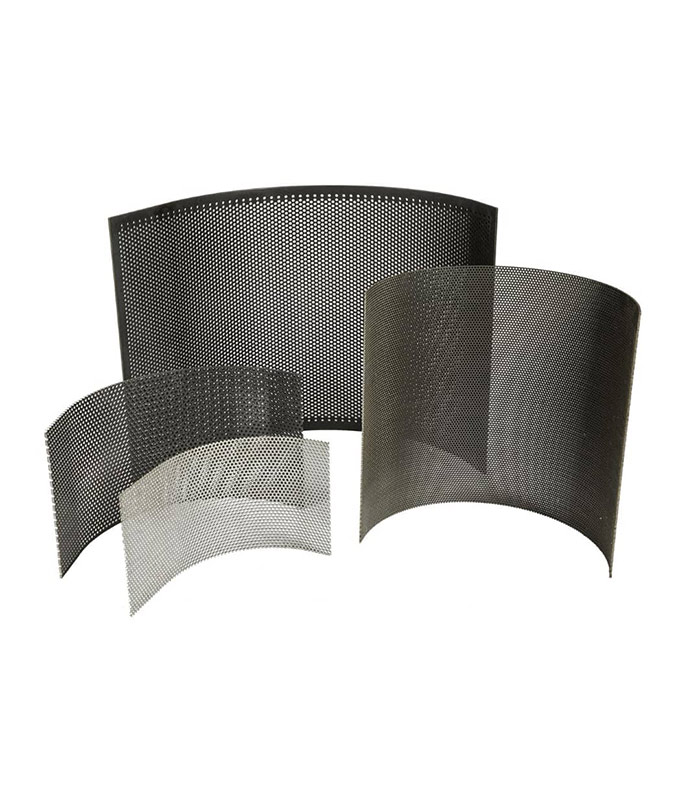
Hammer Mill Screens: High-Quality Components for Precision Grinding are essential for achieving optimal results in various grinding processes. At Silvari group, we understand the significance of these components in enhancing the efficiency and effectiveness of hammer mills. In this article, we will explore how hammer mill plates work, the intricacies of hammer mill screen design, and the importance of hammer mill plates in the grinding process. Additionally, we will discuss the selection of screen aperture for hammer mills, which plays a crucial role in determining the final particle size and product quality.
How Hammer Mill Screens Work
When it comes to hammer mill screens, their proper placement and orientation are crucial factors that significantly affect the overall performance of the mill. These screens are positioned inside the grinding chamber, located between the rotor and the hammers. Their primary function is to control the size and flow of the particles being processed.
The placement of screens within the hammer mill is essential for efficient operation. They should be positioned close to the hammer rotor, yet allow sufficient space for air circulation and the movement of particles. This arrangement ensures effective milling and prevents blockages or excessive wear on the screens.
Additionally, the orientation of the screens plays a vital role in their function. Most hammer mill screens are designed with specific patterns, such as holes or slots of varying sizes. These patterns are meticulously engineered to optimize the milling process and achieve the desired particle size distribution.
Design of Hammer Mill Screens
Size and Shape of Holes:
The size and shape of the holes in hammer mill screens significantly influence the milling process and the final particle size distribution. The hole size refers to the diameter or dimensions of the openings in the screen, which determines the particle sizes that can pass through and affects the overall efficiency of the mill. Smaller hole sizes result in finer particles, while larger holes allow coarser particles to pass through.
Additionally, the shape of the holes also impacts the grinding process. Common shapes include round, square, and slotted openings. Each shape offers its own advantages and is selected based on the specific requirements of the application.
Open Area Percentage:
The percentage of open area in hammer mill screens is another crucial design factor. This refers to the ratio of open space to the total screen surface area. A higher open area percentage means more space for materials to pass through, leading to increased throughput and reduced risk of blockage.
However, it is essential to strike a balance between the open area percentage and the screen strength. A higher open area may result in screens that are more susceptible to damage or wear, compromising their durability and lifespan.
The open area percentage is typically achieved by adjusting the density of the screen holes and the spacing between them. Manufacturers employ advanced techniques and technologies to ensure a consistent open area percentage in their hammer mill screen designs.

Importance of Hammer Mill Screens
Particle Size Control:
One of the primary functions of hammer mill screens is to control the particle size of the ground materials. By carefully selecting the hole sizes of the screens, manufacturers can determine the size of the particles that pass through. This control is crucial for industries that require specific particle sizes for their final products, such as animal feed, biomass fuel, and pharmaceuticals.
Grinding Efficiency:
Hammer mill screens play a vital role in optimizing the grinding efficiency of the mill. They ensure that the materials being processed are evenly distributed throughout the grinding chamber, facilitating consistent grinding and reducing the likelihood of uneven wear on the hammers and other internal components. Properly designed and positioned screens contribute to the efficient reduction of particle size and maintain consistent product quality.
Prevention of Oversized Material:
Larger materials can negatively impact the performance of the hammer mill. If oversized particles are not effectively screened out, they can lead to blockages, decreased output, and increased energy consumption. Hammer mill screens act as a barrier, allowing only appropriately sized particles to pass while retaining larger particles for further grinding or removal.
Flexibility and Adaptability:
Hammer mill screens provide manufacturers with the flexibility to customize their milling processes. With various screen sizes and hole shapes available, producers can tailor the screen design to meet specific application needs. This adaptability enables them to cater to a wide range of industries and materials, ensuring optimal performance and efficiency.
Enhanced Product Quality:
Utilizing the right hammer mill screens contributes to producing high-quality final products. By controlling particle size distribution, manufacturers can achieve consistent product characteristics such as texture, flowability, and digestibility. This is especially important in industries like food processing and animal nutrition, where product quality is paramount.
Extended Equipment Lifespan:
Hammer mill screens also play a critical role in protecting the internal components of the mill. They act as a barrier against abrasive materials, reducing wear and tear on the hammers, rotor, and liners. By preventing excessive damage, screens contribute to the longevity and reliability of hammer mill equipment, resulting in cost savings and reduced downtime.
Selection of Screen Diaphragms for Hammer Mills
- The quality and design of screens have a direct impact on screening efficiency and the lifespan of the screens.
- Screens are available in a precise range of sizes and hole classifications, adhering to industry standards.
- A larger opening ratio of the screens increases the powder production capacity.
- Greater effective surface area utilization of the screens results in higher efficiency.
- Heat treatment enhances the wear resistance of the screens, extending their operational lifespan.
- The size of the screen apertures depends on the required particle size, and screens with larger openings should be selected while considering the durability of the screens.

conclusion
Hammer Mill Screens: High-Quality Components for Precision Grinding are vital for achieving optimal performance in grinding applications. Throughout this discussion, we have highlighted how hammer mill plates work and their role in facilitating effective material processing. The hammer mill screen design is crucial for ensuring uniform particle size, while the importance of hammer mill plates cannot be overstated, as they directly impact efficiency and product quality. Finally, the selection of screen aperture for hammer mills is essential for tailoring the output to specific requirements. For more information and high-quality components, visit us at Silvari group.
Hammer mill screens, also known as hammer mill gratings, are essential components within the hammer mill machinery. They play a crucial role in the particle size reduction process, ensuring the desired final product consistency and quality. These screens are precisely engineered to achieve efficient and uniform grinding by controlling the size of particles that can pass through.
Main Features:
Hammer mill screens boast several key features that make them integral to the functionality of the machinery and indispensable in various industries:
- Material Durability:
Our hammer mill screens are constructed from high-quality materials, ensuring longevity and resistance to wear and tear. This durability is particularly crucial in industries where abrasive materials are processed.
- Precision Aperture Sizing:
These screens are manufactured with precision-engineered apertures, which enable you to control the size of the particles produced during the grinding process. This allows for customized results and consistent final product quality.
- Easy Installation and Replacement:
Silvari Group’s hammer mill screens are designed for ease of installation and replacement, minimizing downtime and maintenance costs. Manufacturers and factory owners appreciate this practical feature.
- Variety of Aperture Shapes:
Our screens come in various aperture shapes, including round, square, and slotted, providing flexibility to cater to specific grinding requirements. This adaptability is a sought-after feature in the manufacturing sectorHammer mill screens are available in several types, each tailored to meet specific industry needs. These types include:
1. Perforated Screens:
Perforated hammer mill screens are characterized by uniformly spaced holes or perforations, enabling a controlled particle size reduction. They are commonly used in the food processing, animal feed, and pharmaceutical industries.
2. Bar Screens:
Bar screens feature parallel bars or rods that create a grating effect. They are well-suited for applications where the material needs to be kept intact or for large-sized materials. These screens find their place in the wood processing and recycling industries.
3. Woven Wire Screens:
Woven wire screens are crafted from interwoven metal wires, providing a robust structure for handling heavy-duty applications. Industries such as mining and aggregates frequently employ these screens.
4. Self-Cleaning Screens:
Self-cleaning screens are designed with special mechanisms to prevent clogging, making them ideal for materials that tend to stick or agglomerate. Agriculture and wastewater treatment are some sectors that benefit from these screens.[/woodmart_text_block]
Advantages of Hammer Mill Screens:
Hammer mill screens offer a multitude of advantages that make them invaluable in manufacturing and various industries:
- Efficient Particle Size Control:
The precise control over particle size allows manufacturers to produce materials that meet specific requirements, ensuring product quality and consistency.
- Versatility:
Hammer mill screens are adaptable to various materials and processing needs, making them versatile components suitable for a wide range of industries.
- Increased Productivity:
Efficient grinding and particle size reduction enhance production efficiency and throughput, reducing operational costs for manufacturers.
- Cost-Effective Maintenance:
The durability and ease of replacement of our hammer mill screens translate to reduced maintenance expenses for factories and manufacturers.
- Customization:
Different types of hammer mill screens offer customization options to cater to the unique demands of different industries.
Product Specifications:
Silvari Group provides a wide range of hammer mill screens with varying specifications. These specifications include:
- Aperture size
- Material composition
- Screen shape and design
- Screen size and dimensions
- Compatibility with different hammer mill models
Our product catalog encompasses an extensive variety of options, ensuring you can find the perfect match for your specific requirements.
Usage in Different Industries:
Hammer mill screens find application in numerous industries, each benefiting from their unique features:
- Food Processing Industry:
In the food processing sector, hammer mill screens are used to grind grains, spices, and other food materials into fine powders or flours. They play a crucial role in producing ingredients for baked goods, seasonings, and more.
- Animal Feed Industry:
Hammer mill screens are integral to the manufacturing of animal feed, where they are employed to reduce raw materials like corn and grains into smaller particles suitable for consumption by livestock.
- Pharmaceutical Industry:
Pharmaceutical manufacturers rely on hammer mill screens for particle size reduction in the production of pharmaceutical powders and granules. The precision of these screens ensures product uniformity.
- Wood Processing Industry:
For wood processing and the manufacture of wood-based products, bar screens are used to reduce wood chips and sawdust into fine particles suitable for further processing.
- Mining and Aggregates Industry:
Woven wire screens are essential in the mining and aggregates industry, where they are utilized for sizing and separating various minerals, ores, and construction aggregates.
- Agriculture:
Agriculture benefits from self-cleaning screens, particularly in crop and seed processing. The prevention of clogs and blockages helps maintain the efficiency of agricultural machinery.
- Wastewater Treatment:
In wastewater treatment plants, self-cleaning screens help remove debris and larger particles from incoming wastewater, preventing clogs in the treatment process.
Brief Reference to the Category of Product:
Hammer mill screens belong to the category of “Machinery and Mechanical Appliances” within the manufacturing and industrial equipment sector. They are critical components that facilitate particle size reduction and material processing across a wide range of industries, making them an essential element of modern manufacturing processes.
In conclusion
Silvari Group’s hammer mill screens are indispensable tools for numerous industries, offering precision, versatility, and durability. Whether you are involved in food processing, agriculture, pharmaceuticals, or any other sector, these screens contribute to enhancing product quality, increasing efficiency, and reducing operational costs. Their adaptability and customization options make them an excellent choice for manufacturers and factories seeking to optimize their processes and stay ahead in their respective industries.