


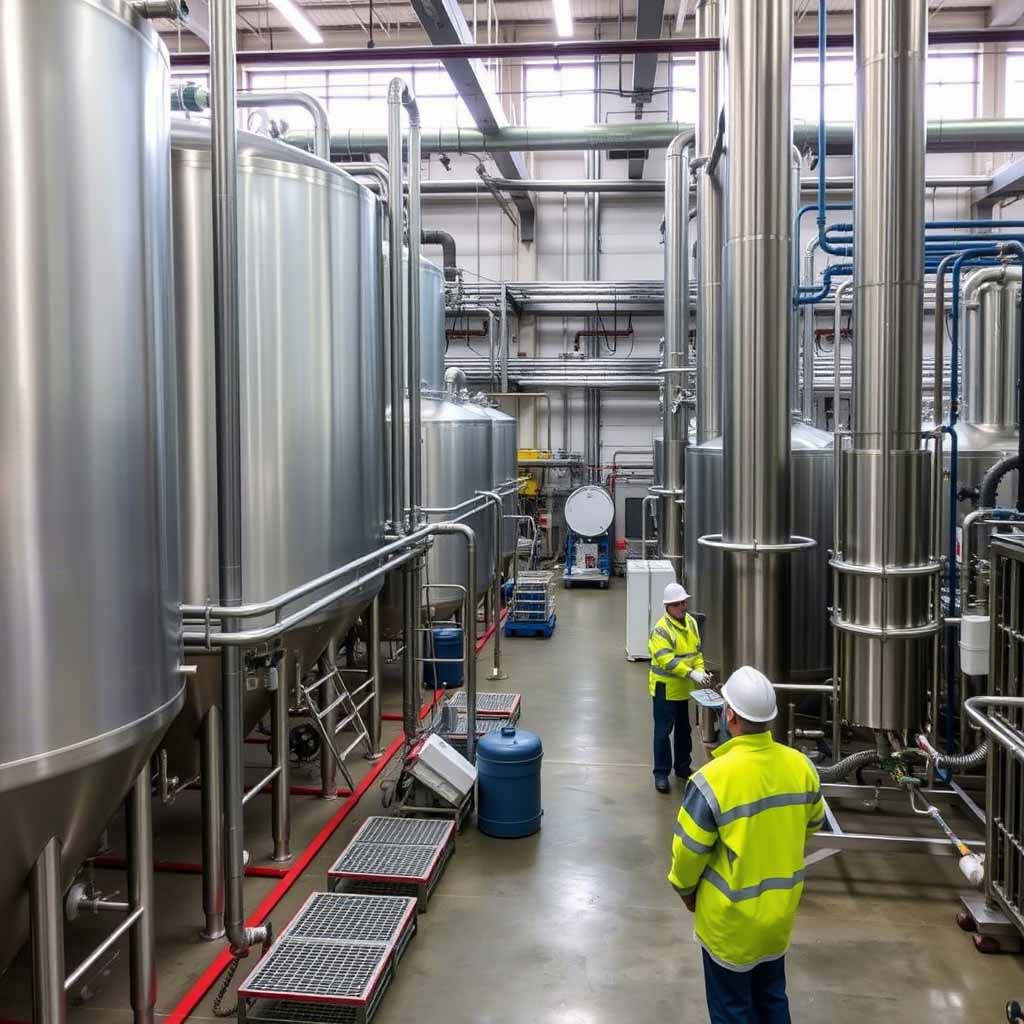
Ethanol production is evolving with new methods that improve efficiency, sustainability, and cost-effectiveness. Traditional fermentation remains important, but advancements such as cellulosic ethanol, genetically engineered microbes, and electrochemical conversion are transforming the industry. These innovations help reduce reliance on fossil fuels and minimize environmental impact. New methods for ethanol production focus on increasing yield, using non-food biomass, and improving energy efficiency. As global demand for biofuels grows, industries and researchers continue to explore cutting-edge technologies to enhance ethanol production. We will explore these new methods, their benefits, and their role in shaping the future of renewable energy.
Click to use Silverigroup personal shopper services
Understanding Ethanol Production
Ethanol production is the process of converting organic materials into ethanol, a renewable biofuel widely used in transportation, industrial applications, and alcoholic beverages. Traditionally, ethanol is derived from fermenting sugars found in crops like corn and sugarcane. However, new methods now utilize cellulosic biomass, algae, and even industrial waste to produce ethanol more sustainably. The production process involves several key stages, including fermentation, distillation, and dehydration, to achieve the desired purity. As global demand for cleaner energy sources grows, ethanol has become a crucial alternative to fossil fuels. Advancements in technology are improving efficiency, reducing costs, and making ethanol production more environmentally friendly.
| Feature | Description |
|---|---|
| Definition | Producing ethanol from organic materials via fermentation and purification. |
| Raw Materials | Corn, sugarcane, biomass, algae, and waste. |
| Uses | Biofuel, industry, pharmaceuticals, and beverages. |
| Key Steps | Fermentation, distillation, dehydration. |
| Sustainability | Reduces greenhouse gas emissions. |
| Economic Impact | Supports agriculture and energy sectors. |
| Energy Output | Cleaner alternative to gasoline. |
| Global Demand | Rising with renewable energy focus. |
New Methods for Ethanol Production
Ethanol production is evolving with innovative methods that enhance efficiency, sustainability, and yield. Advances like synthetic biology, electrochemical conversion, and microbial fuel cells are transforming the industry. In the following sections, we explore these new methods and their potential impact on biofuel production.

1. Cellulosic Ethanol Production
This method uses non-food plant materials like agricultural waste, wood chips, and grasses. Enzymes break down cellulose into fermentable sugars, which are then converted into ethanol. Cellulosic ethanol reduces competition with food crops and lowers greenhouse gas emissions, making it a more sustainable alternative to traditional corn-based ethanol. However, challenges include high production costs and the need for advanced enzymatic technologies. Ongoing research aims to improve efficiency, making this method more commercially viable for large-scale ethanol production.
Click to buy citric acid from Silvairgroup
2. Algae-Based Ethanol Production
Algae are a promising feedstock for ethanol due to their high growth rate and ability to thrive in various environments. They absorb carbon dioxide and convert it into biomass, which can be processed into ethanol. This method requires less land and water compared to traditional crops. Advanced biotechnological techniques, such as genetic modifications, can enhance algae’s ethanol yield. The main challenge is the high cost of cultivation and extraction, but continuous research is working on making algae-based ethanol a feasible large-scale alternative.
3. Gasification and Synthetic Biology Approaches
Gasification converts biomass or waste into syngas, a mixture of carbon monoxide and hydrogen, which is then processed into ethanol using specialized catalysts. This method allows ethanol production from a wide range of raw materials, including municipal waste and forestry residues. Additionally, synthetic biology involves genetically engineered microorganisms designed to optimize ethanol production. These microbes can ferment unconventional feedstocks, improving yields and efficiency. Both methods hold great potential for reducing waste and enhancing ethanol production sustainability, though further advancements are needed to make them more cost-effective and scalable.
4. Electrochemical Ethanol Production
This method utilizes electricity and advanced catalysts to convert carbon dioxide (CO₂) and water into ethanol through an electrochemical reaction. It offers a promising approach to producing ethanol while simultaneously reducing greenhouse gas emissions. Using renewable energy sources like solar or wind power can make this process even more sustainable. The key challenge is improving catalyst efficiency and scaling up production for industrial use. Currently, researchers are developing more effective catalysts, such as copper-based materials, to enhance ethanol yield. If optimized, this method could revolutionize ethanol production by turning excess CO₂ into a valuable fuel, contributing to a carbon-neutral energy cycle.
Click to buy Beluga Fresh Frozen from Silverigroup
5. Microbial Fuel Cells (MFCs) for Ethanol Production
Microbial fuel cells (MFCs) use specific microorganisms to break down organic matter while generating electricity and producing ethanol. The microbes consume biomass, such as agricultural waste, and convert it into energy and biofuels through their metabolic processes. This dual-purpose system improves overall energy efficiency and sustainability. Additionally, MFCs can operate under mild conditions, reducing energy input compared to traditional fermentation. However, optimizing microbial strains and improving energy output remain key challenges. Scientists are exploring ways to enhance electron transfer efficiency and microbial productivity. With further research and development, MFCs could provide an eco-friendly alternative for ethanol production while also generating additional energy.
6. Hydrothermal Liquefaction (HTL) for Ethanol
Hydrothermal liquefaction (HTL) is a process that converts wet biomass into bio-oil using high temperatures (200–400°C) and pressure (up to 25 MPa). Unlike traditional bioethanol methods that require drying the feedstock, HTL processes wet biomass directly, reducing energy costs. The bio-oil produced in this process can be further refined and fermented into ethanol or other biofuels. One key advantage of HTL is its ability to process a wide range of feedstocks, including algae, forestry waste, and agricultural residues. However, challenges include improving yield efficiency, optimizing catalysts, and scaling up production. If refined further, HTL could become a major player in next-generation bioethanol production.
7. CRISPR-Enhanced Microorganisms for Ethanol Production
CRISPR gene-editing technology is transforming ethanol production by enhancing the efficiency of ethanol-producing microorganisms such as yeast and bacteria. By modifying genes responsible for sugar metabolism, scientists can create strains that produce ethanol more efficiently, tolerate higher alcohol concentrations, and utilize a broader range of feedstocks. CRISPR allows precise genetic modifications, making it possible to boost ethanol yield and shorten fermentation times. Additionally, engineered microbes can convert non-traditional sugars, such as those found in agricultural waste, into ethanol. However, regulatory concerns and public perception of genetically modified organisms (GMOs) remain challenges for widespread adoption. With continued research, CRISPR-enhanced microbes could significantly improve bioethanol production efficiency.
Comparison of Methods for Ethanol Production
Traditional methods, such as fermentation, have served the industry for decades, but new approaches like synthetic biology, electrochemical conversion, and microbial fuel cells offer distinct advantages. This comparison provides insights into which method might lead the way in sustainable ethanol production for the future.
-
Fermentation from Biomass
- Traditional method using yeast to ferment sugars;
- High scalability and well-established process;
- Challenges: Dependent on feedstock availability and land use.
-
Cellulose Fermentation
- Uses enzymes to break down cellulose into fermentable sugars;
- More sustainable by using non-food plants;
- Challenges: Expensive enzyme production and slower conversion process.
-
Algae-Based Production
- Utilizes algae to produce ethanol directly or indirectly through biomass;
- High potential for carbon capture and renewable resources;
- Challenges: Requires large-scale infrastructure and higher costs.
-
Synthetic Biology
- Genetic modification of microorganisms to enhance ethanol production;
- High precision in increasing yields from a variety of feedstocks;
- Challenges: Regulatory hurdles and high initial investment.
-
Electrochemical Conversion
- Converts renewable resources like CO2 directly into ethanol;
- Can reduce carbon emissions, offering a sustainable path;
- Challenges: Requires specialized equipment and is still in early stages.
-
Microbial Fuel Cells (MFCs)
- Generates electricity while producing ethanol from organic waste;
- Dual benefit of power generation and biofuel production;
- Challenges: Lower efficiency and scalability issues.
-
Gas Fermentation
- Uses gases like CO2 and hydrogen to produce ethanol;
- Works well with industrial waste gases and offers a carbon-negative solution;
- Challenges: Expensive infrastructure and low yield efficiency.
Each method presents unique advantages and challenges in terms of sustainability, scalability, and cost-effectiveness, requiring ongoing research for optimization and broader application.

Government Policies and Incentives for Advanced Ethanol Production
Governments worldwide play a critical role in advancing ethanol production through supportive policies and incentives. Key actions include:
-
Subsidies and Grants: Governments provide financial support to research and development, enabling innovation in advanced ethanol production methods. This helps reduce costs and accelerate the commercialization of new technologies;
-
Tax Credits and Exemptions: In many countries, ethanol producers benefit from tax credits and exemptions, lowering production costs and encouraging investment in sustainable practices;
-
Renewable Fuel Standards (RFS): Policies like the RFS in the U.S. mandate a minimum percentage of ethanol in transportation fuels, ensuring consistent demand and stimulating growth in the industry;
-
Environmental Regulations: Stringent environmental policies support cleaner production processes, incentivizing the adoption of methods that reduce carbon footprints and promote sustainable energy production.
These policies are crucial for scaling up advanced ethanol production, reducing reliance on fossil fuels, and driving the global transition to greener energy sources.
Conclusion
In conclusion, the future of ethanol production lies in adopting innovative methods that improve efficiency, sustainability, and environmental impact. By exploring alternative feedstocks, enhancing fermentation technologies, and utilizing advanced techniques like genetically engineered microorganisms and algae-based production, we can create more efficient and eco-friendly solutions. Government support and technological advancements are crucial to fostering these new methods, paving the way for cleaner energy sources. As we continue to innovate, ethanol production will play a key role in addressing global energy challenges and reducing dependence on non-renewable resources.
FAQ
What are the different methods of ethanol production?
Ethanol production includes methods like fermentation of sugars, cellulose hydrolysis, algae-based processes, and genetically engineered microorganisms. Each method offers distinct advantages in terms of feedstock sources, environmental impact, and scalability.
What are the recent developments of ethanol?
Recent developments in ethanol production include improvements in feedstock varieties, advancements in genetic engineering for microorganism efficiency, and the use of algae to produce ethanol. These innovations aim to increase yields and reduce the carbon footprint of the process.
Which is the most sustainable way to make ethanol?
The most sustainable ethanol production methods focus on using non-food feedstocks such as agricultural waste or algae. These methods reduce competition with food production, lower carbon emissions, and improve energy efficiency, contributing to a more sustainable ethanol industry.