


Carpet fabric refers to the material used to make carpets, including the fibers, backing, and padding. This material is a key determinant in a carpet’s appearance, durability, texture, and performance. Carpet fabric can be made from a variety of fibers, both natural and synthetic, and can come in various textures, pile heights, and patterns. The type of carpet fabric selected depends on factors such as the intended use, traffic levels, aesthetic preferences, and budget. For companies like Silvari Group, which purchases carpets from manufacturers and distributes them globally, understanding the complexities of carpet fabric is crucial for ensuring quality products are provided to customers across different markets.
Click to use Silverigroup personal shopper services
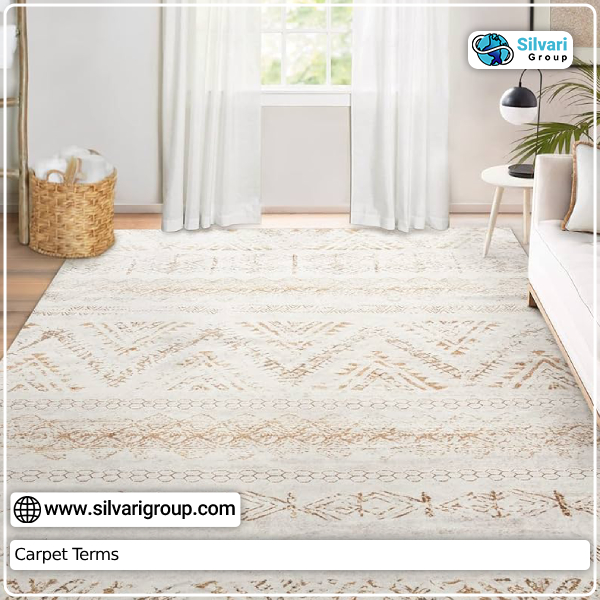
Carpet Terms
To better understand carpet fabric, it’s essential to familiarize ourselves with some common carpet-related terms:
- Pile: The raised surface of the carpet, created by the fibers that are either looped or cut. The pile contributes to the carpet’s softness and durability.
- Density: The number of fibers per square inch, which affects the carpet’s comfort, durability, and overall feel.
- Tufting: The process of stitching fibers into a backing material to form the carpet’s pile.
- Backing: The foundation material that holds the fibers in place, typically made from jute, polyester, or polypropylene.
- Face weight: The weight of the fibers in the carpet, usually measured in ounces per square yard, which indicates the carpet’s durability.
Carpet Construction Basics
Carpet construction refers to how the carpet is made, which involves several key processes. The construction process plays a significant role in determining the overall quality and performance of the carpet. The two main methods of carpet construction are:
- Tufted Construction: The most common method of carpet production, where fibers are inserted into a backing material using needles. This process is fast and cost-effective.
- Woven Construction: This traditional method involves weaving the fibers into the backing material, similar to how fabric is made. Woven carpets tend to be more durable but are more expensive and time-consuming to produce.
Click to buy antique rugs from Silverigroup
Both construction methods affect the carpet’s texture, durability, and price, with tufted carpets typically being more affordable and woven carpets offering a premium feel.
Carpet Fibers and Pile Options
Carpet fibers are the building blocks of any carpet and can be made from both natural and synthetic materials. The choice of fiber influences the carpet’s texture, appearance, and longevity. Pile refers to the carpet’s surface texture, which can either be looped or cut. The two main pile options are:
- Loop pile: The fibers are uncut and looped to form a smooth, even surface. This type of pile is durable and resistant to wear, making it suitable for high-traffic areas.
- Cut pile: The fibers are sheared to create a soft, plush texture. This type of pile adds luxuriousness and comfort to the carpet but may wear faster in high-traffic areas.
Some carpets combine both loop and cut piles to create unique patterns or textures.
The Different Types of Carpet Fabric
Carpet fabric can be classified based on the materials used for the fibers. The two main categories of carpet fibers are natural fibers and synthetic fibers. Each type of fiber has its benefits and considerations, influencing the final product’s look, feel, and performance.

- Wool Carpet Fabric
- Nylon Carpet Fabric
- Polyester (PET) Carpet Fabric
- Triexta (PTT) Carpet Fabric (Smartstrand, Corterra)
- Polypropylene (Olefin) Carpet Fabric
- Acrylic Carpet Fabric
- Cotton Carpet Fabric
- Sisal and Seagrass Carpet Fabrics
- Blended Carpet Fabric (Natural + Synthetic)
- Performance Carpet Fabrics (Specialty Fibers)
Click to buy citric acid from Silvairgroup
Different Types of Carpet Material
The material of the carpet is primarily determined by the fiber used, but it also includes the backing and any added features, such as padding. Common carpet materials include:
- Wool: A natural fiber, known for its luxurious feel, insulation properties, and durability.
- Nylon: A synthetic fiber that is both strong and resilient, offering a good balance of performance and affordability.
- Polyester: A synthetic fiber that is affordable and available in a wide range of colors and textures.
- Olefin (Polypropylene): A synthetic fiber that is resistant to stains and moisture, making it a good choice for outdoor carpets.
Manmade vs. Natural Carpet Fibers
When choosing carpet materials, buyers must consider the differences between manmade (synthetic) and natural fibers.
- Manmade fibers like nylon, polyester, and olefin are typically more affordable and offer greater resistance to stains, moisture, and fading. They tend to be more versatile in design and can mimic the look of natural fibers at a lower cost.
- Natural fibers like wool and cotton offer superior comfort and aesthetic appeal but are more expensive and may require more care. Wool, for example, is naturally stain-resistant and long-lasting, but it can be more sensitive to moisture and may need specialized cleaning.
The Best Carpet Material
The best carpet material depends on the specific needs and preferences of the consumer. For high-traffic areas, nylon is often considered the best choice due to its durability and stain resistance. For a luxurious feel and natural appeal, wool is unmatched. If cost is a major consideration, polyester offers an affordable option that still provides softness and style. Olefin is ideal for moisture-prone areas like basements or outdoor spaces, thanks to its water-resistant properties.
Click to buy antique products from Silverigroup
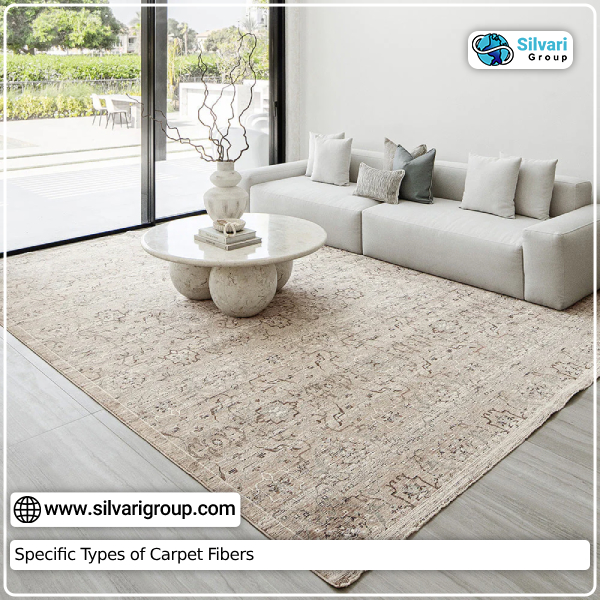
Specific Types of Carpet Fibers
Each type of carpet fiber has unique features that make it suitable for specific uses. Here are some of the most common fiber types:
-
Nylon Carpet Fiber
Nylon is one of the most widely used carpet fibers due to its strength, resilience, and stain resistance. It is highly durable and resistant to abrasion, making it ideal for high-traffic areas. Nylon is also easy to clean and maintain, which makes it a popular choice for both residential and commercial applications.
-
Polyester (PET) Carpet Fiber
Polyester is another synthetic fiber known for its softness and vibrant color retention. While polyester carpets are generally less durable than nylon, they offer an affordable option for homes and light-use areas. Polyester carpets are also resistant to fading and stains, making them suitable for spaces with moderate foot traffic.
lick to buy industrial products from Silverigroup
-
PTT (Triexta Polyester) Carpet Fibers – also known as Smartstrand and Corterra
PTT is a newer type of polyester fiber that is more durable and resilient than standard polyester. Often branded as Smartstrand or Corterra, PTT offers excellent stain resistance, softness, and strength. It’s a sustainable option, as it is made from renewable resources, and it’s particularly known for its ability to resist permanent stains and maintain its appearance over time.
-
Polypropylene or Olefin Carpet Fiber
Olefin (also known as polypropylene) is an inexpensive and stain-resistant carpet fiber, ideal for areas where moisture may be a concern. It is frequently used in outdoor and commercial carpets due to its resistance to mildew, mold, and water. However, olefin carpets may not be as durable as nylon and can show wear more quickly in high-traffic areas.
-
Wool Carpet
Wool is the ultimate natural carpet fiber, offering luxurious softness and natural stain resistance. Wool carpets are durable, long-lasting, and provide excellent insulation. However, wool is also more expensive than synthetic fibers and requires more maintenance, such as professional cleaning and moisture protection.
Carpet Padding
Carpet padding plays an important role in enhancing the comfort, durability, and performance of a carpet. It provides cushioning underfoot, helps with noise reduction, and increases the lifespan of the carpet by reducing wear. The quality of the padding can vary based on the material used, with options including foam, rubber, and felt. Proper padding is essential for maintaining the carpet’s appearance and feel over time.
Conclusion
Understanding what carpet fabric is and the different types of carpet fibers available is essential for making an informed purchase, whether you’re a distributor like Silvari Group or a homeowner. By considering factors such as material type, construction method, and intended use, businesses can provide high-quality carpets that meet customer needs across a variety of markets. From luxurious wool to affordable polyester and durable nylon, there are numerous carpet options to suit any environment, ensuring that carpets remain a fundamental part of interior design for years to come.