


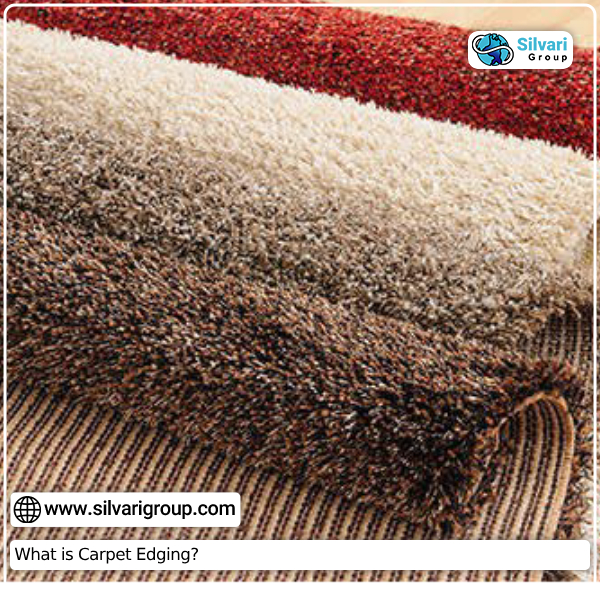
Carpet edging refers to the technique used to finish the edges of a carpet or rug to prevent fraying, enhance its aesthetic appeal, and prolong its lifespan. It involves applying a strip of material or binding around the carpet’s edges, securing the fibers and providing a clean, polished look. Carpet edging also plays an important functional role by offering protection from damage caused by wear and tear at the borders. This finishing process is commonly used in both carpet manufacturing and after-market rug cutting, as it ensures a neater, more durable edge that can withstand regular foot traffic.
Click to use Silverigroup personal shopper services
Why Edge a Carpet?
Carpet edging serves several key purposes. Primarily, it helps to prevent the carpet from unraveling by securing the fibers at the edges. Without proper edging, the edges of a carpet can start to fray, compromising the overall quality of the rug. Edging also enhances the visual appeal of the carpet by giving it a more finished, professional look. Additionally, carpet edging adds durability to the rug, providing protection against moisture, dirt, and wear. For many homeowners, businesses, and interior designers, edging is an essential step in the rug manufacturing process to ensure the carpet not only lasts longer but also complements the room’s decor.

Types of Carpet Edging
There are several types of carpet edging techniques, each with its unique qualities. The choice of edging depends on factors such as style preference, material, and durability requirements.
Click to buy antique rugs from Silverigroup
· Carpet Binding
Carpet binding involves the application of a fabric strip (often made of cotton, polyester, or nylon) around the edge of the carpet. This binding is sewn or glued in place to prevent the edges from fraying. Carpet binding is the most common and widely used technique for finishing carpets, as it provides a clean, structured edge and comes in various colors and textures to match the rug’s design.
· Wool Binding, Serging, or Overlocking
This method involves sewing a woolen yarn around the carpet edges to create a distinctive, textured finish. Wool binding, also known as serging or overlocking, adds a natural, elegant touch to the carpet while effectively preventing the edges from unraveling. The woolen yarn can be color-matched to the carpet or contrasted for a more dramatic effect.
· Narrow Tape Binding or Narrow Tape Hemming
Narrow tape binding involves using a thin strip of fabric (often nylon or cotton) to cover the edges of the carpet. This technique provides a more discreet, minimalist finish compared to other methods. Narrow tape binding is particularly popular for high-end rugs where the focus is on the quality and texture of the carpet itself, rather than the edging.
· Slimline Tape Binding
Slimline tape binding is similar to narrow tape binding but with a slightly slimmer profile. This technique provides a sleek and modern finish to the carpet. It is often used in contemporary designs where subtlety and sophistication are key. Slimline tape binding can be used for both decorative and functional purposes.
· Woollen Fringing and Tassel Finish
Woolen fringing and tassels are popular finishing options for area rugs or smaller carpets. This technique involves attaching fringe or tassels made from wool or synthetic fibers to the edges of the carpet. Woolen fringing adds a soft, decorative touch that enhances the carpet’s overall appearance. Tassels, typically found in traditional or boho styles, offer a more playful or artistic finish.
· Carpet Tape Binding (7.5 cm)
Carpet tape binding of 7.5 cm width is commonly used for creating a broader, more visible edge around a carpet. The tape, usually made of durable fabric or synthetic material, is applied to the edges using either glue or stitching. This type of edging is suitable for high-traffic areas where durability is paramount.
Click to buy citric acid from Silvairgroup
· Carpet Tape Binding (12.7 cm)
Carpet tape binding with a 12.7 cm width offers an even more substantial and visible edge. This technique is often used for large area rugs or carpets where a bold, prominent finish is required. It provides additional strength and protection at the edges while adding an elegant border to the carpet’s overall design.

Carpet Edging Process
The carpet edging process typically involves several stages. First, the carpet is cut to the desired shape and size. Next, the edges are prepared by trimming any excess fibers or threads. Once the edges are smooth and uniform, the chosen edging technique (binding, serging, or tape binding) is applied. This process can be done manually using a sewing machine or by applying adhesive for easier installation. The final step involves inspecting the edging for any defects, ensuring that the finish is neat and securely attached.
Carpet Binding Finishes
Carpet binding finishes can vary depending on the materials and techniques used. The finish will affect the durability, texture, and overall look of the carpet. A high-quality finish ensures that the edging remains intact for years, preventing fraying, fading, or detachment. The choice of binding material (such as cotton, wool, or synthetic fibers) plays a significant role in the final appearance of the carpet.
Click to buy antique products from Silverigroup
Edging Options and Finishing Techniques
· Textures & Materials
When selecting an edging material, the texture and material should complement the carpet’s overall design. Soft wool blends work well with traditional or rustic carpets, while synthetic materials such as nylon or polyester are ideal for modern or high-traffic areas.
· Color Scheme
The color of the edging should match or contrast with the carpet itself. Neutral tones such as beige, black, or brown provide a classic finish, while vibrant colors or patterned bindings can create a bold statement. Designers often choose contrasting colors to highlight the edges and add visual interest.
· Corners
Corners are a critical part of carpet edging. Properly mitered or rounded corners ensure that the binding lies flat and does not wrinkle or bunch up. The way corners are finished can significantly affect the overall quality and appearance of the carpet.
Things to Know About Carpet Edging & Binding
Carpet binding is an essential part of the rug-making process, but it requires attention to detail. Different types of binding materials and techniques can offer varying degrees of durability and aesthetic appeal. It is important to choose the right edging based on the carpet’s use, the desired appearance, and the expected level of wear and tear.

Carpet Binding Costs
The cost of carpet binding depends on several factors, including the type of edging used, the size of the carpet, and the complexity of the design. Typically, simpler techniques such as narrow tape binding are more affordable, while premium options like wool serging or custom color matching can increase the price. For large or high-end projects, the cost may also include labor and shipping charges.
lick to buy industrial products from Silverigroup
How Long Will Carpet Binding Last?
The durability of carpet binding depends largely on the quality of the materials used and the frequency of foot traffic. High-quality bindings made from durable fabrics or wool can last for many years, while lower-quality options may wear out more quickly. Regular maintenance, such as cleaning and avoiding excessive wear, can also prolong the life of carpet binding.
Considerations for Carpet Binding
When choosing carpet binding, consider factors such as durability, color, texture, and the specific needs of the room or environment. For instance, commercial spaces may require more robust binding materials to withstand heavy foot traffic, while residential rugs may prioritize aesthetic appeal.
Where to Get a Rug Cut & Bound?
For those looking to have their carpet or rug custom-cut and bound, many professional rug shops and carpet retailers offer this service. Silvari Group, known for its global distribution network, provides these services, ensuring that customers can have their rugs expertly finished with the ideal binding techniques.
Conclusion
Carpet edging is a crucial step in both rug design and maintenance. Whether for residential, commercial, or decorative purposes, choosing the right type of edging ensures that the carpet will maintain its beauty, functionality, and durability over time. With a variety of options available, from simple tape bindings to luxurious wool fringing, Silvari Group provides an excellent range of choices for customers looking to enhance their rugs. Whether you’re buying in bulk for a business or designing a custom rug for your home, the right edging technique can make all the difference.