


Sorbates (Preservatives)

Silvari Group provides access to a complete range of sorbates, including sorbic acid, potassium sorbate, calcium sorbate, and sodium sorbate.
Potassium Sorbate should be sourced from a supplier that can provide the required grade, consistent quality, technical documentation, and reliable delivery for your application. For food & nutrition manufacturers, this typically means sourcing Food Grade Potassium Sorbate (E202) with documented purity, batch-specific COA, appropriate packaging, and regulatory documentation for the European market. For B2B buyers, supplier capability is just as important as the material itself: availability, MOQ, delivery location, specifications, and documentation can directly affect production planning and compliance.
This page covers the key technical and purchasing considerations for Potassium Sorbate, including its properties, applications, E202 designation, quality requirements, packaging, certifications, European regulatory considerations, and comparison with other commonly used preservatives. Buyers can also evaluate what to request from a potassium sorbate supplier before placing a bulk order.
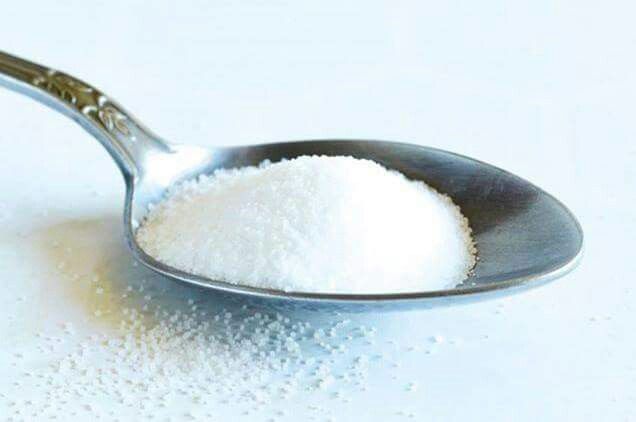
Table of Contents
ToggleApplications

Food & Beverage: Widely used in baked goods, dairy, confectionery, processed and refrigerated foods, and related products to inhibit mold, yeast, and selected bacteria.
Applied in juices, soft drinks, beer, and wine to protect against microbial spoilage and extend shelf life.

Pharmaceuticals & Personal Care: Applied into creams, lotions, ointments, shampoos, and other topical formulations to maintain microbial stability and product integrity.

Pharmaceuticals & Personal Care: Applied to creams, lotions, ointments, shampoos, and other topical formulations to maintain microbial stability and product integrity.
Features
Some common features of sorbates include:
- Broad-spectrum antimicrobial and antifungal efficacy
- Neutral taste and odor, colorless at use concentrations
- High solubility and compatibility in aqueous systems
- Thermal stability suitable for common processing conditions
Available Products & Forms
- Sorbic Acid (C6H8O2) – A naturally occurring food preservative widely used in foods, beverages, and pharmaceuticals.
- Potassium Sorbate (E202) – Highly soluble and commonly used in foods, beverages, and personal care products; preferred where rapid dissolution and pH compatibility are required.
- Calcium Sorbate (E203) – Valued for thermal stability and antioxidant characteristics; offered in food and specialty grades for applications where the calcium salt is advantageous.
- Sodium Sorbate (E201) – Water-soluble salt suitable for specific food and non-food preservation applications where stability and uniform dispersion in liquid systems are essential.
All the above-mentioned products are available in both powdered and granular forms.
Technical Identification
Sorbic Acid (C6H8O2)
- CAS Number: 110-44-1
- EC Number: 203-768-7
Potassium Sorbate (E202)
- CAS Number: 24634-61-5
- EC Number: 246-376-1
Calcium Sorbate (E203)
- CAS Number: 7492-55-9
- EC Number: 231-321-6
Sodium Sorbate (E201)
- CAS Number: 127-44-4
- EC Number: 204-783-0
Regulatory Status
All sorbates supplied through Silvari Group are produced and managed under recognized quality systems and comply with relevant international regulations.
- Food-grade materials align with EU food additive regulations (E200–E203), Codex Alimentarius, and Food Chemicals Codex (FCC) specifications.
- Pharmaceutical and cosmetic grades meet applicable pharmacopeial and industry standards.
- Technical documentation and product certificates are provided to verified clients on request.
Silvari Group provides access to sorbate products, offering consistent quality and stability. Our portfolio of Sorbic Acid (C6H8O2), Potassium Sorbate (E202), Calcium Sorbate (E203), and Sodium Sorbate (E201) is supported by controlled quality systems and reliable logistics, helping manufacturers maintain product safety, shelf life, and compliance across food, beverage, pharmaceutical, and personal care markets.
What Is Potassium Sorbate?
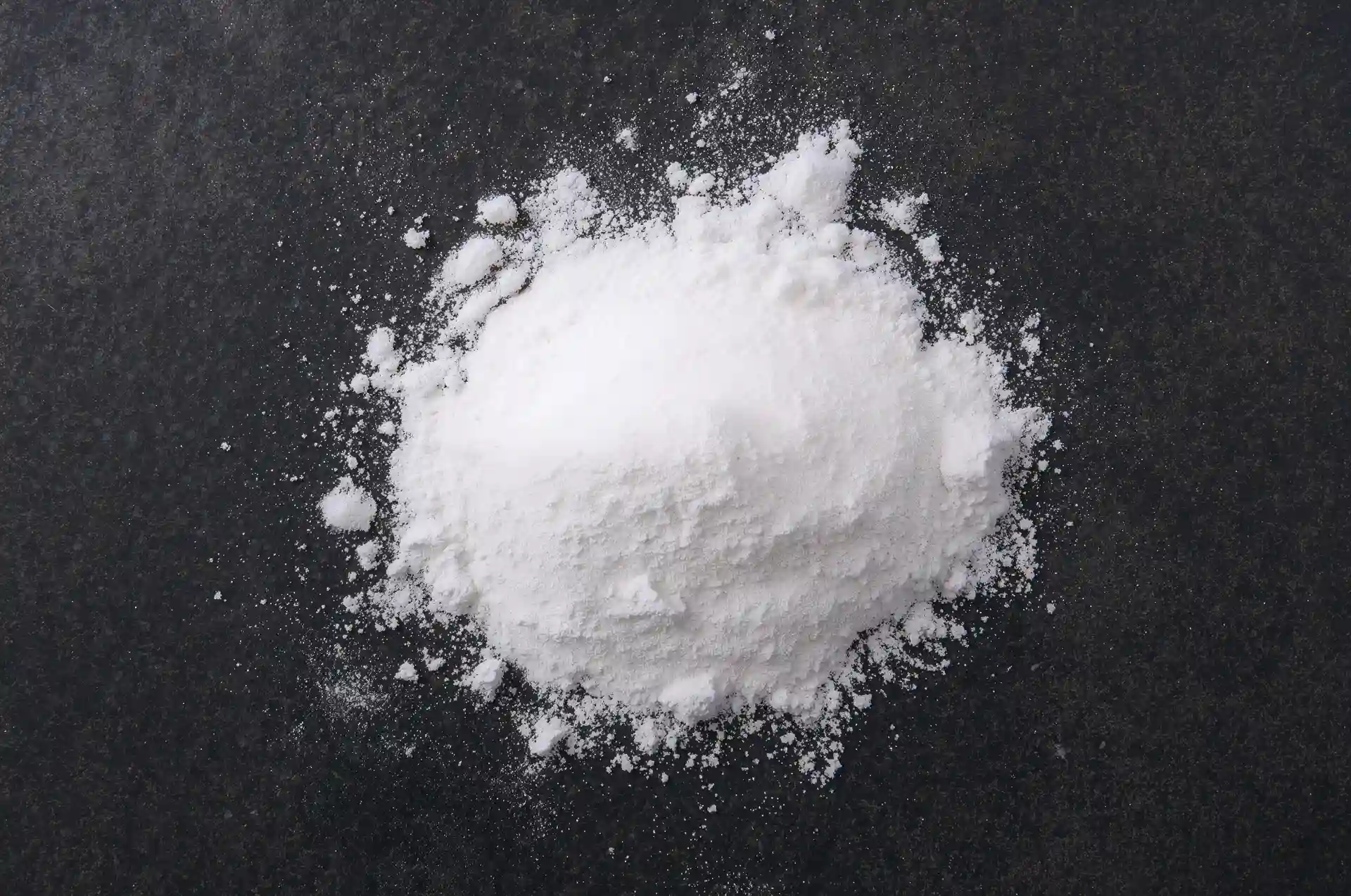
Potassium Sorbate is the potassium salt of sorbic acid and is widely used as a preservative because of its ability to inhibit the growth of many yeasts and moulds. Chemically, it is an unsaturated organic salt and is commonly supplied as a white crystalline powder or granulated solid.
Its preservative function is closely related to sorbic acid. In aqueous systems, an equilibrium exists between potassium sorbate and sorbic acid, and antimicrobial effectiveness is influenced by the pH of the formulation. This makes application conditions important when selecting dosage and product grade.
Property | Potassium Sorbate |
Chemical Name | Potassium Sorbate |
Chemical Formula | C₆H₇KO₂ |
CAS Number | 24634-61-5 |
E Number | E202 |
Appearance | White to off-white crystalline powder or granules |
Function | Preservative |
For B2B procurement, Potassium Sorbate is not simply purchased as a generic chemical. Buyers normally specify the intended application, required grade, purity, packaging format, documentation, and delivery requirements. Food manufacturers may require Food Grade Potassium Sorbate compliant with applicable food-additive specifications, while cosmetic or industrial applications can have different regulatory and technical requirements.
Potassium Sorbate Chemical Formula and CAS Number
The chemical formula of Potassium Sorbate is C6H7KO2. Its commonly referenced CAS number is 24634-61-5, while its EC number is 246-376-1. ECHA identifies the substance as potassium (2E,4E)-hexa-2,4-dienoate.
These identifiers are particularly important in B2B purchasing because they provide an unambiguous way to identify the substance across technical specifications, safety documentation, regulatory databases, customs documentation, and supplier records.
When requesting a quotation, buyers should provide the chemical name and CAS number together with the required grade. This helps prevent confusion between potassium sorbate, sorbic acid, and other sorbate salts. The specification should also clearly state whether the material is intended for food, pharmaceutical, cosmetic, or another application.
Potassium Sorbate E202: What Does E202 Mean?
E202 is the European food additive number assigned to Potassium Sorbate. The designation indicates that the substance is recognised within the EU regulatory framework for food additives and, where authorised, can be used under the applicable conditions of use.
Potassium Sorbate is regulated within the European Union’s food-additive framework established by Regulation (EC) No 1333/2008. The regulation sets out authorised food additives, applicable food categories, conditions of use, and related requirements.
Therefore, E202 is not a different chemical from Potassium Sorbate. Potassium Sorbate and E202 refer to the same food additive when the substance is supplied for this regulated food-additive use. Buyers searching for “Sorbate E202” are generally looking for the food-grade form of potassium sorbate.
Potassium Sorbate Properties and Characteristics
Potassium Sorbate is typically supplied as a white to off-white crystalline powder or granulated material. It is valued in formulations because it can be incorporated into aqueous systems and provides preservative activity, particularly against yeasts and moulds.
Its performance depends strongly on formulation conditions. pH, water activity, product composition, processing conditions, and the presence of other formulation ingredients, such as emulsifiers like Lecithin, can influence how a finished product is formulated and preserved. Consequently, a specification should not be interpreted as a guarantee of performance in every formulation.
For industrial buyers, consistency is critical. Important characteristics can include assay or purity, moisture, impurities, particle characteristics, solubility, and microbiological quality where relevant. The exact acceptance criteria should be agreed between buyer and supplier before commercial supply.
Potassium Sorbate Applications
Potassium Sorbate is used across several industries because its preservative properties can help control microbial spoilage in suitable formulations. Food and beverage production represents one of its most established applications, while cosmetic and pharmaceutical formulations may also use the ingredient under their respective regulatory frameworks.
The appropriate grade and specification depend on the end use. A buyer should therefore select a product according to application rather than assuming that one specification is automatically suitable for every industry. Regulatory status, purity requirements, documentation, and permitted concentration can differ substantially between sectors.
Potassium Sorbate in Food and Beverage
In food and beverage manufacturing, Potassium Sorbate is used as a preservative to help control the growth of yeasts and moulds in suitable products. It can be found in applications such as fruit preparations, sauces, beverages, processed foods, and other formulations where sorbates are authorised. These formulations may also contain other functional food ingredients, such as Sorbitol, depending on the product’s formulation and processing requirements.
Its effectiveness is influenced by formulation pH and other product characteristics. For this reason, food manufacturers should evaluate E202 according to the specific food category and applicable maximum level rather than using a universal dosage.
EU food-additive legislation specifies both the permitted food categories and conditions under which additives may be used. The current Union framework should therefore be checked when developing or modifying a formulation.
Potassium Sorbate in Dairy and Bakery Products
Potassium Sorbate can be used in selected dairy and bakery applications where sorbates are permitted and where control of yeast and mould growth is required.Depending on the product, bakery and dairy formulations may also include flavouring ingredients such as Vanillin to achieve the desired sensory profile. In bakery products, its use can be relevant to products where surface mould development may affect shelf life and product quality.
In dairy-related applications, the exact permitted use depends on the specific product category and applicable European requirements. Product formulation, pH, moisture, processing, and packaging all influence preservative performance.
For commercial procurement, manufacturers should therefore specify the final application when requesting Food Grade Potassium Sorbate. A supplier can then provide the relevant technical documentation and confirm whether the supplied grade meets the buyer’s specification.
Potassium Sorbate in Cosmetics and Personal Care
Potassium Sorbate is also used as a preservative in cosmetic and personal-care formulations. In the EU, its cosmetic use is subject to Regulation (EC) No 1223/2009 and the applicable restrictions for preservatives.
ECHA currently lists Potassium Sorbate in Annex V of the EU Cosmetics Regulation as an allowed preservative, with a maximum concentration of 0.6%, expressed as sorbic acid, subject to the applicable regulatory conditions.
Cosmetic manufacturers should therefore distinguish between general chemical supply and cosmetic-compliant ingredient supply. Documentation, purity, impurities, and regulatory status should be evaluated against the requirements of the finished cosmetic product and its responsible person.
Potassium Sorbate in Pharmaceutical Applications
Potassium Sorbate can also be used in certain pharmaceutical formulations where antimicrobial preservation is required and where the formulation and regulatory requirements permit its use. The suitability of the material depends on the dosage form, formulation chemistry, intended function, and applicable pharmacopeial or manufacturer specifications.
Pharmaceutical buyers generally require a higher level of documentation than commodity purchasers. Depending on the application, this may include a detailed specification, batch COA, safety documentation, traceability information, and additional quality documentation.
The supplier should be informed that the material is intended for pharmaceutical use before quotation because a standard food-grade specification should not automatically be treated as equivalent to a pharmaceutical-grade requirement.
Potassium Sorbate E202 Specifications
A commercial specification defines whether a particular batch of Potassium Sorbate is suitable for the buyer’s process. Typical specifications can cover identity, assay, moisture, impurities, appearance, solubility, particle characteristics, and other quality parameters relevant to the intended application.
For European food applications, specifications should also be considered alongside the applicable EU food-additive specifications. Regulation (EU) 2024/2597 specifically amended provisions concerning sorbic acid (E200), potassium sorbate (E202), and their specifications, making current regulatory verification important when sourcing E202 for food use.
Food Grade Potassium Sorbate
Food Grade Potassium Sorbate is intended for applications where the ingredient must meet applicable food-additive requirements. Buyers should not rely solely on the term “food grade” in a supplier’s product description; they should request supporting specifications and batch documentation.
For EU buyers, the relevant question is whether the supplied material complies with the applicable requirements for the intended food application. The product should have an appropriate specification, identification, purity criteria, and documentation supporting its food-use status.
When requesting a quotation, provide the intended food application, required quantity, destination country, packaging preference, and documentation requirements. This allows the potassium sorbate supplier to quote a product that is technically and commercially appropriate rather than offering an unsuitable general-purpose grade.
Potassium Sorbate Purity and Quality Requirements
Purity is one of the most important purchasing criteria for Potassium Sorbate because inconsistent material quality can affect formulation performance and production reliability. Buyers should evaluate the supplier’s stated assay alongside other relevant parameters rather than considering purity alone.
A commercial specification may include identity, assay, loss on drying or moisture, acidity or alkalinity, heavy-metal or elemental impurity limits where applicable, and other parameters defined by the relevant specification.
The correct acceptance criteria depend on the application. A food manufacturer, pharmaceutical company, and cosmetic producer may require different supporting documentation even when purchasing the same chemical substance. The supplier should therefore provide a specification sheet that clearly identifies the grade and applicable standard.
Potassium Sorbate Appearance, Solubility, and Stability
Potassium Sorbate is commonly supplied as a white or nearly white crystalline powder or granulated solid. Appearance can provide a basic indication of material consistency, although visual inspection alone cannot confirm chemical purity or regulatory compliance.
Its solubility makes it suitable for incorporation into many aqueous formulations, but actual dissolution behaviour can depend on temperature, concentration, formulation composition, and processing conditions. The behaviour of a preservative system may also need to be evaluated alongside other formulation components, including emulsifiers such as Monoglycerides. Buyers developing concentrated premixes should validate the material under their own process conditions.
Storage stability also depends on appropriate handling. The material should generally be kept in its original, properly closed packaging and protected from excessive moisture, contamination, and unsuitable environmental conditions. Supplier-specific storage recommendations should take precedence over generic handling assumptions.
Potassium Sorbate Packaging and Storage
Bulk Potassium Sorbate can be supplied in packaging formats selected according to quantity, logistics, handling requirements, and customer preference. Commercial packaging may include bags, sacks, or other suitable industrial containers with protective inner layers where required.
Packaging should protect the product from moisture and contamination during transport and storage. For larger B2B shipments, the buyer should confirm palletisation, net weight per unit, number of bags per pallet, labelling, and transport conditions before placing the order.
Storage areas should be clean, dry, and suitable for chemical or food-ingredient storage, depending on the grade. Maintaining traceability between packaging units and batch documentation is also important for manufacturers operating controlled quality systems.
Potassium Sorbate Supplier for B2B Buyers
Choosing a potassium sorbate supplier involves more than comparing price per kilogram. Reliable supply requires alignment between the product specification, documentation, commercial terms, logistics, and quality system.
For B2B customers, the most useful supplier is one that can consistently deliver the required grade and provide documentation for each relevant batch. Buyers should assess whether the supplier can support both initial qualification and recurring orders.
A supplier should also be able to discuss quantity requirements, MOQ, lead time, packaging, delivery locations, and technical documentation before an order is confirmed. This reduces the risk of receiving a technically unsuitable product or discovering documentation gaps after procurement.
How to Choose a Potassium Sorbate Supplier
A suitable potassium sorbate supplier should be evaluated against the requirements of the buyer’s application and supply chain. Price is important, but it should be considered together with quality consistency, documentation, logistics, and responsiveness.
Before selecting a supplier, confirm:
- Product grade and intended application
- Technical specification and purity
- Batch-specific COA availability
- Regulatory and safety documentation
- Packaging and shelf-life information
- MOQ and bulk availability
- Lead time and delivery coverage
- Traceability and quality-control procedures
For recurring European supply, delivery capability can be particularly important. A supplier that can maintain consistent specifications across multiple batches provides greater value than a supplier offering a lower initial price but limited quality assurance.
Potassium Sorbate Supplier Quality and Certifications
Quality assurance is a major consideration when purchasing Potassium Sorbate for regulated applications. Buyers should ask the supplier which quality-management systems, certifications, and product-specific documentation apply to the offered material.
Depending on the application, relevant documentation may include certificates of analysis, safety data sheets, product specifications, declarations of compliance, allergen statements, GMO statements, or other customer-specific documents.
Certifications should be evaluated based on their relevance rather than simply counted. A supplier should be able to explain which certification applies to the manufacturing site, which applies to the product, and whether the supplied batch falls within its scope.
Potassium Sorbate Bulk Supply and MOQ
Bulk purchasing allows manufacturers to secure larger quantities of Potassium Sorbate for continuous production, but the appropriate order size depends on consumption, storage capacity, cash flow, and delivery frequency.
MOQ should therefore be discussed at quotation stage rather than assumed from an online product listing. Buyers should provide their expected annual or monthly requirement, preferred shipment size, destination, and delivery schedule.
A potassium sorbate supplier may be able to structure supply around full pallets, multiple pallets, or larger industrial shipments. For recurring demand, buyers can also discuss scheduled deliveries to reduce inventory pressure while maintaining supply continuity.
Potassium Sorbate COA and Technical Documentation
A Certificate of Analysis (COA) provides batch-specific analytical results and is one of the most important documents for B2B buyers. It allows the purchaser to compare the delivered batch against the agreed product specification.
The COA should identify the product and batch and report the relevant analytical parameters. Depending on the application, buyers may also require a specification sheet, SDS, regulatory declarations, allergen information, and other technical documents.
For quality-controlled manufacturing, documentation should be available before or alongside delivery according to the buyer’s qualification procedure. Buyers should communicate documentation requirements before ordering rather than requesting them after shipment.
Potassium Sorbate E202 Supplier in Europe
For European buyers, sourcing E202 requires attention to both commercial supply and regulatory compliance. The EU has a harmonised framework for food additives, but the permitted use of an additive depends on the relevant food category and conditions of use.
A European potassium sorbate supplier should therefore be able to provide documentation supporting the offered grade and help the buyer verify that the material corresponds to the intended application. Delivery across Europe can further simplify procurement by reducing logistical complexity and supporting predictable replenishment.
EU Food Additive Requirements for Potassium Sorbate
Potassium Sorbate E202 is included in the EU food-additive framework. Regulation (EC) No 1333/2008 establishes the Union list of authorised food additives and the conditions under which they may be used. Food additives must be used according to the applicable food categories and conditions specified by the regulation.
The regulatory framework can be updated. For example, Regulation (EU) 2025/2060 amended the authorised use of sorbic acid and potassium sorbate in non-heat-treated plant-based mousses.
Consequently, manufacturers should verify the current EU requirements for their specific food category instead of relying on a generic statement that E202 is “approved.”
REACH and Regulatory Compliance
REACH considerations are relevant when Potassium Sorbate is placed on the European market as a chemical substance. ECHA identifies potassium sorbate under CAS 24634-61-5 and provides regulatory information for the substance.
However, REACH compliance should not be confused with food-additive authorisation. A food manufacturer must consider the applicable food-additive legislation for the finished food application, while chemical supply may involve separate obligations under REACH, CLP, and other applicable legislation.
A responsible supplier should therefore provide the documentation appropriate to the product’s intended market and use. Buyers should verify that the supplier’s regulatory claims correspond to the actual grade and legal supply chain rather than assuming that one certification covers every regulatory requirement.
Potassium Sorbate vs. Other Preservatives
Selecting a preservative should be based on formulation requirements rather than on a simple ranking of preservatives. Potassium Sorbate, sorbic acid, sodium benzoate, and calcium sorbate differ in chemical form, solubility, formulation behaviour, and practical handling.
The most suitable option depends on the food or formulation, pH, target microorganisms, processing conditions, permitted use level, and regulatory requirements. For commercial buyers, availability and documentation can also influence the final choice.
Preservative | Chemical Form | Main Consideration | Typical Use Context |
Potassium Sorbate | Potassium salt of sorbic acid | Yeast and mould control | Food, beverages, formulations |
Sorbic Acid | Free acid | Similar preservative function | Food and formulations |
Sodium Benzoate | Sodium salt of benzoic acid | pH-dependent antimicrobial activity | Food and beverages |
Calcium Sorbate | Calcium salt of sorbic acid | Alternative sorbate salt | Selected formulations |
Potassium Sorbate vs. Sorbic Acid
Potassium Sorbate is the potassium salt of sorbic acid, so the two substances are closely related but are not identical in their physical form. Potassium Sorbate is generally easier to handle in applications where the potassium salt is preferred, while sorbic acid is the corresponding free acid.
Their antimicrobial function is closely related because potassium sorbate can exist in equilibrium with sorbic acid depending on formulation conditions. The practical choice therefore depends on the product formulation, required concentration, pH, solubility, and processing method.
For B2B procurement, the buyer should specify which form is required rather than treating sorbic acid and potassium sorbate as interchangeable products.
Potassium Sorbate vs. Sodium Benzoate
Potassium Sorbate and Sodium Benzoate are both widely used preservative systems, but they are chemically different and can behave differently depending on formulation conditions. Sodium benzoate is the sodium salt of benzoic acid, while Potassium Sorbate is the potassium salt of sorbic acid.
The relative effectiveness of these preservatives depends strongly on pH and the microorganisms targeted. Consequently, choosing between them requires consideration of the complete formulation rather than simply comparing nominal dosage.
For manufacturers, regulatory permission for the specific food category is also essential. Both substances have defined conditions of use under EU food-additive legislation, and those conditions should be checked for the exact application.
Potassium Sorbate vs. Calcium Sorbate
Calcium Sorbate is another sorbate salt and shares the same broad preservative family as Potassium Sorbate. The principal difference is the counter-ion: potassium in Potassium Sorbate and calcium in Calcium Sorbate.
In practical formulation work, the choice can depend on solubility, mineral contribution, processing requirements, sensory considerations, and regulatory permission for the specific product category. Potassium Sorbate is widely available commercially and is commonly selected where a soluble sorbate salt is required.
For B2B purchasing, buyers should compare the actual technical specifications and application requirements instead of assuming that different sorbate salts can be substituted without formulation validation.
Conclusion
For manufacturers purchasing Potassium Sorbate in Europe, the best sourcing decision combines product quality, application suitability, regulatory compliance, documentation, supply capacity, and dependable logistics. Food manufacturers should specifically verify the Food Grade Potassium Sorbate specification and the applicable E202 conditions for their product category.
A qualified potassium sorbate supplier should be able to provide clear specifications, batch-level COA, appropriate technical and regulatory documentation, suitable packaging, competitive MOQ options, and reliable delivery across Europe. If you are planning a bulk requirement, provide your required quantity, application, destination, packaging preference, and documentation requirements to receive a specification-matched quotation.
FAQ
Frequently Asked Questions
Common questions from procurement managers and industrial buyers about sourcing bulk potassium sorbate from Europe.
What is food-grade potassium sorbate used for?
Food-grade potassium sorbate (E202) is a highly effective antimicrobial preservative primarily used to inhibit the growth of molds, yeasts, and spoilage bacteria in food and beverage applications. It is the industry standard for ensuring product safety and extending shelf life in dairy products, bakery goods, wines, fermented foods, soft drinks, and other processed food items.
What grades of potassium sorbate does Silvari Group supply?
We supply food grade (E202), industrial grade, and pharmaceutical grade potassium sorbate. Each grade is tailored to specific purity standards, heavy metal limitations, and documentation requirements necessary for food production, chemical manufacturing, or pharmaceutical formulation.
What is the minimum order quantity (MOQ)?
Our standard minimum order quantity is 1 metric ton (1,000 kg). For new clients evaluating quality, we offer sample packs (500g–5kg) upon request. Long-term contract supply agreements can include flexible MOQ arrangements.
What certifications and documentation do you provide?
Every shipment includes a Certificate of Analysis (CoA), Material Safety Data Sheet (MSDS/SDS), EU REACH compliance documentation, Bill of Lading, ISO 9001:2015 certification, and other relevant documentation. Phytosanitary certificates are available where required.
Do you ship potassium sorbate internationally outside Germany?
Yes. Silvari Group exports to over 50 countries worldwide via road, sea, and air freight, including customs clearance, export declarations, and destination country compliance documentation. Key markets include the EU, the Middle East, Asia-Pacific, and the Americas.
What packaging options are available for potassium sorbate?
We offer 25 kg polypropylene bags with food-grade PE liners; 500 kg and 1,000 kg FIBC Big Bags (UN-approved, moisture-proof); and full container loads (FCL) in 20-foot or 40-foot containers. Custom packaging is available for contract supply clients.
How long does delivery take to Germany and EU countries?
Within Germany and DACH, road freight typically arrives within 3–7 business days. EU-wide delivery is 5–14 business days. International sea freight is 15–45 days depending on destination. Air freight express options are available for urgent orders.
Is your potassium sorbate compliant with EU food safety regulations?
Yes. Our food-grade potassium sorbate is fully compliant with EU Regulation (EC) No 1333/2008 on food additives (designation E202) and Commission Regulation 231/2012 specifying purity criteria for E202. Pharmaceutical grade additionally meets EU Pharmacopoeia (Ph. Eur.) standards.
What is the difference between granular and powder potassium sorbate?
Granular potassium sorbate is typically used in industrial applications where dust reduction is required during mixing. Powdered potassium sorbate offers faster dissolution rates, making it the preferred choice for liquid applications such as beverage production and cosmetic formulations.
How do I request a quote for potassium sorbate?
Fill in our quote request form on this page with the required grade, quantity, preferred packaging, delivery destination, and any specific documentation requirements. Our team will respond within 24 hours with a competitive price offer and full product details.
Can you provide potassium sorbate for pharmaceutical manufacturing?
Yes. Our pharmaceutical-grade potassium sorbate meets both USP and European Pharmacopoeia (Ph. Eur.) specifications and is tested for identity, purity (≥99.0%), heavy metals, and other compendial tests. Full GMP-supporting documentation is available.
Do you offer long-term supply contracts?
Yes. We offer 12-month and 24-month contract supply agreements, including guaranteed pricing windows, priority stock allocation, scheduled delivery programmes, and dedicated account management. Contact us to discuss a customised supply agreement.
What is REACH compliance, and why does it matter?
REACH (EC 1907/2006) governs chemical substance safety in the EU. Potassium sorbate is registered under REACH (EC no. 246-376-1). As a Germany-based supplier, Silvari Group ensures full REACH compliance and provides the Safety Data Sheet (SDS) required for all shipments within the European Economic Area.
Need help choosing the right product or requesting a quote?
Our team is here to support you. Get in touch with us today.