


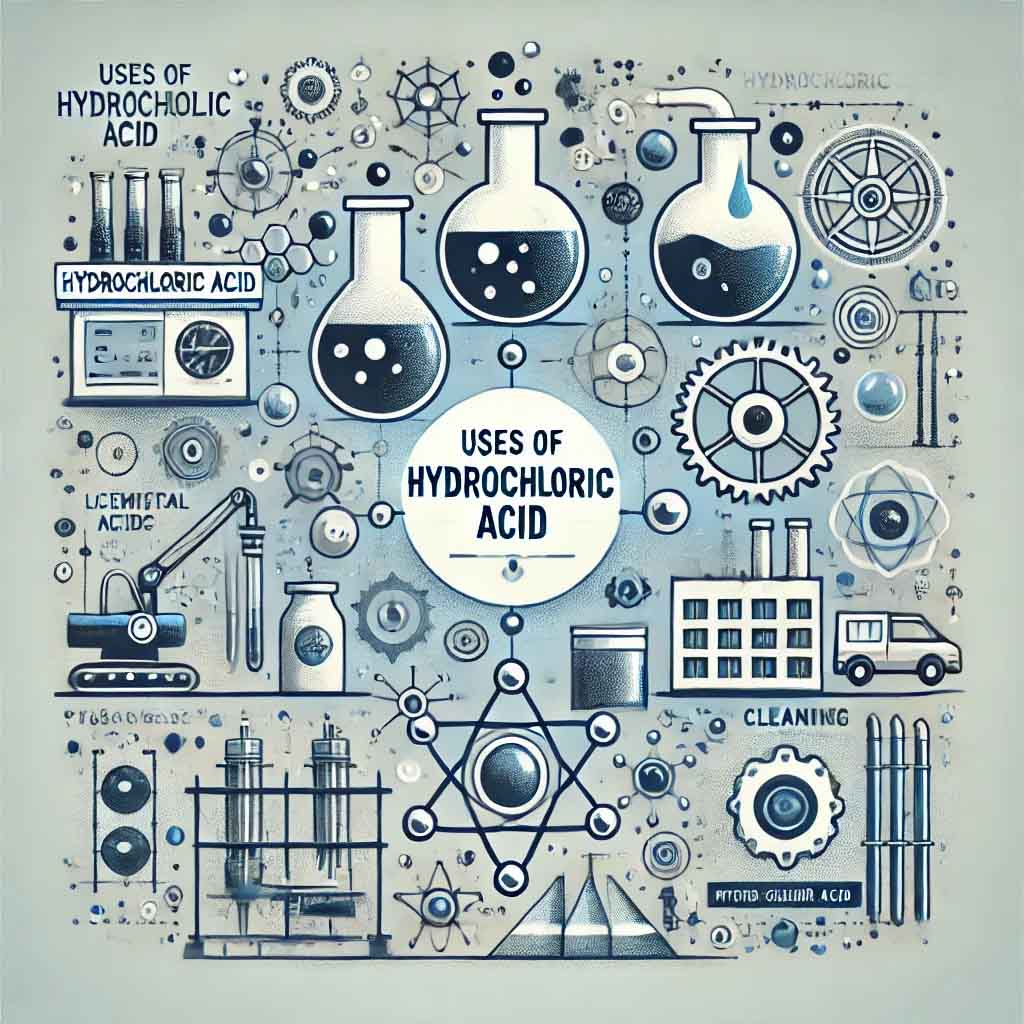
Hydrochloric acid (HCl) is one of the most important and widely used industrial chemicals in the world. It is a strong, corrosive acid with a wide range of applications in various industries, from manufacturing and cleaning to food processing. The uses of hydrochloric acid are vast and diverse, making it a crucial component in several industrial processes. From its role in metal treatment and water purification to its importance in the production of chemicals and plastics like PVC, hydrochloric acid’s versatility cannot be overstated. This article will explore the top five uses of hydrochloric acid and highlight its significance across different sectors.
What is Hydrochloric Acid and Why is it Important?
Hydrochloric acid (HCl) is a strong, colorless, and highly corrosive mineral acid made up of hydrogen and chlorine. It is one of the most commonly used industrial chemicals and is found naturally in the stomach, where it aids in digestion. Due to its strong acidic properties, hydrochloric acid is widely used in various applications across industries. It plays a crucial role in metal cleaning, pH regulation in water treatment, and the production of PVC (polyvinyl chloride), among other uses. Additionally, HCl is involved in chemical synthesis, helping to produce various chemicals, fertilizers, and pharmaceuticals. Its versatility makes it essential for multiple industrial processes. However, due to its corrosive nature, hydrochloric acid must be handled with care and proper safety precautions. Its importance cannot be overstated, as it serves as a vital tool in modern manufacturing, chemical production, and environmental management.
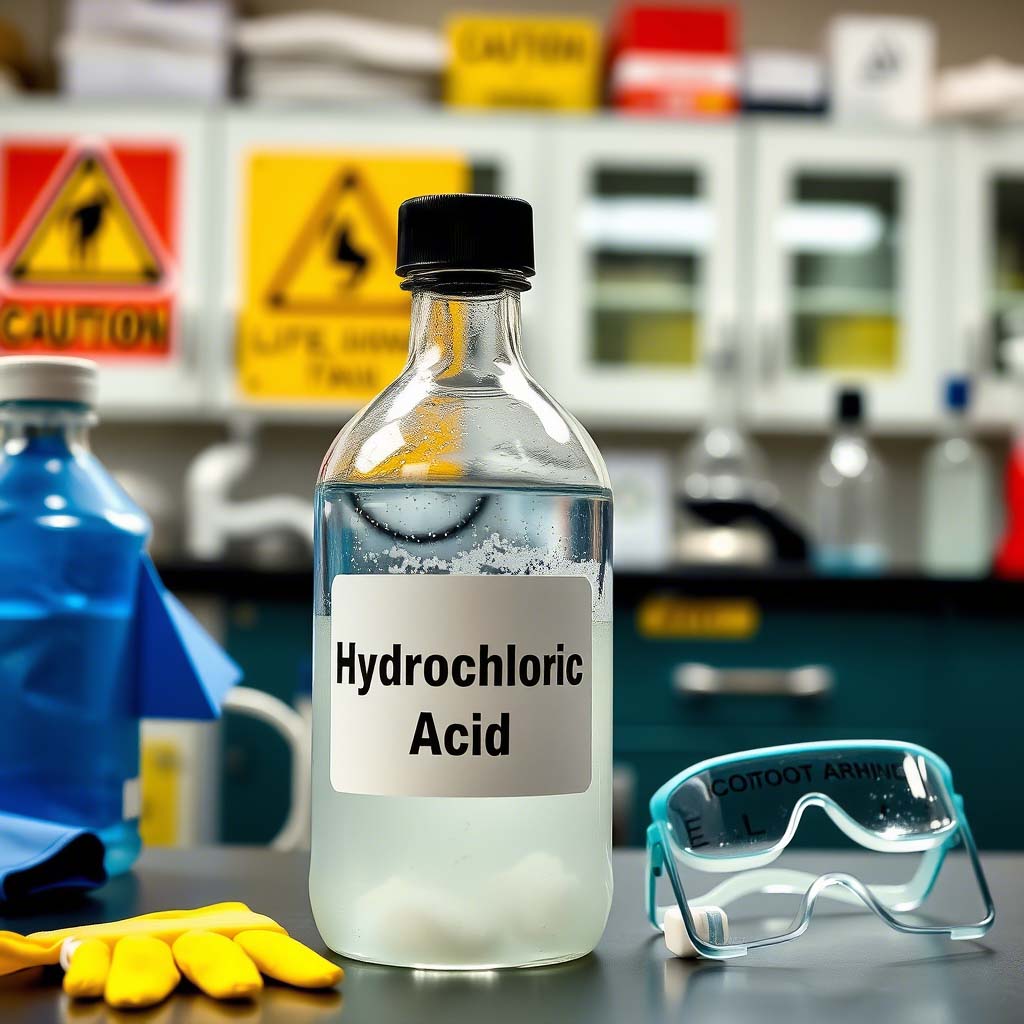
Uses of Hydrochloric Acid in Industrial Applications
Hydrochloric acid (HCl) is one of the most widely used chemicals in various industrial sectors due to its strong acidic properties and versatility. It plays a vital role in numerous processes, ranging from metal cleaning and chemical manufacturing to water treatment and food production. Here are five prominent industrial applications of hydrochloric acid:
1. Hydrochloric Acid in Metal Cleaning and Pickling
Hydrochloric acid plays a crucial role in the metal cleaning and pickling processes, particularly in industries that work with steel, iron, and other metals.
-
Metal pickling refers to the process of cleaning metal surfaces by removing rust, scale, and oxidation layers that form during manufacturing. Hydrochloric acid is highly effective in dissolving these oxide layers, leaving the metal surfaces smooth and ready for further processing, such as galvanizing, coating, or welding;
-
In the steel industry, hydrochloric acid is commonly used for pickling hot-rolled steel, ensuring that the metal is free from contaminants that can affect the quality of the final product. The acid’s ability to remove impurities ensures a better bond when coatings are applied, improving the durability and performance of the metal products;
-
Beyond steel, hydrochloric acid is also used in descaling operations in industries such as oil and gas, where mineral buildup can affect the efficiency of equipment. When used in controlled concentrations, hydrochloric acid effectively removes mineral deposits from pipes and drilling equipment, preventing blockages and maintaining the efficiency of machinery.
While hydrochloric acid is highly effective in metal cleaning and pickling, proper handling and safety measures are critical due to its corrosive nature.
2. Hydrochloric Acid in Production of PVC (Polyvinyl Chloride)
Hydrochloric acid plays a vital role in the production of PVC (Polyvinyl Chloride), a widely used plastic in various industries such as construction, medical devices, and packaging. PVC is produced through a chemical process known as vinyl chloride monomer (VCM) production, where hydrochloric acid is involved.
In this process, hydrochloric acid reacts with ethylene to produce vinyl chloride, which is the precursor to PVC. The vinyl chloride monomer is then polymerized to form PVC, a versatile and durable material used in a range of applications, from plumbing pipes to flooring materials.
Hydrochloric acid is essential for the synthesis of vinyl chloride, as it facilitates the chlorination reaction needed to create the monomer. Without hydrochloric acid, the production of PVC would not be possible. Its role in PVC production is significant, given the widespread demand for this plastic in industries around the world.
3. Chemical Synthesis and Production Using Hydrochloric Acid
Hydrochloric acid (HCl) is a key player in chemical synthesis and production, serving as a reagent in various important industrial processes. Due to its strong acidic nature, HCl is utilized in the synthesis of a wide range of chemicals, including chlorine gas, hydrogen chloride, pharmaceuticals, fertilizers, and dyes.
-
Chlorine Gas Production: One of the major applications of hydrochloric acid in chemical production is its role in the production of chlorine gas. Chlorine is vital in the manufacturing of many household and industrial products, such as bleach, disinfectants, and PVC (polyvinyl chloride). The process involves reacting hydrochloric acid with sodium chloride (NaCl), commonly known as salt, in an electrolytic cell to produce chlorine gas, hydrogen gas, and sodium hydroxide. Chlorine gas has numerous applications in water treatment, chemical synthesis, and the production of other chemicals;
-
Hydrogen Chloride Production: Hydrochloric acid is also used in the production of hydrogen chloride (HCl) itself, which can be further processed into hydrochloric acid or used in other chemical processes. Hydrogen chloride is essential in creating products such as pharmaceuticals, pesticides, and herbicides;
-
Fertilizer Production: Additionally, HCl is involved in the manufacturing of fertilizers like ammonium chloride, which is a widely used nitrogenous fertilizer, contributing to the global agricultural industry;
-
Dye Industry: In the dye industry, hydrochloric acid plays a role in the synthesis of azo dyes, which are commonly used in textiles, food, and other consumer products.
Overall, hydrochloric acid’s role in chemical synthesis is crucial to the production of many essential chemicals and materials used in everyday life, from cleaning agents to agricultural products.
4. Water Treatment and pH Regulation Using Hydrochloric Acid
Hydrochloric acid plays a crucial role in water treatment and pH regulation, ensuring that water meets the necessary standards for drinking, industrial use, and environmental protection. Here are the primary ways hydrochloric acid is used in these processes:
-
pH Adjustment: Hydrochloric acid is commonly used to lower the pH of water in various treatment processes. Many water sources, particularly in industrial settings, have high pH levels (alkaline water), which can lead to scale formation and equipment corrosion. By adding hydrochloric acid, the pH can be effectively reduced to a neutral or slightly acidic level, preventing these issues;
-
Neutralization of Alkaline Water: In wastewater treatment, hydrochloric acid is used to neutralize alkaline industrial wastewater, which might be produced from processes such as cleaning or chemical manufacturing. This neutralization helps in preventing damage to pipes and equipment, and ensures compliance with environmental regulations;
-
Disinfection: Hydrochloric acid can also be used as part of a disinfection process in water treatment plants, helping to eliminate harmful bacteria and pathogens by lowering the pH to levels where the pathogens cannot survive;
-
Scaling Prevention: In industrial water systems, hydrochloric acid helps to prevent scale formation in pipes, cooling towers, and heat exchangers, which can reduce efficiency and increase maintenance costs.
By maintaining optimal pH levels, hydrochloric acid plays a vital role in improving water quality and ensuring safe, efficient water management.
5. Hydrochloric Acid in Food Industry
Hydrochloric acid is widely used in the food industry for its preservative properties and as an additive to enhance the quality, shelf-life, and safety of food products. Here are the main ways it is applied:
-
pH Regulation: Hydrochloric acid is used to adjust the pH in various food products, such as sauces, juices, and processed meats. It helps to create an acidic environment that inhibits the growth of harmful bacteria and molds, thus acting as a preservative. By controlling the pH, HCl helps in extending the shelf-life of products;
-
Acidulant: As an acidulant, hydrochloric acid is used to provide a tangy flavor in certain food items like cheese, pickles, and canned vegetables. It helps balance the overall taste of the product while maintaining its safety and quality;
-
Gelatin Production: Hydrochloric acid is involved in the production of gelatin, a common ingredient in desserts, gummy candies, and marshmallows. HCl helps in breaking down collagen (from animal skins and bones) into gelatin, making it easier to process and achieve the desired texture;
-
Food Cleaning and Sanitization: In the food industry, hydrochloric acid is also used for cleaning and sanitizing food-processing equipment. It helps to remove mineral deposits, lime scale, and other residues, ensuring that equipment remains hygienic and compliant with health standards;
-
Food Additive for Calcium and Iron: Hydrochloric acid is used in fortifying foods with essential minerals like calcium and iron. It is added to fortify products such as flour or cereals, making them more nutritionally valuable for consumers.
Overall, hydrochloric acid is a versatile and essential component in the food industry, offering benefits in preservation, flavor enhancement, and food safety.
Safety Considerations When Using Hydrochloric Acid
Hydrochloric acid (HCl) is a strong and highly corrosive substance, which, if not handled properly, can pose serious health and safety risks. It is essential to take precautions to prevent accidents, injuries, and environmental harm when using this powerful chemical. Here are some key safety considerations when working with hydrochloric acid:
1. Personal Protective Equipment (PPE)
The first line of defense when handling hydrochloric acid is wearing the proper Personal Protective Equipment (PPE). This includes:
- Protective gloves: Wear acid-resistant gloves made from materials like rubber, neoprene, or nitrile to prevent skin contact with hydrochloric acid. Gloves should be checked regularly for any damage;
- Goggles or face shield: Always wear safety goggles or a face shield to protect your eyes from splashes. Hydrochloric acid can cause severe eye irritation or permanent damage if it comes into contact with the eyes;
- Protective clothing: Wear chemical-resistant clothing, such as a lab coat or acid-resistant suit, to protect your skin from spills or splashes;
- Respiratory protection: In situations where there is a risk of inhaling fumes, a respirator with an appropriate filter should be worn. Hydrochloric acid can release harmful vapors, especially when concentrated.
2. Ventilation
Hydrochloric acid can release dangerous vapors, especially when mixed with water or when it reacts with certain materials. Therefore, it is crucial to ensure adequate ventilation in any area where the acid is being used. This can be achieved through:
- Fume hoods: In laboratory settings, always use a fume hood when working with hydrochloric acid to avoid inhaling vapors;
- Well-ventilated areas: In industrial settings, ensure that the workspace is equipped with proper ventilation systems or exhaust fans to remove harmful fumes from the air.
3. Proper Storage
Storing hydrochloric acid safely is critical to prevent accidents. The acid should be kept in appropriate containers, such as:
- Corrosion-resistant containers: Hydrochloric acid should be stored in containers made from materials like polyethylene or glass that are resistant to corrosion. Never store it in metal containers, as the acid can react with most metals, releasing hydrogen gas and creating the risk of fire or explosion;
- Secure storage: Keep the acid in a cool, dry, well-ventilated area away from incompatible materials, such as alkalies, oxidizers, and organic materials, which can react violently with HCl;
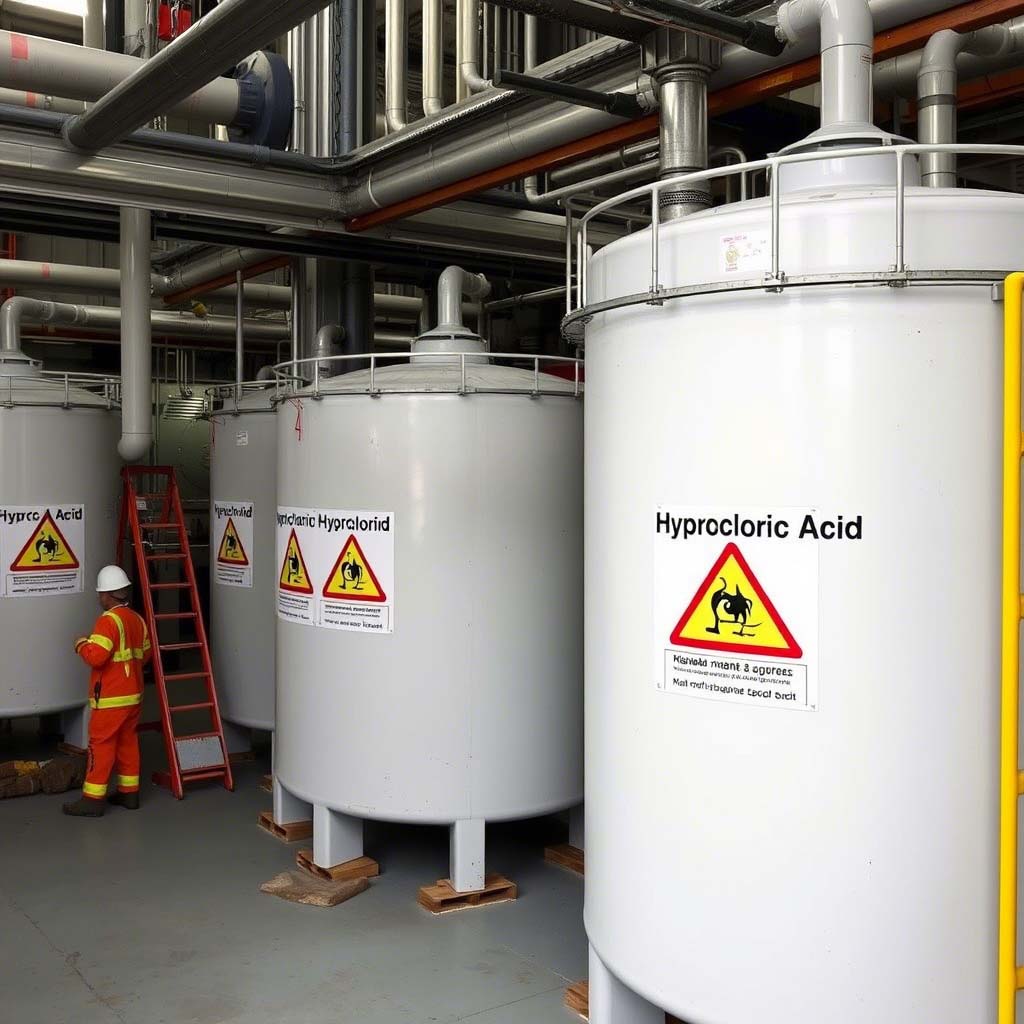
- Labeling: Ensure that all containers containing hydrochloric acid are clearly labeled with the appropriate warning signs and safety information.
4. Handling and Dilution
When handling hydrochloric acid, especially in concentrated form, it’s essential to take extra care to avoid spills or splashes. Here are some key handling precautions:
- Always add acid to water: If dilution is required, always add acid to water, not the other way around. Adding water to concentrated acid can cause violent splattering or boiling, which could lead to injury;
- Use proper dispensing tools: When transferring hydrochloric acid from its storage container, use appropriate equipment such as a funnel or acid-resistant pump. Avoid using metal tools that could react with the acid.
5. First Aid Measures
Despite taking safety precautions, accidents can still happen. In case of exposure to hydrochloric acid, it’s important to act quickly:
- Skin contact: Immediately flush the affected area with plenty of water for at least 15 minutes. Remove any contaminated clothing and seek medical attention if necessary;
- Eye contact: If the acid comes into contact with the eyes, rinse them immediately with large amounts of water for at least 15 minutes while holding the eyelids open. Seek medical attention immediately;
- Inhalation: If hydrochloric acid fumes are inhaled, move to fresh air immediately. If symptoms persist, seek medical attention;
- Ingestion: In case of accidental ingestion, do not induce vomiting. Rinse the mouth with water and seek immediate medical help.
6. Emergency Procedures
It’s crucial to be prepared for any accidents when working with hydrochloric acid:
- Emergency eyewash stations: Ensure that eyewash stations are readily available in the work area in case of accidental exposure to the eyes;
- Safety showers: Install safety showers in areas where large amounts of hydrochloric acid are handled, allowing workers to rinse off any acid that may come into contact with their skin;
- Spill containment: Have proper spill kits on hand for immediate containment and neutralization of any acid spills. Neutralizing agents such as sodium bicarbonate or lime should be used to neutralize small spills.
Alternatives to Hydrochloric Acid in Various Industries
While hydrochloric acid is widely used across various industries, several alternatives are available depending on the specific application. These alternatives often offer benefits such as lower toxicity, reduced environmental impact, or less corrosiveness. Below are some of the key alternatives to hydrochloric acid:
-
Sulfuric Acid: Often used as an alternative to hydrochloric acid in metal cleaning and pickling, sulfuric acid is effective in removing rust and scale. It is less volatile than hydrochloric acid, which can make it safer in certain applications, although it is still highly corrosive;
-
Citric Acid: In applications like food preservation and cleaning, citric acid is a natural alternative. It is less harsh than hydrochloric acid and is commonly used in food and beverage industries to control pH and act as a preservative;
-
Acetic Acid: This organic acid, often found in vinegar, serves as an alternative in both food and industrial applications. It is commonly used in the textile industry for neutralizing alkaline solutions or as a mild descaling agent;
-
Phosphoric Acid: Used in water treatment and cleaning, phosphoric acid can effectively replace hydrochloric acid in neutralizing alkaline wastewater and reducing mineral buildup, especially in the food and beverage industries.
Each alternative comes with its specific advantages and limitations, and choosing the right one depends on factors such as the nature of the task, cost, and environmental impact.
Conclusion
Hydrochloric acid is an incredibly versatile and essential chemical with a wide range of applications across various industries. From metal cleaning and pickling to PVC production, water treatment, food preservation, and chemical synthesis, HCl plays a crucial role in numerous processes that impact our daily lives. Its ability to adjust pH, aid in the production of essential chemicals, and ensure the safety and quality of products makes it indispensable.
While its corrosive nature requires careful handling and safety precautions, the benefits of hydrochloric acid in improving efficiency, quality, and performance across industries are undeniable. As industries continue to evolve, hydrochloric acid will remain a key component in maintaining optimal processes and products. However, it is important to consider the use of alternatives where possible, to reduce environmental impact and enhance safety. Ultimately, hydrochloric acid’s versatility ensures its ongoing relevance in modern industrial practices.
FAQs
1. What is hydrochloric acid used for?
Hydrochloric acid is used in various industries, including metal cleaning, PVC production, water treatment, food preservation, and chemical synthesis. It serves purposes such as pH regulation, disinfection, and acting as a reagent in producing essential chemicals.
2. Is hydrochloric acid safe to use?
Hydrochloric acid is highly corrosive and should be handled with caution. Proper safety measures, such as protective equipment and proper ventilation, must be used to minimize risks associated with its use.
3. Can hydrochloric acid be replaced by other chemicals?
Yes, alternatives like sulfuric acid, citric acid, acetic acid, and phosphoric acid can replace hydrochloric acid in certain applications, depending on factors like toxicity, cost, and the specific requirements of the process.
4. How is hydrochloric acid used in food preservation?
Hydrochloric acid is used in food processing for pH regulation, acting as a preservative by preventing microbial growth, and in certain food items, it enhances flavor or acts as an acidulant.
5. Is hydrochloric acid used in water treatment?
Yes, hydrochloric acid is used in water treatment to adjust pH levels, neutralize alkaline water, and prevent mineral scaling, ensuring water quality and the proper functioning of industrial equipment.
6. What precautions are needed when using hydrochloric acid?
Always wear protective gear, such as gloves, goggles, and a face shield, and ensure proper ventilation. Handle hydrochloric acid with care, and store it in a safe, well-ventilated area away from incompatible substances.