



HDI Polyisocyanate
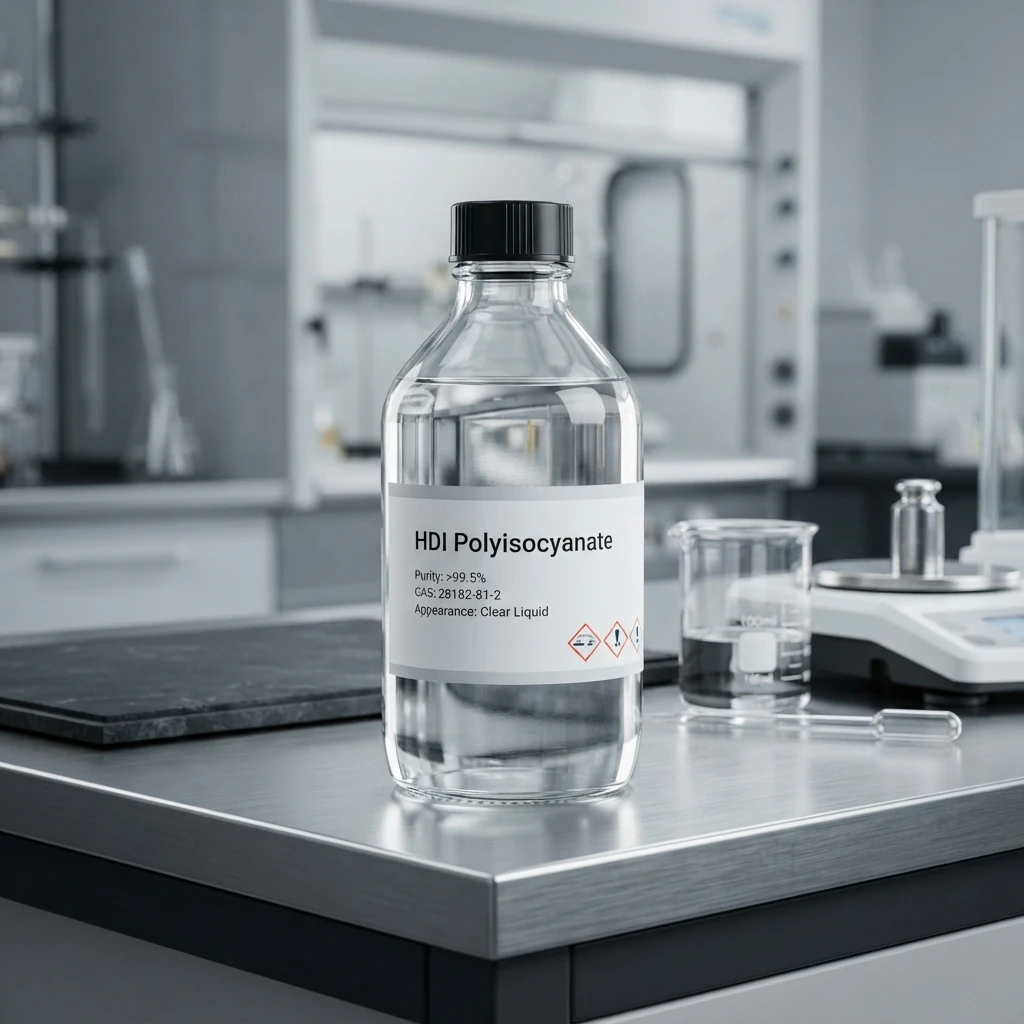
Silvari Group provides HDI polyisocyanate for polyurethane coatings, adhesives, sealants, inks, and other applications requiring durable crosslinking, weather resistance, and long-term surface performance. Its aliphatic structure supports non-yellowing formulations with strong resistance to UV exposure and weathering, making it suitable for demanding indoor and outdoor applications.
Table of Contents
ToggleWhat Is HDI Polyisocyanate and How Does It Work?
For industrial coating, adhesive, sealant, and polyurethane applications, choosing an isocyanate supplier should start with product suitability, quality consistency, documentation, and reliable B2B supply—not price alone. HDI polyisocyanates are aliphatic isocyanate materials widely used where polyurethane systems require properties such as weathering resistance, durability, chemical resistance, and appearance retention. The right product depends on the formulation, resin system, application method, curing requirements, and regulatory market.
This guide explains how HDI polyisocyanate works, where it is used, what B2B buyers should evaluate when sourcing it, and which technical and regulatory factors matter when selecting an HDI Polyisocyanate supplier for industrial applications.
HDI Polyisocyanate for Industrial Applications
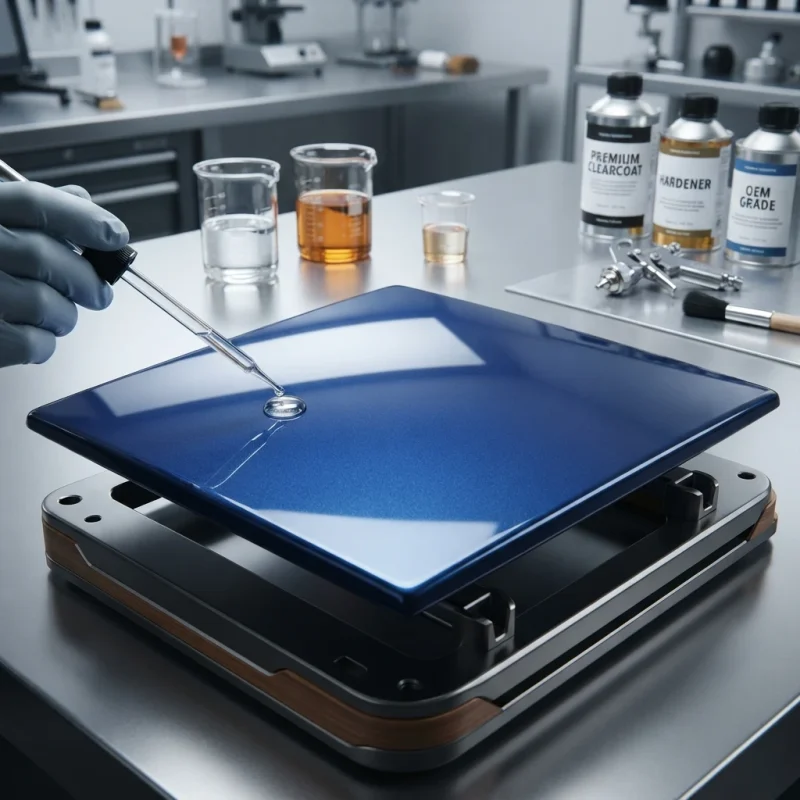
Automotive Coatings: Used in OEM and refinish coatings to provide durable, non-yellowing films with high gloss, weather resistance, scratch resistance, and long-term appearance retention.
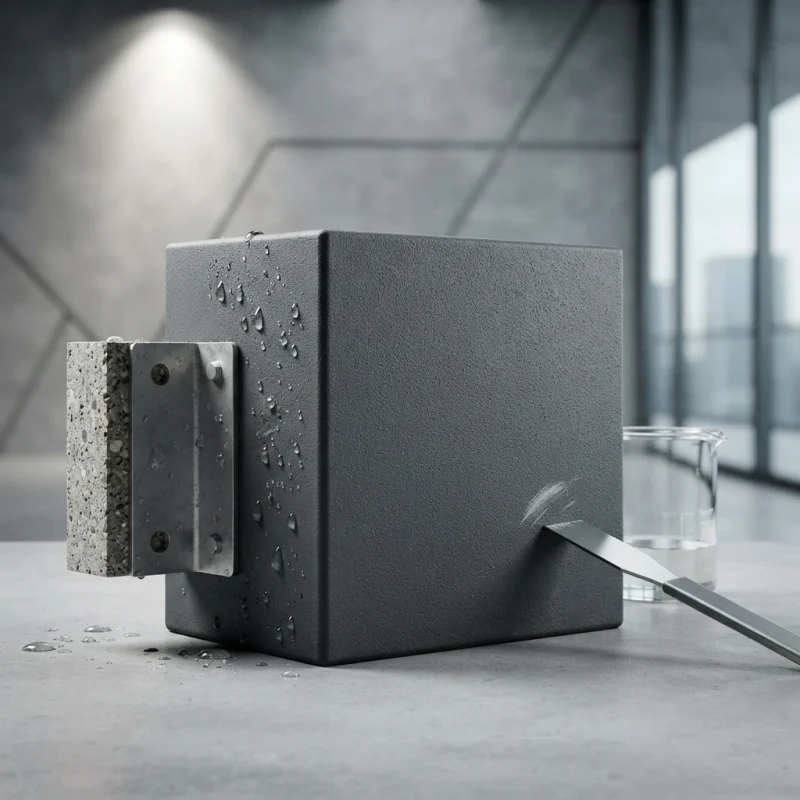
Architectural & Construction Coatings: Supports exterior and interior coating systems requiring resistance to UV exposure, weathering, chemicals, and mechanical wear.
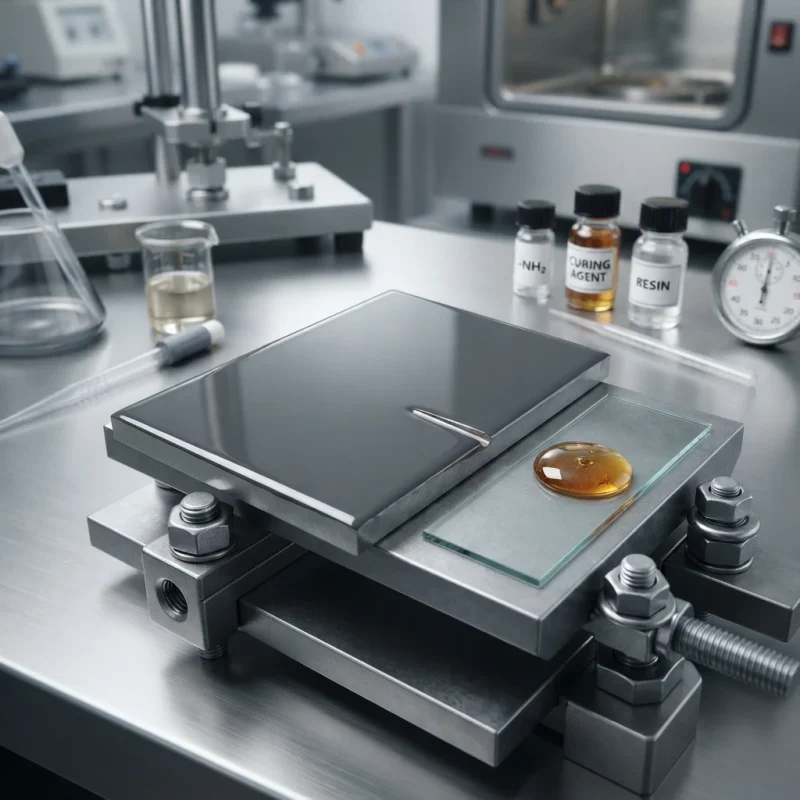
Industrial & Protective Coatings: Used as a curing agent for metal and other substrates where durable film formation, adhesion, chemical resistance, and corrosion protection are required.
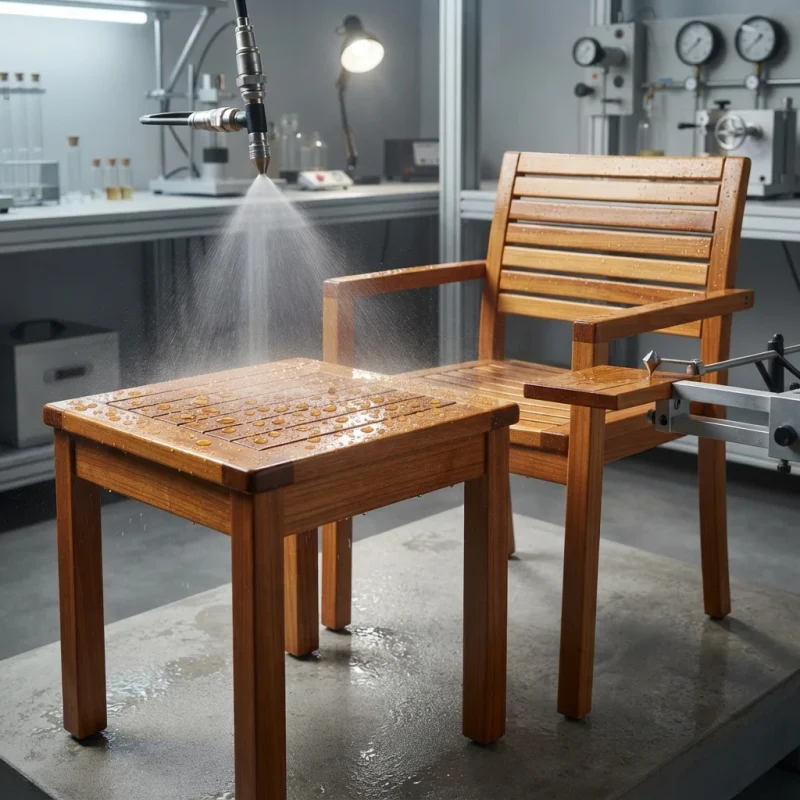
Wood & Furniture Coatings: Provides hard-wearing, weather-resistant polyurethane finishes with good appearance retention and surface durability.
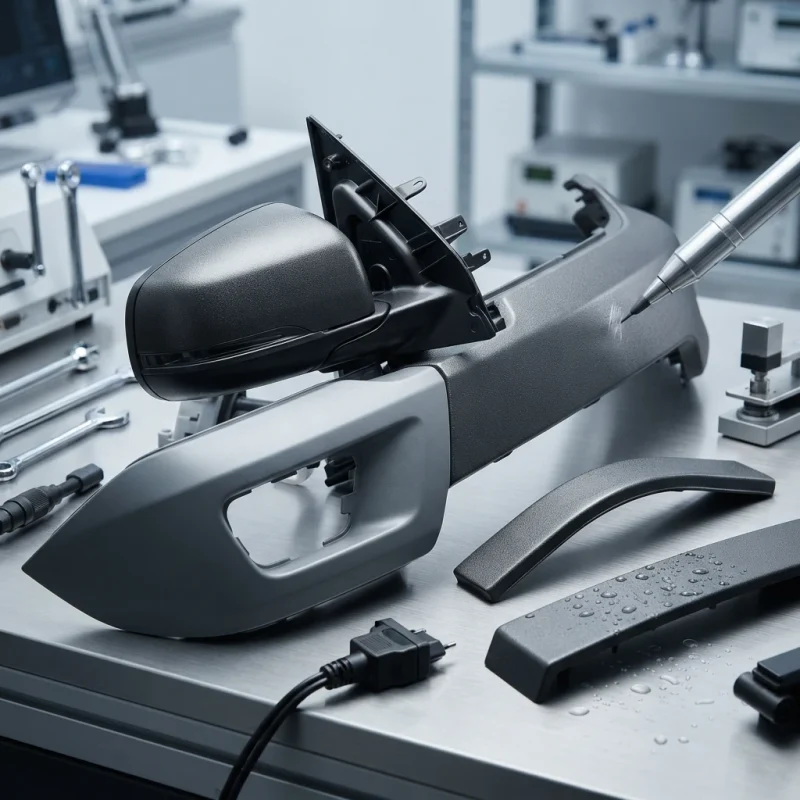
Plastic Coatings: Applied to plastic components and surfaces requiring adhesion, flexibility, scratch resistance, and long-term weatherability.

Adhesives & Sealants: Functions as a reactive crosslinker in polyurethane-based adhesive and sealing systems, supporting adhesion and mechanical durability.
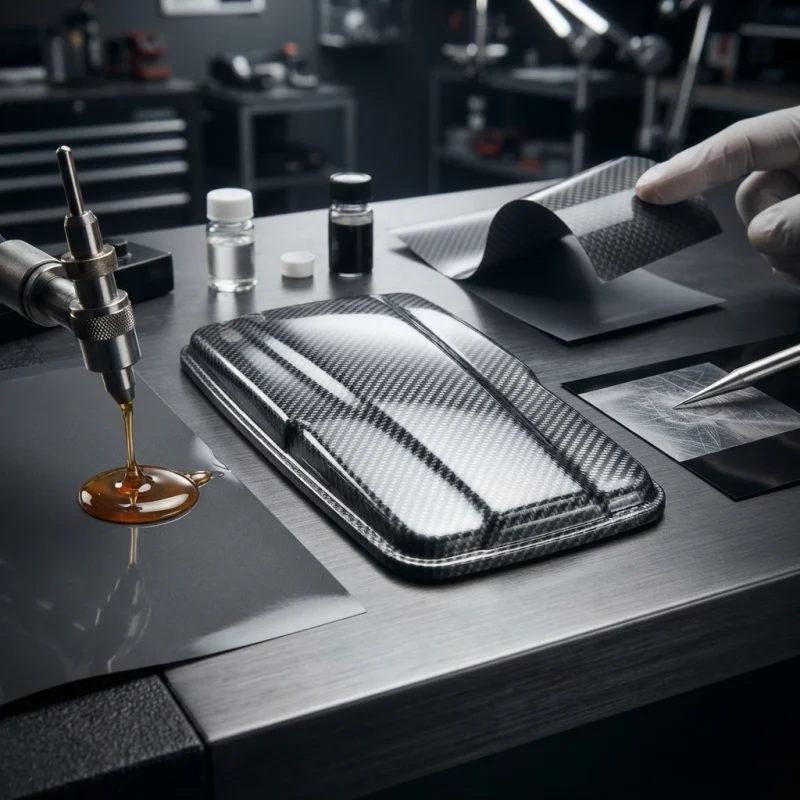
Inks & Decorative Films: Used in polyurethane-based inks and decorative film systems where adhesion, flexibility, scratch resistance, and appearance retention are required.
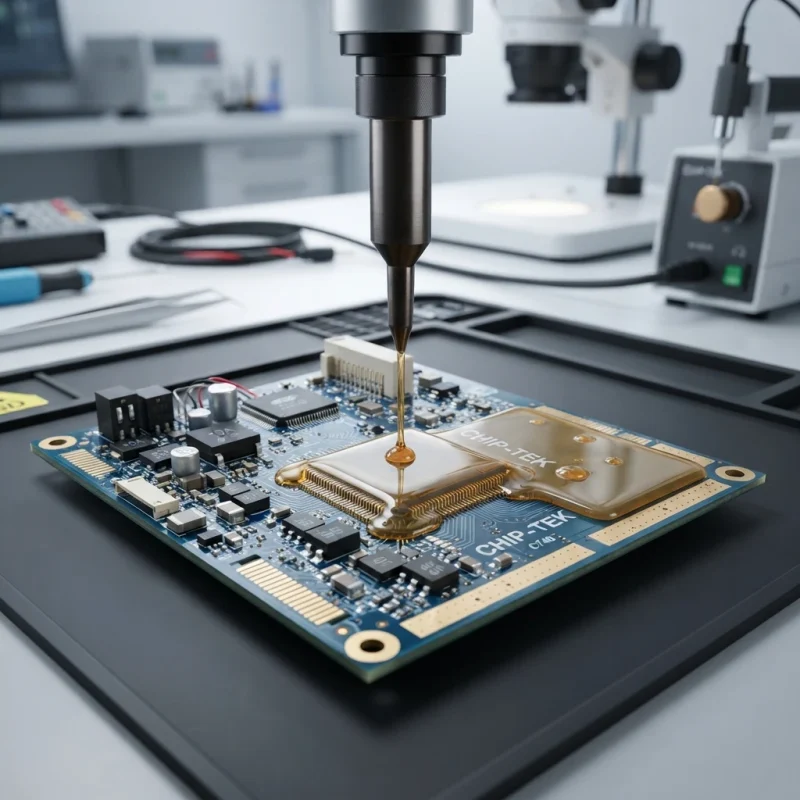
Electronic Materials: Applied in selected electronic coatings, encapsulants, and related formulations requiring controlled crosslinking and durable protection.
Key Properties of HDI Polyisocyanate Products
The relevant properties of an HDI polyisocyanate depend on its grade and intended application. Buyers should review the supplier’s current technical documentation rather than assuming that all aliphatic polyisocyanates have identical characteristics.
Common technical parameters that may influence formulation and processing include:
- NCO content: Indicates the concentration of reactive isocyanate groups and is important when calculating formulation ratios.
- Solids content: Affects the amount of active material delivered and can influence VOC calculations and coating formulation.
- Viscosity: Determines handling, mixing, pumping, and application characteristics.
- Functionality: Influences the degree of crosslinking and the properties of the resulting polyurethane network.
- Solvent compatibility: Important when the material is incorporated into solventborne or other compatible coating systems.
- Appearance and color: Particularly relevant for clear coats and formulations where visual appearance is important.
- Pot life and reactivity: Relevant to processing time after the components are combined.
A technically suitable product must balance these characteristics against the requirements of the finished application. For example, a high-performance clear coating may place greater emphasis on appearance retention and weathering performance, while an industrial formulation may prioritize chemical resistance, hardness, application properties, or production efficiency.
HDI Polyisocyanate Applications and Industries
HDI polyisocyanates are used across several industries because aliphatic polyurethane systems can combine durability with resistance to outdoor exposure and long-term appearance changes. Their use is especially relevant in high-performance coating and polyurethane applications where the final material needs to withstand demanding service conditions.
The exact performance achieved is determined by the complete formulation, including the polyol, additives, pigments, solvents or carriers, catalysts, application conditions, and curing process. Therefore, an HDI polyisocyanate should be evaluated as one component of a formulation rather than as an isolated performance solution.
Application | Industry | Typical Use |
Automotive Coatings | Automotive & Transportation | Vehicle coatings and refinishing |
Industrial Coatings | Industrial Manufacturing | Machinery and equipment protection |
Protective Coatings | Construction & Industry | Surface and corrosion protection |
Adhesives & Sealants | Chemical & Manufacturing | Polyurethane adhesive and sealant systems |
Polyurethane Systems | Coatings & Materials | Two-component polyurethane formulations |
Automotive and Transportation Coatings
Automotive and transportation coatings are important applications for aliphatic polyisocyanates because exterior surfaces can be exposed to sunlight, temperature changes, moisture, chemicals, abrasion, and repeated cleaning. Coating systems used on vehicles and transportation equipment therefore need an appropriate balance of appearance, durability, adhesion, hardness, and resistance to environmental exposure.
HDI-based polyisocyanates can serve as crosslinkers in two-component polyurethane coating systems used for applications where weathering and color or gloss retention are important. Depending on the formulation, these systems can be used in automotive refinishing, commercial vehicles, transportation equipment, and other demanding coating environments.
For a buyer, selecting the right grade requires more than identifying an HDI-based product. The crosslinker must be compatible with the selected resin and meet the formulation’s required mixing ratio, curing behavior, viscosity, and application conditions.
A reliable isocyanate supplier should therefore provide technical documentation that allows coating formulators to assess the product before moving from laboratory testing to production. Application-specific recommendations should be based on actual technical data rather than generic claims about automotive performance.
Industrial and Protective Coatings
Industrial and protective coatings are another significant application area for HDI polyisocyanate systems. These coatings may be exposed to mechanical wear, chemicals, moisture, UV radiation, cleaning processes, and changing environmental conditions.
Two-component polyurethane systems can be formulated to provide combinations of hardness, adhesion, abrasion resistance, chemical resistance, and durability. Aliphatic polyisocyanates are particularly relevant when resistance to weathering and retention of surface appearance are important requirements.
Potential industrial applications include equipment coatings, machinery, metal protection, architectural and infrastructure-related finishes, and other environments where a durable polyurethane surface is required. The appropriate material, however, depends on the substrate, exposure conditions, curing requirements, and desired coating properties.
B2B buyers should consequently evaluate HDI polyisocyanate according to the complete performance specification. Important considerations can include NCO content, viscosity, solids, compatibility with the resin, application method, curing conditions, and relevant technical documentation. A supplier capable of supporting this evaluation can reduce the risk of selecting a technically unsuitable material simply because its nominal product category appears correct.
Adhesives, Sealants, and Polyurethane Systems
HDI polyisocyanates can also be used as reactive components in polyurethane-based adhesives, sealants, and other systems where crosslinking is required. In these applications, the balance between reactivity, flexibility, hardness, adhesion, and chemical resistance can be particularly important.
The role of the polyisocyanate is to react with suitable functional groups in the formulation and contribute to the formation of the final polyurethane network. Changes in functionality, NCO content, and formulation ratio can significantly affect the characteristics of the cured material.
For adhesive and sealant manufacturers, compatibility is therefore a central sourcing consideration. The same type of polyisocyanate may behave differently depending on the polyol chemistry, catalysts, additives, fillers, moisture exposure, and curing conditions used in the formulation.
When purchasing from a Polyisocyanate supplier, technical documentation should be reviewed alongside the intended application. Buyers may need information such as recommended storage conditions, handling requirements, viscosity, solids content, NCO content, and compatibility guidance. Laboratory trials are also important before introducing a new raw material into a production formulation.
HDI Polyisocyanate Supply for B2B Buyers
Industrial buyers generally require a different sourcing approach from small-volume purchasers. A B2B procurement decision must consider not only whether a product meets the technical specification but also whether the supplier can support repeat purchasing, appropriate packaging, documentation, logistics, and regulatory requirements.
This becomes particularly important for manufacturers whose production schedules depend on the continuous availability of specialty chemical raw materials. An interruption in supply can affect formulation, production planning, customer commitments, and inventory costs.
A suitable supplier should therefore be evaluated as a long-term supply partner. Technical consistency, communication, documentation, packaging, and logistics all contribute to the practical value of the sourcing relationship.
Bulk HDI Polyisocyanate Supply and Packaging
Bulk purchasing of HDI polyisocyanate requires careful consideration of packaging, storage, handling, and transportation requirements. The appropriate packaging format depends on the purchasing volume, production setup, storage capacity, and applicable transport regulations.
Industrial chemical products may be supplied in different container formats depending on the grade and supplier. Buyers should confirm the available packaging options directly with the supplier rather than assuming that a specific drum, pail, or bulk format is available for every product.
Packaging is also part of quality control. Containers need to protect the material from conditions that could adversely affect product stability, while labeling and documentation must allow the product to be correctly identified throughout receiving, storage, and production.
For larger B2B orders, procurement teams should also clarify minimum order quantities, lead times, batch consistency, available inventory, and delivery schedules before placing recurring orders. These details can be as important as the unit price when calculating the actual cost and reliability of a supply relationship.
An experienced HDI Polyisocyanate supplier should be able to clearly communicate available packaging, commercial quantities, storage requirements, and shipping conditions for the relevant product grade.
Consistent Quality and Supply Availability
Consistency is a critical requirement when sourcing reactive chemical raw materials for industrial production. A formulation that performs correctly in laboratory testing can experience production problems if the supplied material differs significantly between batches.
For this reason, buyers should examine the supplier’s quality-control approach and technical documentation. Depending on the product, relevant information may include a technical data sheet, certificate of analysis, specification limits, batch identification, and safety documentation.
Supply availability should be considered alongside product quality. A supplier may offer a technically suitable product, but limited stock or unpredictable lead times can make it difficult to maintain production continuity.
A strong B2B sourcing process should therefore establish expectations around lead time, order quantities, batch documentation, and communication when availability changes. For international buyers, it is also useful to understand where the material is stocked and how delivery schedules are managed.
Rather than evaluating an isocyanate supplier solely on the basis of a single sample or quoted price, procurement teams should assess whether the supplier can consistently deliver the required grade with appropriate documentation and predictable commercial support.
International Shipping and European Delivery
International procurement of HDI polyisocyanate introduces additional considerations beyond product selection. Buyers need to account for applicable chemical transport requirements, packaging standards, customs documentation, import procedures, and the regulatory requirements of the destination market.
For European buyers, documentation and compliance are particularly important because chemical products may be subject to EU requirements governing classification, labeling, safety information, and the placing of chemical substances and mixtures on the market. The precise obligations depend on the substance, product composition, supplier role, and destination.
Shipping arrangements should therefore be confirmed before an order is finalized. Buyers should know the expected delivery terms, documentation provided with the shipment, packaging format, and responsibilities of the parties involved.
For manufacturers purchasing from outside their domestic market, a supplier that understands international B2B logistics can reduce administrative friction. However, buyers should independently confirm that the product and documentation meet the requirements applicable to their own operation and intended market.
Choosing the Right Isocyanate Supplier for Your Business
Choosing an isocyanate supplier should be based on a combination of technical suitability, quality assurance, regulatory support, supply reliability, and commercial capability. The lowest quoted price does not necessarily represent the lowest total procurement cost if the material creates formulation problems, inconsistent batches, documentation gaps, or delivery delays.
A structured supplier evaluation can help buyers compare suppliers using objective criteria. Product specifications should be assessed first, followed by documentation, quality systems, availability, packaging, logistics, and commercial terms.
For technical teams, the most important question is whether the proposed HDI polyisocyanate is suitable for the intended formulation. For procurement teams, the question is whether that product can be supplied consistently at the required volume and under acceptable commercial conditions.
Product Quality and Manufacturing Standards
Product quality should be assessed against a clearly defined technical specification rather than a supplier’s general statement that a product is “high quality.” Buyers should request current technical documentation and compare relevant parameters with their formulation requirements.
Depending on the application, this can include NCO content, solids content, viscosity, functionality, appearance, solvent compatibility, and other product-specific characteristics. Where batch-to-batch consistency is important, buyers should also establish how specifications are controlled and what batch documentation is available.
Manufacturing standards and quality-management practices can provide additional confidence, but certification should not replace technical evaluation. A product still needs to meet the actual requirements of the buyer’s formulation.
Before approving a new HDI Polyisocyanate supplier, manufacturers should ideally evaluate samples under their own formulation and application conditions. Laboratory testing can identify compatibility or processing issues before the material is introduced into commercial production.
The most useful supplier relationship is therefore one that combines appropriate product specifications with transparent quality documentation and responsive technical communication. This gives both procurement and formulation teams the information needed to make a defensible sourcing decision.
Regulatory Compliance and Safety Documentation
Isocyanate-containing materials require careful handling because exposure to isocyanates can present significant occupational health risks. Appropriate safety procedures depend on the specific product, concentration, application method, workplace conditions, and applicable regulations.
Before purchasing, buyers should obtain and review the supplier’s current Safety Data Sheet (SDS) and relevant technical documentation. The SDS provides important information concerning hazards, handling, storage, personal protective measures, accidental release, and other safety considerations.
For European markets, buyers should also consider applicable requirements under the EU chemical regulatory framework, including REACH and CLP where relevant. The precise compliance responsibilities depend on the substance, mixture, supply chain, and role of each party, so regulatory status should be verified for the specific product.
Documentation should be treated as part of the product qualification process rather than as an administrative afterthought. A responsible isocyanate supplier should provide accurate, current product and safety information that enables professional users to assess handling and regulatory requirements.
Conclusion
Selecting an HDI polyisocyanate is ultimately a technical and supply-chain decision. The right material must match the formulation, while the right supplier must provide consistent quality, reliable documentation, suitable packaging, predictable availability, and appropriate support for the target market.
For coatings, adhesives, sealants, and polyurethane systems, HDI-based aliphatic polyisocyanates can be valuable where durability, weathering resistance, chemical resistance, and long-term coating performance are important. However, the final performance depends on the complete formulation and application conditions.
Before establishing a long-term purchasing relationship, B2B buyers should compare technical specifications, request current SDS and technical documentation, evaluate product samples, confirm packaging and lead times, and verify the regulatory requirements applicable to their market. Working with an isocyanate supplier that can provide transparent technical and commercial information makes this qualification process more reliable and helps reduce avoidable formulation and supply risks.
FAQ
Frequently Asked Questions
Common questions from procurement managers and industrial buyers about sourcing Citric Acid Germany.
What is the difference between HDI and HDI polyisocyanate?
HDI, or hexamethylene diisocyanate, is a diisocyanate building block. HDI polyisocyanates are higher-functionality materials derived from HDI chemistry and are commonly used as crosslinkers in polyurethane systems. Their functionality and other properties make them suitable for different formulation requirements.
How should I choose an HDI Polyisocyanate supplier?
Compare suppliers based on technical specifications, batch consistency, quality documentation, SDS availability, regulatory support, packaging options, lead times, supply availability, and international logistics. Product samples should also be evaluated in the intended formulation before full-scale purchasing.
What technical specifications should buyers check for HDI polyisocyanate?
Important parameters can include NCO content, solids content, viscosity, functionality, appearance, solvent compatibility, and product-specific curing or handling characteristics. The relevant specifications depend on the formulation and intended application.
Is HDI polyisocyanate suitable for outdoor coatings?
Important parameters can include NCO content, solids content, viscosity, functionality, appearance, solvent compatibility, and product-specific curing or handling characteristics. The relevant specifications depend on the formulation and intended application.
What technical specifications should buyers check for HDI polyisocyanate?
HDI-based aliphatic polyisocyanates are widely relevant to polyurethane coating systems where weathering and appearance retention are important. Actual outdoor performance depends on the complete coating formulation, substrate, curing process, environmental exposure, and other formulation components.
What documents should I request from an isocyanate supplier?
At minimum, buyers should request the current Technical Data Sheet (TDS) and Safety Data Sheet (SDS), along with relevant batch or quality documentation. Depending on the market and application, additional regulatory, transport, or product-compliance documentation may also be required.
Need help choosing the right product or requesting a quote?
Our team is here to support you. Get in touch with us today.