


Lecithin
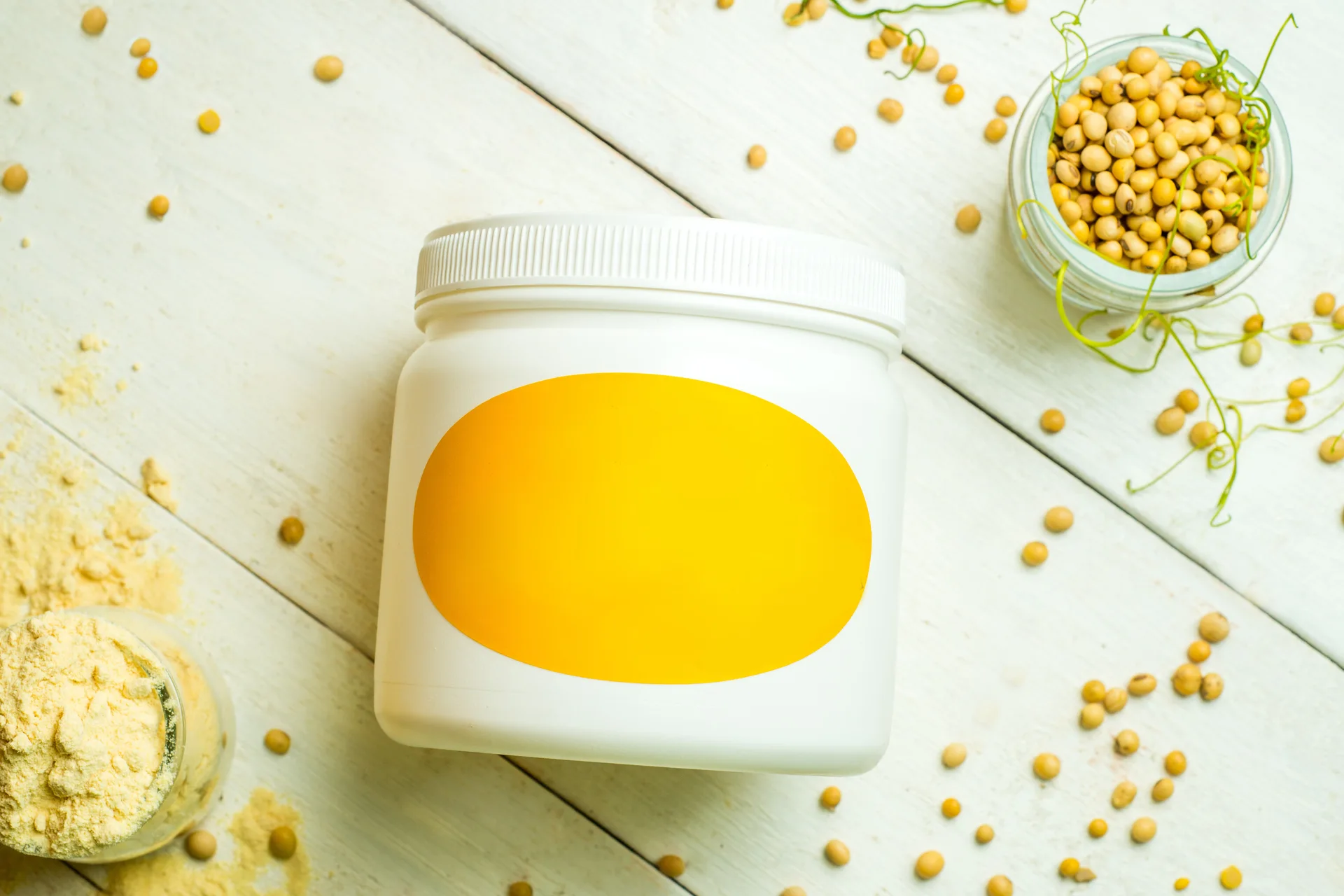
Silvari Group supplies lecithin, a non-GMO ingredient derived from soy and sunflower, in both liquid and de-oiled powder forms. Each product is sourced from verified production units operating under FSSC 22000 and IP-certified non-GMO systems, ensuring traceable origin and consistent purity. Our lecithin grades meet global expectations for food, nutrition, and pharmaceutical applications.
Choosing the right Soy Lecithin Supplier in Europe means more than finding a low bulk price. B2B buyers should evaluate lecithin source, grade, phospholipid profile, physical form, consistency between batches, documentation, regulatory status, MOQ, packaging and delivery capability before placing an order. A reliable European supplier should be able to provide clear technical specifications, a Certificate of Analysis (CoA), relevant safety and compliance documentation, and supply formats suited to the buyer’s manufacturing process.
For food & nutritional ingredients , pharmaceutical, cosmetic, feed and industrial applications, the required specification can differ significantly, so the product must be selected according to its intended use rather than by the word “lecithin” alone. This guide explains the main lecithin types, European supply considerations, quality requirements and the key factors to check before choosing a lecithin manufacturer and supplier Europe partner.
Table of Contents
ToggleApplications

Food & Beverages: Binds ingredients that don’t easily mix and provides a smoother texture in chocolate, dairy, margarine, baking mixes, beverages, and instant mixes.

Nutrition: Used in dietary supplements, protein blends, and infant formulas.

Animal Feed: Used in animal and aqua nutrition to enhance nutrient absorption.

Cosmetics & Personal Care: Applied in creams, lotions, and hair care products for moisturizing and stabilizing.
Features
- Natural and plant-derived
- Excellent emulsification
- Available in various forms
Available Forms
- Liquid Lecithin
- Soy Powdered Lecithin
- De-oiled Lecithin
- Hydrolyzed Lecithin
Technical Identification
- CAS Number: 8002-43-5
- EC Number: 232-307-2
- Documentation, including Safety Data Sheets (SDS), Technical Data Sheets (TDS), and Certificates of Analysis (CoA), is available as part of the technical and commercial evaluation process, aligned with application requirements and project specifications..
Regulatory Status
Compliant with internationally recognized food safety frameworks, including EU food regulations and GRAS principles, ensuring suitability for global food and beverage applications.
Certified Excellence
Every lecithin grade offered through Silvari Group is sourced from verified production units operating under international certifications and food safety frameworks, including:
Certification coverage is aligned with Silvari Group’s quality and compliance standards.
Lecithin Supplier in Europe for Food and Industrial Manufacturing
Silvari Group supplies bulk lecithin to food manufacturers, nutraceutical producers, pharmaceutical companies, animal nutrition businesses and industrial formulators across Europe. Available options include soy lecithin, sunflower lecithin, liquid lecithin and deoiled powdered lecithin selected according to the manufacturing process, functional requirements and applicable specification.
Choosing a reliable lecithin supplier in Europe requires more than comparing price. Industrial buyers should evaluate source, physical form, phospholipid composition, batch consistency, documentation, GMO status, certifications, packaging, minimum order quantity and supply reliability.
As a functional ingredient, lecithin is primarily valued for its emulsifying, dispersing, wetting and processing properties. The correct grade should therefore be selected according to the intended formulation rather than treating all commercial lecithin products as interchangeable.
Bulk Lecithin Grades Available
Commercial lecithin can vary significantly according to botanical source, processing method and physical form. Silvari Group supports B2B procurement requirements for different lecithin grades according to the intended application.
Soy Lecithin
Soy lecithin is one of the most widely used commercial emulsifiers in food and industrial manufacturing. It is commonly used in chocolate, confectionery, bakery products, nutritional formulations, instant mixes and other applications where emulsification, wetting or ingredient dispersion is required.
Buyers searching for a soy lecithin supplier should consider GMO status, allergen requirements, physical form, phospholipid profile, application suitability and supporting documentation before qualification.
Sunflower Lecithin
Sunflower lecithin is widely selected as an alternative to soy-derived lecithin, particularly in food, nutritional and clean-label formulations where botanical source or allergen positioning influences ingredient selection.
For manufacturers sourcing sunflower lecithin in bulk, important procurement criteria include source traceability, physical format, non-GMO documentation where required, batch consistency and functional performance in the intended formulation.
Liquid Lecithin vs Deoiled Powdered Lecithin
Lecithin is available in several physical forms. Two of the most important commercial formats are liquid lecithin and deoiled powdered lecithin.
| Property | Liquid Lecithin | Deoiled / Powdered Lecithin |
|---|---|---|
| Physical form | Viscous liquid | Dry powder |
| Typical processing | Suitable for pumping, metering and liquid blending systems | Suitable for dry mixes and powdered formulations |
| Common applications | Chocolate, bakery, oils and general food processing | Nutrition, dry blends, supplements and specialized formulations |
| Procurement consideration | Viscosity, storage and pumping requirements | Powder handling, dispersibility and phospholipid concentration |
Manufacturers comparing liquid lecithin vs powdered lecithin should base the decision on process equipment, formulation type, dosage system, storage conditions and the desired functional performance.
Food Grade Lecithin E322
Lecithins are used in food manufacturing under the designation E322. Food-grade lecithin is widely applied as an emulsifier, dispersing agent and processing aid in products where oils, fats, water-based ingredients and dry materials must be distributed consistently.
Common Food Applications
- Chocolate and confectionery
- Bakery products
- Margarine and fat-based formulations
- Instant powders and dry mixes
- Nutritional products
- Beverage formulations
- Protein and supplement blends
Food manufacturers often use multiple functional ingredients within the same formulation. Alongside lecithin for emulsification, manufacturers may also require food-grade citric acid for acidity control and sorbate preservatives for preservation systems.
Non-GMO Lecithin for Food and Nutritional Formulations
Non-GMO lecithin is an important sourcing requirement for many food, nutrition and specialty formulation manufacturers. Non-GMO status should be supported by appropriate supplier documentation and should not be assumed solely from the botanical source.
Silvari Group can support procurement requirements involving soy and sunflower lecithin where traceability, source documentation and non-GMO status form part of the product specification.
Lecithin for Chocolate and Confectionery Manufacturing
Lecithin is widely used in chocolate and confectionery production because it helps improve ingredient distribution, flow behavior and processing efficiency. The appropriate dosage and grade depend on formulation composition, cocoa and fat content, processing conditions and the desired finished-product properties.
Buyers searching for lecithin for chocolate manufacturing should evaluate botanical source, physical form, viscosity requirements, phospholipid composition and compatibility with existing production systems.
Lecithin for Bakery and Food Processing
In bakery and processed food systems, lecithin can support emulsification, ingredient dispersion, dough processing and more consistent distribution of fats and other formulation components.
Product selection should take into account whether liquid or powdered lecithin integrates more effectively with the production process and whether specific food-grade, allergen or non-GMO documentation is required.
Lecithin for Nutrition and Supplements
Deoiled and powdered lecithin grades are commonly considered for nutrition, supplement and dry-blend applications where a free-flowing ingredient is easier to incorporate than standard liquid lecithin.
Nutritional manufacturers may evaluate phospholipid content, source, microbiological specification, GMO status, physical characteristics and documentation as part of supplier qualification.
Pharmaceutical Grade Lecithin
Lecithin can also be used in pharmaceutical and specialized formulation systems where emulsification, dispersion or phospholipid functionality is required. The appropriate pharmaceutical grade should be selected according to the applicable specification, intended use and regulatory requirements.
Buyers requiring pharmaceutical grade lecithin should confirm the relevant specification and available documentation before commercial use. Depending on the product, supporting documentation may include analytical, microbiological and quality-control information required during supplier qualification.
Feed Grade Lecithin and Animal Nutrition
Lecithin is also used in animal and aquaculture nutrition where its emulsifying and dispersing properties can support feed formulation and processing. Feed-grade requirements differ from food and pharmaceutical applications, so buyers should evaluate the specific grade, applicable regulatory framework and supporting documentation before use.
Lecithin Technical Identification
| Product | Lecithin |
|---|---|
| CAS Number | 8002-43-5 |
| EC Number | 232-307-2 |
| Food Additive | E322 |
| Common Sources | Soy and Sunflower |
| Common Forms | Liquid and Deoiled Powder |
| Typical Functions | Emulsifier, dispersing agent, wetting agent and processing aid |
Lecithin is a complex phospholipid-rich material rather than a single chemically uniform compound. Final specifications therefore depend on botanical source, manufacturing process, grade and intended application.
Lecithin Specifications and Supplier Documentation
Industrial procurement teams should review the specification of the exact grade rather than relying only on the generic product name. Depending on the lecithin product and intended market, documentation may include:
- Certificate of Analysis (CoA)
- Technical Data Sheet (TDS)
- Safety Data Sheet (SDS) where applicable
- Specification sheet
- Country of origin information
- GMO or non-GMO documentation where required
- Allergen statement
- Microbiological information
- Food-safety and quality documentation
- Traceability documentation
Required documentation should always be confirmed according to the final application and customer qualification process.
Bulk Lecithin Supply, Packaging and Procurement
Companies sourcing bulk lecithin should define the required source, physical form, grade, estimated annual demand, packaging requirement and destination before requesting a commercial offer.
Typical supply formats can include bags for deoiled powdered lecithin and drums or IBCs for liquid lecithin. Packaging availability should be confirmed according to the selected grade and purchasing volume.
Silvari Group's standard commercial MOQ is generally 1 metric ton (1,000 kg). Evaluation samples may be available where appropriate before larger industrial orders.
Information to Include in a Lecithin RFQ
- Soy or sunflower source preference
- Liquid or deoiled powdered form
- Food, feed, pharmaceutical or industrial application
- GMO or non-GMO requirement
- Required specification or standard
- Estimated order quantity
- Packaging preference
- Delivery country
- Required technical or regulatory documents
Related Food and Formulation Ingredients
Manufacturers frequently source several functional ingredients for the same production system. Depending on the formulation, Silvari Group can also support procurement of citric acid for acidity regulation, sorbate preservatives for preservation systems, and sodium metabisulfite for applications requiring reducing or antioxidant functionality.
Learn More About Food Emulsifiers
For a broader comparison of naturally derived emulsifier options and their roles in industrial food formulations, see our guide to natural food emulsifiers .
For quotations, product qualification or long-term supply requirements, contact Silvari Group with the preferred lecithin source, grade, physical form, quantity, destination and documentation requirements.
FAQ
Frequently Asked Questions
Common questions from procurement managers and industrial buyers about sourcing lecithin from Europe.
What is industrial lecithin used for?
Industrial lecithin is a versatile natural emulsifier, stabilizer, and dispersant. It is widely used in food and beverage production (E322), animal nutrition, pharmaceutical formulations, paint and ink manufacturing, industrial lubricants, and cosmetics.
What grades of lecithin does Silvari Group supply?
We supply standardized liquid and deoiled (powdered) lecithin derived from soy, sunflower, and rapeseed. Grades include food, feed, and technical applications, each tailored for performance in emulsification, stability, or dispersion.
What is the minimum order quantity (MOQ)?
Our standard minimum order quantity is 1 metric ton (1,000 kg). For new clients evaluating quality, we offer sample packs (500g–5kg) upon request. Long-term contract supply agreements can include flexible MOQ arrangements.
What certifications and documentation do you provide?
Every shipment includes a Certificate of Analysis (CoA), Material Safety Data Sheet (MSDS/SDS), EU REACH compliance documentation, Bill of Lading, ISO 9001:2015 certification, and other relevant documentation.
Do you ship lecithin internationally outside Europe?
Yes. Silvari Group exports to over 50 countries worldwide via road, sea, and air freight, including customs clearance, export declarations, and destination country compliance documentation. Key markets include the EU, the Middle East, Asia-Pacific, a nd the Americas.
What packaging options are available for bulk lecithin?
We offer 20 kg bags for deoiled lecithin; 200 kg drums and 1,000 kg IBCs for liquid lecithin; and full container loads (FCL). Custom packaging is available for contract supply clients.
How long does delivery take to Germany and EU countries?
Within Germany and DACH, road freight typically arrives within 3–7 business days. EU-wide delivery is 5–14 business days. International sea freight is 15–45 days depending on destination. Air freight express options are available for urgent orders.
Is your lecithin compliant with EU food safety regulations?
Yes. Our food-grade lecithin is fully compliant with EU Regulation (EC) No 1333/2008 on food additives (designation E322) and purity criteria set by the EU. Pharmaceutical-grade batches meet Ph. Eur. standards.
What is the difference between liquid and deoiled lecithin?
Liquid lecithin is the standard raw extract containing high levels of oil, suitable for general emulsification. Deoiled (powdered) lecithin is processed to remove the carrier oil, resulting in a high-concentration phospholipid powder preferred for dry formulations and specific pharmaceutical applications.
How do I request a quote for bulk lecithin?
Fill in our quote request form on this page with the required grade, quantity, preferred packaging, delivery destination, and any specific documentation requirements. Our team will respond within 24 hours with a competitive price offer and full product details.
Can you provide lecithin for pharmaceutical manufacturing?
Yes. Our pharmaceutical-grade lecithin meets Ph. Eur. specifications and is tested for identity, phospholipid content, heavy metals, and microbiology. Full GMP-supporting documentation is available for qualified accounts.
Do you offer long-term supply contracts?
Yes. We offer 12-month and 24-month contract supply agreements, including guaranteed pricing windows, priority stock allocation, scheduled delivery programmes, and dedicated account management. Contact us to discuss a customised supply agreement.
What is REACH compliance, and why does it matter?
REACH (EC 1907/2006) governs chemical substance safety in the EU. Lecithin is classified as a natural, non-chemically modified substance and is therefore exempt from the obligation to register under REACH (Annex V). As a Germany-based supplier, Silvari Group adheres to all applicable REACH requirements and provides the necessary Safety Data Sheet (SDS) for all shipments within the European Economic Area.
Need help choosing the right product or requesting a quote?
Our team is here to support you. Get in touch with us today.