


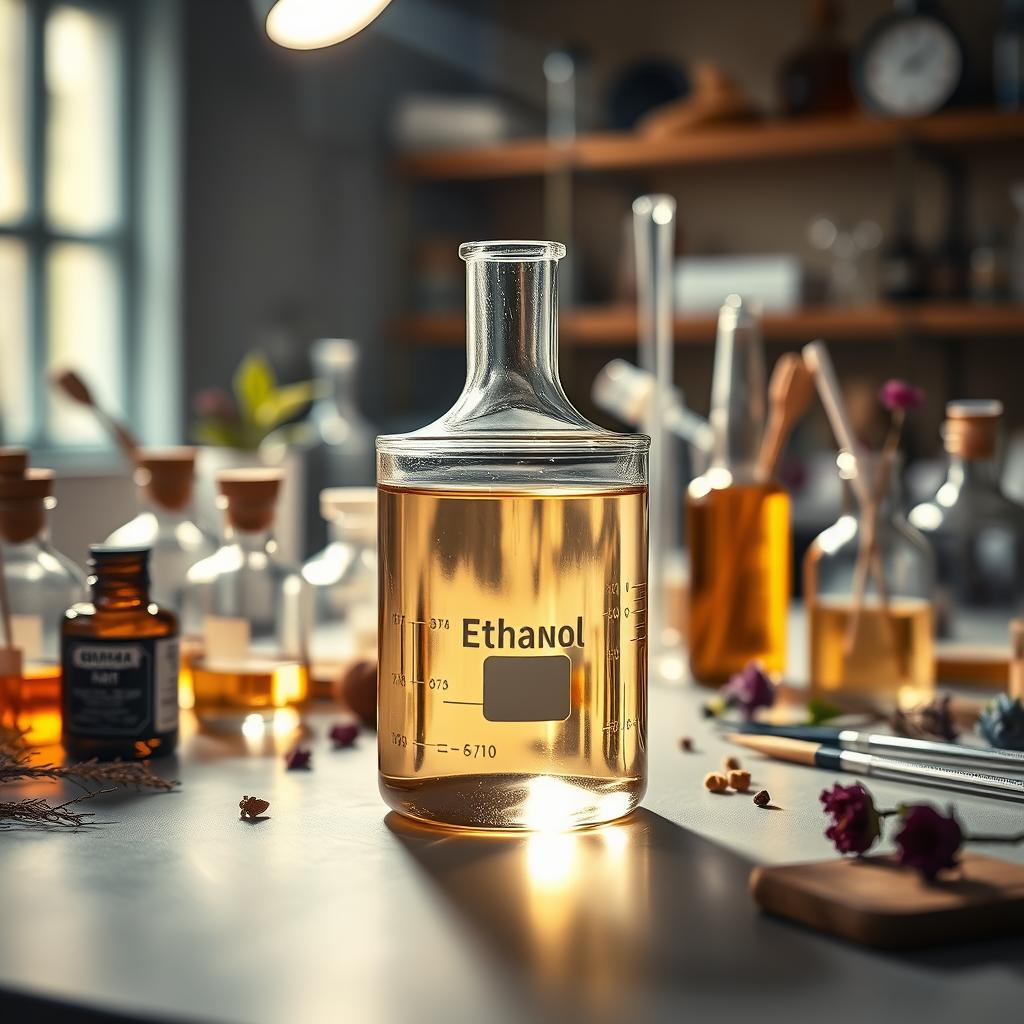
What role does ethanol play in creating the perfect scent? It’s a key player in the perfume industry. Ethanol dissolves essential oils and other ingredients, making sure they mix well. This results in a consistent and stable fragrance. The use of ethanol is essential for making fragrances. Ethanol-based perfume formulations are a big part of this process.
Key Takeaways:
- Ethanol is a crucial solvent in the perfume industry, used to dissolve essential oils and aroma compounds.
- The use of ethanol in the perfume industry helps create a consistent and stable fragrance.
- Ethanol-based perfume formulations are a key part of the fragrance creation process.
- Ethanol plays a vital role in mixing uniform fragrance ingredients.
- The perfume industry relies heavily on ethanol to produce high-quality fragrances.
- Ethanol helps to create a long-lasting and pleasant scent.
Understanding Ethanol’s Role in Modern Perfumery
Perfume making has changed a lot over time. Ethanol is key in this change. It can mix with many kinds of scents, making perfumes unique. Ethanol helps in making complex fragrances. There are different types of ethanol for perfumes. Denatured ethanol is often used. Ethanol has been used for centuries to make fragrances.
What is Perfume-Grade Ethanol?
Perfume-grade ethanol is very pure. It’s made for making perfumes and fragrances. It has a lot of ethanol and few impurities, perfect for complex scents.
Historical Development of Ethanol in Fragrances
Ethanol has been used in fragrances for centuries. Ancient people used it to get scents from plants. Today, new methods make scents more complex.
Types of Ethanol Used in Perfume Making
There are several types of ethanol for perfumes. These include:
- Denatured ethanol
- Undenatured ethanol
- Organic ethanol
Ethanol is vital in perfume making. It can mix with many scents. As people want more complex scents, ethanol will keep being important.
| Type of Ethanol | Characteristics |
|---|---|
| Denatured Ethanol | High-purity ethanol, low levels of impurities |
| Undenatured Ethanol | Lower concentration of ethanol, higher levels of impurities |
| Organic Ethanol | Derived from organic sources, high-purity ethanol |
The Chemical Properties of Ethanol in Fragrance Formulation
Ethanol is key in ethanol-based perfume formulations. It makes the scent last longer on the skin. It also makes sure the fragrance spreads well and fades at the right time, improving how we smell it.
Ethanol is great at mixing with different scents. This makes the perfume smell balanced and nice. The use of ethanol in the perfume industry has gotten better over time. Now, makers use ethanol in special ways to make perfumes better.
- Improved scent longevity
- Enhanced fragrance distribution
- Increased solubility of fragrance ingredients
Perfume makers use ethanol’s special properties to make ethanol-based perfume formulations. These perfumes smell good for a long time and smell the same everywhere. The use of ethanol in the perfume industry keeps getting better, with new ways to use ethanol being found.
Key Functions of Ethanol as a Perfume Solvent
Ethanol is key in making perfumes. It helps dissolve essential oils and other ingredients. This makes it essential for creating fragrances.
Ethanol also carries fragrance oils to the skin. As it evaporates, it releases the scent. This is why it’s used to extract fragrance from plants and materials.

- It dissolves essential oils and other ingredients well.
- It carries fragrance oils to the skin, releasing the scent.
- Its evaporation helps the scent last longer.
Ethanol is a favorite among perfumers for good reasons. It helps create fragrances that last and smell great. Its role in perfume making is valued and used often.
The Use of Ethanol in the Perfume Industry: Manufacturing Process
Ethanol is key in making perfume. It’s used to mix essential oils and other scents. Perfume makers carefully control ethanol’s amount to get the right smell and keep it stable.
Ethanol helps dissolve the scents in perfume. After mixing, the perfume is left to age. This lets the smells blend better. Important steps in making perfume include:
- Concentration of ethanol: The amount of ethanol is crucial for the right smell and stability.
- Blending and aging: Mixing and aging the scents helps them settle and mature.
- Quality control: Perfume makers must check the final product for quality and safety.
Knowing how ethanol is used in perfume making helps manufacturers create top-quality fragrances. This meets the needs of perfume lovers.
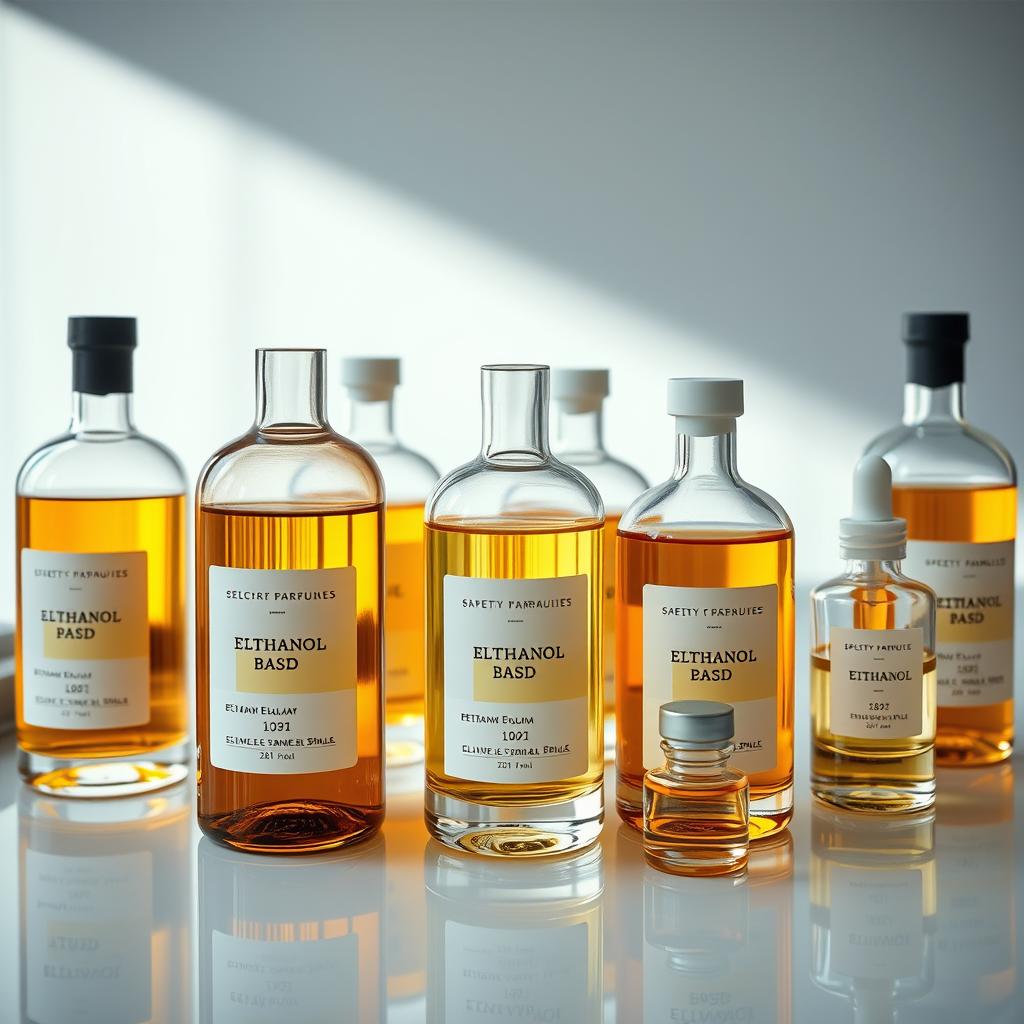
Ethanol’s Impact on Fragrance Longevity and Projection
Ethanol is key in making perfumes last longer and smell better. It keeps the scent on the skin longer. It also makes sure the fragrance spreads out evenly and fades at the right time. This is vital in making perfumes, as it makes the process more efficient.
Several factors make ethanol important for perfume longevity and projection:
- Fixative properties: Ethanol keeps the fragrance on the skin, so it doesn’t disappear too fast.
- Scent distribution mechanics: Ethanol makes sure the fragrance spreads out evenly, keeping the scent consistent.
- Volatility control: Ethanol controls how fast the fragrance evaporates, making it last longer.
Ethanol’s role in perfume making is huge. It’s essential in the extraction process for making top-quality fragrances. Knowing how ethanol affects perfume longevity and projection helps manufacturers create scents that last and smell great.
Ethanol is crucial for making fragrances last and smell good. Its properties, like fixing the scent, spreading it evenly, and controlling evaporation, are vital. These benefits make ethanol a must-have in perfume manufacturing.
| Benefits of Ethanol | Description |
|---|---|
| Fixative Properties | Helps to fix the fragrance to the skin, preventing it from evaporating too quickly. |
| Scent Distribution Mechanics | Allows the fragrance to spread evenly and consistently, ensuring a consistent scent. |
| Volatility Control | Helps to control the rate of evaporation, ensuring that the fragrance lasts for a longer period. |
Safety and Regulatory Requirements for Ethanol-Based Perfumes
The perfume industry uses ethanol, which is regulated for safety and quality. Ethanol-based perfumes must follow certain standards to protect consumers. Regulatory bodies check the production and distribution of perfumes to ensure they are safe.
Important safety and regulatory rules for ethanol-based perfumes include:
- Following international standards for making perfumes
- Using ethanol correctly and in the right amounts
- Having quality control to avoid contamination
- Meeting labeling and packaging rules to inform consumers
Perfume makers must think about the risks of ethanol-based perfumes. These risks include skin irritation or allergic reactions. By following safety and regulatory rules, makers can reduce these risks and offer quality products. The perfume industry must always focus on safety and following rules. This ensures the well-being of consumers and keeps products trustworthy. Ethanol will keep being key in perfume making, and following safety and rules will always be a main goal.
Alternative Solvents vs. Ethanol in Perfumery
Ethanol is a key solvent in perfume making because it dissolves many compounds. But, other solvents also exist, each with their own pluses and minuses. Ethanol is great for pulling out fragrance compounds, making it a top pick for perfume makers.
Other solvents like glycerin and propylene glycol have their own perks. They might be less volatile and better for skin. Yet, they don’t extract fragrances as well as ethanol. Perfume makers must weigh the pros and cons of each solvent carefully.
Comparative Analysis
- Ethanol: effective fragrance extraction, widely available, and relatively inexpensive
- Glycerin: humectant properties, better skin tolerance, but may not provide the same level of fragrance extraction
- Propylene glycol: low volatility, good skin tolerance, but may have a stronger odor than ethanol
Pros and Cons
In conclusion, while other solvents have their benefits, ethanol is still a favorite for perfume making. Its ability to extract fragrances well and its easy availability make it a top choice. Ethanol’s versatility in dissolving many compounds makes it perfect for perfume production.
Environmental Impact and Sustainability Considerations
The perfume industry’s use of ethanol has raised environmental concerns. As demand for ethanol-based perfumes grows, we must think about sustainability. Responsible and sustainable practices are key to reducing ethanol’s environmental harm.
Some important points to consider are:
- Reducing waste and emissions during production
- Using eco-friendly packaging and distribution
- Investing in renewable energy for facilities
The perfume industry must focus on sustainability to lessen ethanol’s environmental impact. By using green technologies and eco-friendly practices, companies can cut their carbon footprint. This way, the perfume industry can use ethanol more sustainably.
| Practice | Environmental Benefit |
|---|---|
| Reducing waste and emissions | Minimizes pollution and conserves natural resources |
| Eco-friendly packaging and distribution | Decreases carbon footprint and promotes sustainable supply chains |
| Investing in renewable energy | Reduces reliance on fossil fuels and lowers greenhouse gas emissions |
Conclusion: The Future of Ethanol in Perfume Manufacturing
Ethanol will keep being key in making perfumes better. It helps mix and fix fragrances, making perfumes last longer. This makes it essential for perfume makers. Future improvements in how ethanol is used in perfumes are expected. New ways to extract and blend ethanol will make perfumes even more lasting. The benefits of ethanol in perfume making and its ethanol extraction in perfume manufacturing will keep driving the industry forward. The demand for eco-friendly products will push the perfume industry to find greener ways to use ethanol. They might look into better recycling and using other solvents. This could change how ethanol is used in making perfumes.
FAQ: The Use of Ethanol in the Perfume Industry
What is Perfume-Grade Ethanol?
Perfume-grade ethanol is a highly purified form of ethanol. It’s made for the perfume industry. It’s used as a solvent, carrier, and fixative for essential oils and other fragrance compounds.
How has the use of Ethanol in Fragrances evolved over time?
Ethanol has been used in fragrances for centuries. It became key in modern perfumery in the 19th century. Today, high-quality, perfume-grade ethanol is used to create lasting fragrances.
What types of Ethanol are used in Perfume Making?
The perfume industry uses different types of ethanol. These include denatured ethanol, rectified spirit, and pharmaceutical-grade ethanol. The choice depends on purity, volatility, and compatibility with other ingredients.
How does Ethanol act as a Fixative in Perfume Formulations?
Ethanol’s fixative properties make fragrances last longer on the skin. It blends and stabilizes fragrance components. This ensures a consistent scent that lasts.
What are the Key Functions of Ethanol as a Perfume Solvent?
Ethanol dissolves essential oils and other fragrance ingredients. It helps create a uniform blend. It also acts as a carrier, distributing fragrance evenly and controlling evaporation.
How is Ethanol Used in the Perfume Manufacturing Process?
Ethanol is carefully used in perfume making. Perfume manufacturers dilute it to the right concentration. This ensures the fragrance is balanced and stable.
How does Ethanol Impact Fragrance Longevity and Projection?
Ethanol’s fixative properties make fragrances last longer. It controls volatility, ensuring even distribution and evaporation. This enhances the fragrance experience.
What are the Safety and Regulatory Requirements for Ethanol-Based Perfumes?
Ethanol in perfumes must meet safety and regulatory standards. Manufacturers follow guidelines to protect consumers and the environment.
How do Alternative Solvents Compare to Ethanol in Perfumery?
Ethanol is still the top choice for many fragrance creators. It dissolves a wide range of compounds and creates balanced fragrances. This makes it ideal for perfume making.
What are the Environmental Considerations around Ethanol Use in Perfumes?
The perfume industry is focusing on sustainability. They use ethanol responsibly to reduce environmental impact. This ensures the industry’s long-term sustainability.