


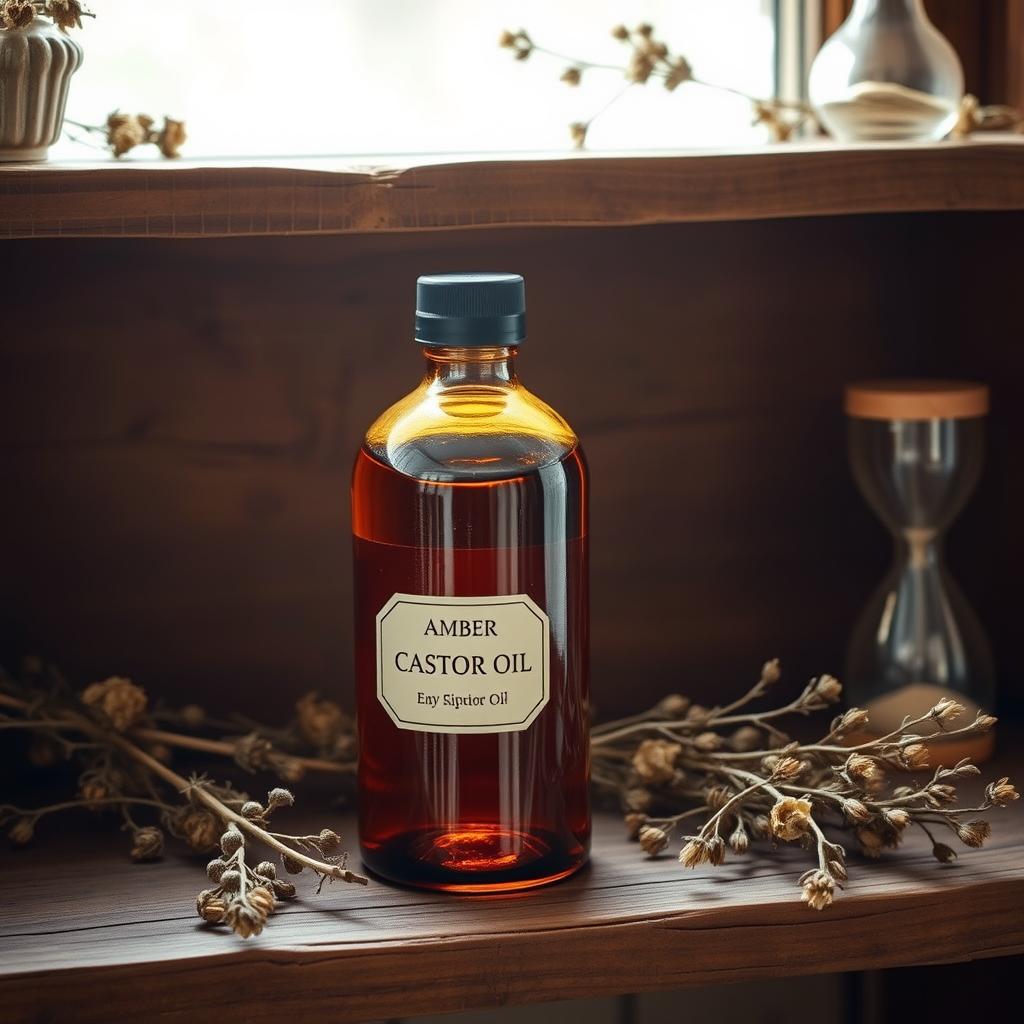
Castor oil can typically remain usable for several years when it is properly processed, sealed, and stored under suitable conditions. The castor oil shelf life depends on factors such as whether the bottle is opened, the production and processing method, packaging, exposure to oxygen and light, and storage temperature. An unopened bottle generally lasts longer than an opened one, but the manufacturer’s printed expiration or best-before date should always be the primary reference.
Once opened, castor oil should be kept tightly sealed and stored in a cool, dry, dark location. Before use, check its smell, appearance, texture, and overall quality. A strong rancid or unusual odor, significant discoloration, unexpected cloudiness, or noticeable changes in consistency can indicate deterioration. The following sections explain how long castor oil lasts, what causes it to expire, how to store it correctly, and how to recognize when it is no longer suitable for use.
How Long Does Castor Oil Last in Storage?
Under appropriate storage conditions, castor oil can have a relatively long storage life because its chemical composition gives it good oxidative stability compared with many other vegetable oils. However, there is no single expiration period that applies to every castor oil product. The actual shelf life is determined by the quality of the raw material, refining or processing method, packaging, storage conditions, and manufacturer’s stability testing.
For commercial castor oil, the product specification or certificate of analysis may provide a defined shelf-life period. Manufacturers may also establish a recommended retest or best-before date based on controlled stability studies. Therefore, a bottle should not be judged solely by how old it is.
Storage conditions are particularly important. Heat, oxygen, direct sunlight, and repeated exposure to air can gradually affect oil quality. A container that is opened frequently may deteriorate faster than a sealed container kept under controlled conditions.
For home use, the best approach is simple: keep castor oil tightly closed, away from heat and direct light, and follow the manufacturer’s stated storage instructions. If the product is being used as an industrial or cosmetic raw material, additional controls such as batch identification, storage temperature monitoring, and periodic quality testing can provide a much more reliable assessment of remaining shelf life.
What Is the Typical Shelf Life of Castor Oil?
The typical castor oil shelf life can extend for several years when the product remains unopened and is stored according to the manufacturer’s specifications. However, the exact period varies between products and should not be assumed without checking the label, technical data sheet, or supplier documentation.
Unlike products with a universal expiration period, castor oil can be supplied in different grades, including refined, cold-pressed, hydrogenated, pharmaceutical, cosmetic, and industrial grades. These products may have different specifications and stability requirements.

Unopened Castor Oil Shelf Life Period
Unopened castor oil generally has its longest expected storage period because the original container protects the oil from repeated exposure to oxygen, moisture, contaminants, and environmental conditions.
Many commercially manufactured castor oils are assigned a shelf life of several years from the production or packaging date, but the exact duration depends on the manufacturer and grade. An unopened product should therefore be evaluated according to its stated expiration or best-before date rather than applying a universal number of years.
Packaging also plays an important role. A properly sealed container with an appropriate barrier against oxygen and light can help preserve the oil’s original characteristics. In contrast, unsuitable packaging or prolonged storage at elevated temperatures can reduce quality before the printed date.
For bulk commercial castor oil, buyers should check the production date, recommended storage conditions, batch information, and supplier’s technical documentation before accepting or using older material.
Opened Castor Oil Shelf Life Period
Once castor oil is opened, its remaining shelf life can be affected by repeated contact with air and environmental contaminants. Every opening introduces fresh oxygen into the headspace of the container, while careless handling can introduce moisture or foreign material.
There is no universally applicable number of months that guarantees opened castor oil will remain usable. Instead, the product should continue to be stored under the manufacturer’s recommended conditions and inspected for changes in quality.
Keeping the original container tightly closed after every use is one of the simplest ways to reduce unnecessary oxidation. It is also preferable to avoid repeatedly transferring the oil between containers unless the replacement packaging is known to be suitable for the product.
For professional applications, the opening date can be recorded on the container. This provides a useful reference when monitoring how long a particular batch has been exposed to normal handling conditions.
Main Factors Affecting Castor Oil Shelf Life
Several factors determine how quickly castor oil changes during storage. The most important include oxygen exposure, temperature, light, packaging, processing method, and handling frequency.
Temperature is especially important because prolonged exposure to excessive heat can accelerate chemical reactions that contribute to deterioration. Light can also promote degradation, particularly when oil is stored in transparent packaging and exposed to strong illumination for long periods.
Oxygen exposure increases when a container is repeatedly opened or when excessive air remains inside a partially filled container. Packaging quality can therefore influence how well the original characteristics of the oil are maintained.
The processing method also matters. Refined castor oil and cold-pressed castor oil can have different compositions and levels of naturally occurring minor components. These differences may influence stability and the appropriate storage conditions.
Ultimately, the manufacturer’s stated shelf life should take priority because it is based on the specifications and stability characteristics of the particular product.
Does Castor Oil Expire Over Time?
Yes, castor oil can deteriorate over time. Although castor oil is relatively stable compared with some other vegetable oils, it is not permanently resistant to chemical changes. During prolonged storage, exposure to oxygen, heat, and light can gradually alter the oil.
When people ask does castor oil expire, it is important to distinguish between a printed expiration or best-before date and visible evidence of deterioration. The date supplied by the manufacturer is the most reliable reference for determining whether the product remains within its intended storage period.
As oil ages, oxidation can lead to changes in odor, color, and other physical or chemical properties. The speed of these changes depends heavily on storage conditions. A bottle stored in a cool, dark environment and kept tightly sealed is likely to maintain its quality better than one repeatedly exposed to heat, sunlight, and air.
For commercial applications, expiration should not be assessed only through visual inspection. If an older batch is important for manufacturing, quality-control testing can provide a more reliable assessment of parameters such as acid value, moisture, color, and other specification requirements.
How to Tell If Castor Oil Has Gone Bad
Determining whether castor oil has deteriorated involves looking for noticeable changes in its normal characteristics. No single visual sign can establish chemical quality with complete certainty, but changes in smell, appearance, texture, or general condition can indicate that further evaluation is necessary.
A product that has passed its manufacturer’s stated shelf life should not automatically be considered suitable simply because it looks normal. Conversely, a product that develops an unusual odor or significant physical change before its printed date should be investigated rather than used without consideration.
Changes in Castor Oil Color
Castor oil naturally has a characteristic appearance that can vary depending on its grade and processing method. Refined castor oil is generally much lighter than less processed forms, while cold-pressed products may naturally have a different color.
A gradual or slight variation in color does not necessarily mean that the oil has become unusable. However, a significant and unexpected change compared with the product’s original appearance can be a warning sign.
When evaluating an older batch, compare it with the manufacturer’s specification or, where possible, an original sample from the same product and grade. Color alone should not be used as the only indicator of expiration because natural variation between grades and production batches can occur.
Changes in Castor Oil Smell
Odor is often one of the most noticeable indicators when an oil has undergone oxidation or deterioration. Fresh castor oil should have the characteristic odor expected for its grade and processing method.
A strong rancid, stale, burnt, or otherwise unusual smell may indicate that the oil’s quality has changed. This is particularly relevant when the odor is clearly different from how the product smelled when it was fresh.
If a stored bottle develops a distinctly unpleasant odor, it is better not to rely on appearance alone. The product should be compared with its specification or evaluated through appropriate quality-control testing when it is intended for professional use.
Changes in Castor Oil Texture
Castor oil is naturally viscous, so its consistency can appear different from that of many common cooking oils. Temperature can also influence viscosity, meaning that a product may become noticeably thicker in a cool environment and more fluid when warmer.
Therefore, a change in thickness by itself does not necessarily indicate expiration. The oil should first be allowed to reach its normal recommended storage or handling temperature before its consistency is assessed.
Unexpected particles, persistent abnormal cloudiness, separation, or other physical changes may deserve further investigation, particularly if they were not present when the product was purchased. For commercial materials, the manufacturer’s specification provides a better reference than appearance alone.
Changes in Overall Castor Oil Quality
Overall quality should be assessed using multiple indicators rather than relying on a single characteristic. A noticeable change in odor combined with abnormal appearance or other physical changes provides stronger evidence that the oil may have deteriorated.
For industrial, cosmetic, pharmaceutical, or other controlled applications, sensory inspection is not sufficient to confirm that an older batch meets specification. Laboratory analysis may be necessary to assess parameters such as acid value, moisture, color, viscosity, and other product-specific requirements.
This distinction is important because an oil can appear acceptable while still failing a technical specification. If consistent product performance is critical, the manufacturer’s documentation and quality-control testing should take precedence over a simple visual inspection.
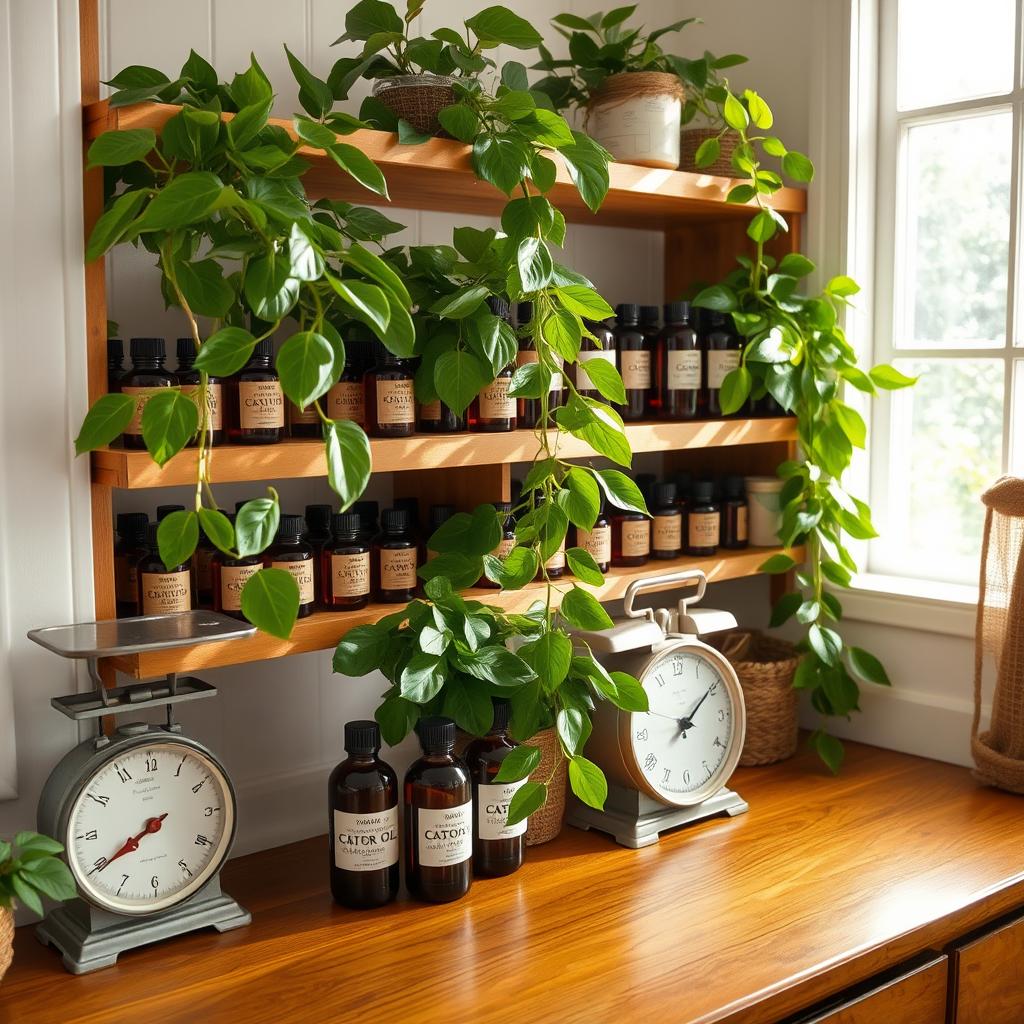
How to Store Castor Oil Properly at Home
Proper storage is one of the most effective ways to preserve castor oil and maximize its intended shelf life. The general principle is to reduce unnecessary exposure to heat, light, air, and moisture.
Keep the original container closed whenever the oil is not being used. Avoid leaving the bottle open while working with it, especially in humid environments. Store it away from radiators, ovens, windows with direct sunlight, and other sources of heat.
The manufacturer’s storage instructions should always take priority because different castor oil products can have different specifications. For professional products, the technical data sheet or certificate of analysis may provide more specific storage requirements than the retail packaging.
Recommended Storage Temperature for Castor Oil
Castor oil should generally be stored in a cool, stable environment according to the manufacturer’s recommended temperature range. Excessive heat should be avoided because elevated temperatures can accelerate chemical deterioration.
At the same time, unnecessary temperature fluctuations are undesirable. Moving a container repeatedly between hot and cold environments can create condensation or otherwise complicate storage conditions.
For home storage, a cool cupboard away from direct sunlight and heat sources is usually more appropriate than a warm area such as a bathroom shelf or location near a kitchen appliance.
For bulk or industrial storage, temperature should be controlled according to the supplier’s specification. Storage records can also be useful when the material must remain within a defined quality standard for manufacturing.
Protecting Castor Oil From Light and Moisture
Light and moisture should be minimized during storage. Direct sunlight can expose the oil to prolonged energy that may contribute to degradation, while moisture can create quality and handling concerns.
A dark or opaque container can provide better protection from light than a completely transparent container, particularly when the oil is stored in an area exposed to illumination.
The cap should always be closed securely after use. Keeping the container away from humid environments and avoiding unnecessary exposure to water also helps maintain product integrity.
These measures are simple but important. Good storage is not about creating a complicated preservation system; it is primarily about maintaining stable conditions and minimizing environmental exposure.
Choosing the Right Castor Oil Container
The container should be compatible with castor oil and suitable for the intended storage period. The original packaging is usually preferable because the manufacturer has selected it for the specific product and distribution conditions.
Containers should provide an effective seal and protect the material from unnecessary exposure to air, light, and contaminants. For larger commercial quantities, packaging specifications can be particularly important because the surface area exposed to air and the frequency of handling can differ significantly from small bottles.
If castor oil is transferred to another container, the replacement should be clean, dry, chemically compatible, and capable of providing an appropriate seal. Unnecessary transfers should be avoided because each transfer creates another opportunity for contamination and air exposure.
How Long Does Castor Oil Last After Opening?
There is no single universal post-opening period that applies to every castor oil product. The appropriate period depends on the manufacturer’s specification, original shelf life, packaging, storage conditions, and how frequently the container is opened.
After opening, the main concern is increased exposure to oxygen and the environment. A bottle opened occasionally and immediately resealed may remain in good condition for considerably longer than one repeatedly left open or stored in a hot, bright location.
For consumers, the safest approach is to record when the container was first opened and continue following the manufacturer’s storage instructions. The product should also be checked for changes in odor, appearance, and consistency before use.
For commercial users, an opened container should be managed according to internal quality procedures. If the material is used in a formulation where consistent performance is essential, the batch should remain within the supplier’s defined specifications rather than being judged solely by the time elapsed since opening.
Can You Safely Use Expired Castor Oil?
Using castor oil after its stated expiration or best-before date should not be decided solely by appearance. The manufacturer’s date indicates the period for which the product is expected to meet its specified quality when stored under the stated conditions.
Once that period has passed, the manufacturer may no longer guarantee that the material meets all original specifications. This is particularly important for pharmaceutical, cosmetic manufacturing, food-related, or industrial applications where raw-material quality can directly affect the finished product.
If an old bottle has an unusual rancid odor, significant color change, unexpected physical changes, or other signs of deterioration, it should not be treated as normal-quality oil.
For professional applications, expired material may sometimes be assessed through laboratory testing if the relevant quality system permits such evaluation. Parameters can be compared against the product specification to determine whether the batch still meets the required standards.
Therefore, when the intended application is sensitive or regulated, relying on the expiration date and appropriate quality documentation is more reliable than attempting to determine safety through appearance alone.
Does Cold-Pressed Castor Oil Expire Faster?
Cold-pressed castor oil can also expire or deteriorate over time, and its shelf life should be determined according to the manufacturer’s specifications. The term “cold-pressed” describes a production method; it does not mean that the oil is immune to oxidation or other forms of deterioration.
Because processing can influence the composition of an oil and the amount of naturally occurring minor components retained in the finished product, cold-pressed castor oil may have different storage characteristics from highly refined castor oil.
The best way to compare the two is to examine the specific product’s technical documentation rather than assuming that one category always expires faster.
Regardless of processing method, good storage practices remain important. Keeping cold-pressed castor oil tightly sealed, protected from direct light, and away from excessive heat can help preserve its intended quality throughout its stated shelf life.
For commercial buyers, the supplier’s product specification, production date, recommended storage conditions, and certificate of analysis are more useful than a generalized assumption about how long cold-pressed castor oil should last.
Tips for Extending Castor Oil’s Lifespan
To get the most out of your castor oil, it’s key to know how to extend its shelf life. Always check the best before date castor oil. But, there are other things to think about when wondering how long does castor oil last. How you handle and store it can really make a difference. Here are some tips to help your castor oil last longer:
- Keep the oil in a cool, dark spot
- Use a clean, dry container
- Keep it away from air and light
By following these tips, you can make your castor oil last longer. Always check the best before date castor oil. Use it before it expires to enjoy its benefits fully. With the right care and storage, you can use castor oil for a longer time. Knowing how long does castor oil last helps you plan better. This way, you can make the most of its uses.
Handling Practices
When you handle castor oil, use clean, dry tools. This stops bacteria and other bad stuff from growing. It keeps the oil’s quality and shelf life good.
Environmental Controls
Things like temperature and humidity can affect castor oil’s shelf life. Storing it in a cool, dry spot slows down oxidation. This helps it last longer.
| Storage Conditions | Shelf Life |
|---|---|
| Cool, dark place | Up to 2 years |
| Room temperature | Up to 1 year |

Understanding Best-Before Dates on Castor Oil Products
When you store castor oil, knowing the best-before dates is key. This info helps you decide if you should use or toss the oil. It ensures you get the best from your castor oil. The best-before date isn’t an expiration date. It’s a promise of the product’s quality. Castor oil can last a long time if stored right. The best-before date tells you when it’s best to use it.
Manufacturing Dates
Look for the manufacturing date on the label. It tells you how old the product is. Checking this date helps you use the oil when it’s at its best.
Expiry Date Interpretation
Understanding the expiry date on castor oil is important. It shows the last date the oil is at its best quality. Even after this date, the oil might still be safe. But, its quality could drop. Storing it right can make it last longer. To keep castor oil fresh, store it in a cool, dark spot. Keep it away from sunlight and heat. By storing it correctly and knowing the best-before dates, you can enjoy castor oil for longer.
| Storage Conditions | Castor Oil Shelf Life |
|---|---|
| Cool, dark place | Up to 5 years |
| Room temperature | Up to 2 years |
| Direct sunlight | Up to 1 year |
What Factors Affect Castor Oil Shelf Life?
The castor oil shelf life is determined by a combination of the oil’s characteristics and the conditions under which it is produced, packaged, transported, and stored. Understanding these variables helps explain why two castor oil products with similar production dates may not necessarily have identical storage requirements.
Castor Oil Processing and Production Method
Processing can influence the stability, appearance, and characteristics of castor oil. Different grades may undergo different levels of refining, filtration, purification, or other processing steps.
Castor oil is also used as a bio-based polyol in certain polyurethane formulations. Its hydroxyl groups can react with isocyanate components to form polyurethane systems, including formulations based on HDI polyisocyanates.
Cold-pressed and refined castor oils, for example, should not automatically be assumed to have identical shelf lives. Processing affects the composition of the final product and can influence its behavior during storage.
The raw material and manufacturing controls are also relevant. Proper production practices help ensure that the finished oil meets the required specification from the beginning of its storage period.
For this reason, the product’s stated shelf life should always be taken from the manufacturer or supplier. General information about castor oil can explain the factors involved, but it cannot replace product-specific stability data.
Packaging and Castor Oil Container Type
Packaging acts as a protective barrier between the oil and its surrounding environment. A properly sealed container can reduce unnecessary exposure to oxygen, moisture, light, and contaminants.
Container size also matters operationally. A large container that is repeatedly opened over a long period may experience different exposure conditions from a smaller container that is consumed relatively quickly.
For commercial applications, packaging should therefore be selected based on the intended storage and handling conditions. Material compatibility, seal quality, light protection, and transport requirements should all be considered.
Keeping castor oil in its original, properly sealed packaging is generally preferable unless there is a specific technical reason for transferring it.
Proper Castor Oil Storage Conditions
Storage conditions can have a direct effect on how well castor oil maintains its original properties. Cool, stable temperatures, limited light exposure, and good container closure all contribute to better preservation.
The oil should also be protected from contamination. Containers should remain closed except when material is being dispensed, and handling equipment should be clean and dry.
For industrial quantities, appropriate warehouse practices are especially important. Stock should be identified by batch, stored according to supplier requirements, and monitored using a suitable inventory-control system.
Applying these practices helps ensure that the oil remains within its intended quality range for as much of its stated shelf life as possible.
Exposure to Air, Heat, and Light
Air, heat, and light are among the most important environmental factors affecting oil stability. Oxygen can participate in oxidation reactions, while elevated temperatures can accelerate chemical reactions that contribute to deterioration.
Repeated opening increases contact with air, particularly when a container becomes partially empty. Direct light can also contribute to degradation, making dark storage preferable.
These factors often work together. For example, a bottle repeatedly opened and stored in a hot, sunny location may experience more demanding conditions than one kept sealed in a cool, dark cupboard.
The practical solution is straightforward: minimize unnecessary exposure and follow the manufacturer’s recommended storage conditions. This helps preserve the oil’s original characteristics and supports the maximum intended castor oil shelf life.
Conclusion
The castor oil shelf life depends on more than the age of the product. Processing method, packaging, oxygen exposure, temperature, light, moisture, and handling practices can all influence how long castor oil maintains its intended quality. Although castor oil can remain stable for several years under suitable conditions, there is no universal expiration period that applies to every product.
The manufacturer’s expiration or best-before date should be the primary reference. After opening, keep the container tightly sealed and store it in a cool, dry, dark location. Before using an older product, check for meaningful changes in odor, appearance, texture, or overall quality. For industrial, cosmetic, pharmaceutical, or other specification-sensitive applications, laboratory testing and supplier documentation provide a more reliable assessment than visual inspection alone.
If you are sourcing castor oil for manufacturing or commercial use, reviewing the supplier’s technical specifications, storage requirements, production date, and quality documentation is an important step before purchasing or using an older batch.
Frequently Asked Questions
- Does castor oil expire?
Yes. Castor oil can deteriorate over time, particularly when exposed to oxygen, excessive heat, or light. The manufacturer’s expiration or best-before date should be used as the primary reference for its intended shelf life. - How long does castor oil last after opening?
There is no universal post-opening period for every product. Its usable period depends on the manufacturer’s specification, storage conditions, packaging, and frequency of exposure to air. Always keep the container tightly closed after use. - What is the best way to store castor oil?
Store castor oil in a cool, dry, dark location away from direct sunlight and excessive heat. Keep it in a suitable, tightly sealed container and avoid unnecessary exposure to air and moisture. - How can you tell if castor oil has gone bad?
An unusual rancid odor, significant unexpected discoloration, abnormal physical changes, or other noticeable changes from the product’s normal characteristics can indicate deterioration. For professional applications, laboratory testing is more reliable than visual inspection alone. - Does cold-pressed castor oil expire?
Yes. Cold-pressed castor oil can deteriorate over time. Its specific shelf life depends on the product and manufacturer, so the stated expiration date and storage instructions should be followed rather than assuming a universal shelf-life period. - Can expired castor oil still be used?
It should not automatically be considered suitable after its stated expiration or best-before date. For professional applications, the material should only be accepted after appropriate quality evaluation and according to the applicable quality-control procedures.